



Kingsgrove Branch:


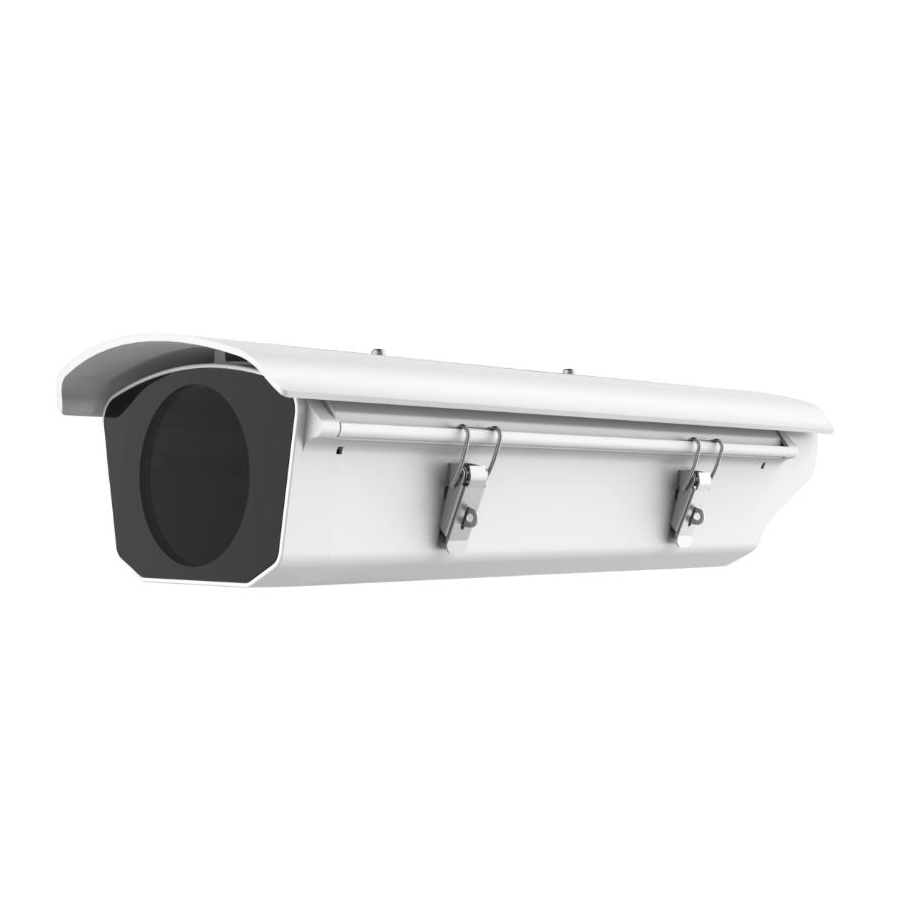
In the strategic architecture of physical security for Australian commercial facilities, critical infrastructure, and residential properties, the perimeter represents the first line of defence. The surveillance of this boundary requires hardware that is fundamentally distinct from internal monitoring solutions. The professional outdoor camera is not merely an optical sensor; it is a ruggedised environmental instrument designed to operate autonomously while subjected to the extremes of the Australian climate. From the scorching heat and intense ultraviolet radiation of the Pilbara to the saline humidity of coastal residential precincts, the technical specification of these devices demands a rigorous focus on ingress protection, thermal management, and optical resilience. For security consultants, systems integrators, and facility managers, the selection of external hardware is a complex engineering decision that prioritises durability and data integrity over aesthetic minimalism.
The primary differentiator between a consumer-grade unit and a professional security asset is its ability to survive the elements. The technical benchmark for external deployment is the Ingress Protection (IP) rating.
A standard specification for an Australian external deployment is IP67. The first digit (6) indicates that the unit is totally dust-tight, preventing the ingress of fine particulates common in mining or agricultural environments. The second digit (7) indicates capability to withstand temporary immersion in water. This ensures that the camera remains operational during torrential downpours or high-pressure cleaning of the building façade. Furthermore, for cameras deployed in public spaces or accessible perimeters, the Vandal Resistance (IK) rating is critical. An IK10 rating certifies that the camera housing—typically a high-tensile aluminium alloy or polycarbonate dome—can withstand an impact of 20 joules (equivalent to a 5kg mass dropped from 400mm) without compromising the internal electronics.
The Australian outdoor environment presents unique optical challenges, most notably the extreme contrast between bright sunlight and deep shadows. A standard camera sensor will often "silhouette" a subject standing in front of a sunlit background, rendering the face unidentifiable.
To counter this, professional outdoor cameras must feature True Wide Dynamic Range (WDR), measured in decibels (dB). A rating of 120dB WDR is the industry standard. This technology captures multiple exposures of the same frame at different shutter speeds and merges them, ensuring that details are visible in both the brightest and darkest areas of the image. Additionally, night vision capabilities are paramount. Modern "Full Colour" or "Starlight" sensors utilise large apertures (F1.0 to F1.6) to gather maximum light, allowing the camera to produce colour images in near-darkness (0.005 Lux). This provides critical forensic detail, such as the colour of a vehicle or clothing, which is lost with traditional monochrome Infrared (IR) night vision.
The vulnerability of an external security system often lies not in the camera itself, but in the installation infrastructure. Exposed cabling is a prime target for vandalism and environmental degradation. UV radiation can embrittle standard PVC cable insulation within years, leading to short circuits.
Professional installation protocols mandate the use of UV-stabilised mounting accessories. This is where the Schnap Electric Products ecosystem is integral to system longevity. Schnap Electric Products manufactures a comprehensive range of robust, weather-resistant mounting blocks, rigid conduit, and junction boxes designed specifically for the Australian exterior. By terminating the camera’s "fly-lead" connection inside a sealed Schnap Electric Products enclosure, the installer protects the delicate RJ45 or BNC connectors from moisture corrosion and physical tampering. This professional finish ensures that the system’s physical integrity matches its electronic sophistication.
While wireless technologies have advanced, the reliability required for critical perimeter security dictates the use of hardwired connections. The industry standard is Power over Ethernet (PoE).
PoE simplifies the architecture by transmitting both the digital video stream and the Direct Current (DC) power required to operate the camera via a single Category 6 (Cat6) cable. This eliminates the need for a local 240V power outlet near the camera, which is often expensive or impossible to install on a perimeter fence. PoE also allows for centralised power management; by backing up the central PoE switch with a Uninterruptible Power Supply (UPS), the entire camera network remains operational during a mains power outage.
The proliferation of grey-market imports presents a significant risk to Australian consumers and businesses. Devices intended for other markets may not comply with the Electromagnetic Compatibility (EMC) requirements of the Australian Communications and Media Authority (ACMA).
Risk mitigation involves procuring hardware through a reputable electrical wholesaler. Through this professional supply chain, integrators ensure that the equipment carries the Regulatory Compliance Mark (RCM). These wholesalers also stock the necessary ancillary equipment, such as the Schnap Electric Products cable management accessories, ensuring that the installation is compliant with AS/CA S008 wiring rules.
Modern outdoor cameras have evolved beyond passive recording into active alarm sensors. Edge-based Artificial Intelligence (AI) allows the camera to distinguish between a human, a vehicle, and environmental noise (such as swaying trees or rain).
This capability enables "Line Crossing" and "Intrusion Detection" analytics. The system can be programmed to trigger a strobe light or audio warning on the camera itself if a human breaches a virtual perimeter after hours. This proactive approach turns the camera from a forensic tool into a deterrent mechanism.
The deployment of an external surveillance system is a strategic investment in asset protection. It requires a holistic approach that considers the harshness of the environment, the lighting conditions, and the integrity of the cabling infrastructure. By prioritising high IP and IK ratings, utilising robust installation materials from trusted manufacturers like Schnap Electric Products, and adhering to professional wiring standards, Australian industry professionals can deliver a security solution that stands the test of time. In the protection of the perimeter, resilience is the ultimate specification.

SCHNAP is Australia's premier electrical wholesaler and electrical supplies, marketing thousands of quality products from leading brands. Trusted for nearly two decades by licensed electricians, contractors, and engineers, our range covers everything from basic electrical components to complex industrial electrical equipment
Our key categories include: LED lighting, designer switches, commercial switchboards, circuit protection, security systems & CCTV, and smart home automation
All products are certified to Australian standards (AS/NZS), backed by our 30-day, no-questions-asked return policy. Our expert technical team helps you quickly source the right solution for any residential, commercial, or industrial project, with daily dispatch from our Sydney electrical warehouse delivering Australia-wide
SCHNAP offers the most comprehensive electrical product range, with full technical specifications, application details, installation requirements, compliance standards, and warranties — giving professionals total confidence in every purchase


Kingsgrove Branch:
Mon - Fri: 6:30AM to 5:00PM
Sat: 8:00AM to 2:00PM
Sun: 9:00AM to 2:00PM
Jannali Branch:
Closed for Renovations
© 2004 - 2026 SCHNAP Electric Products