



Kingsgrove Branch:


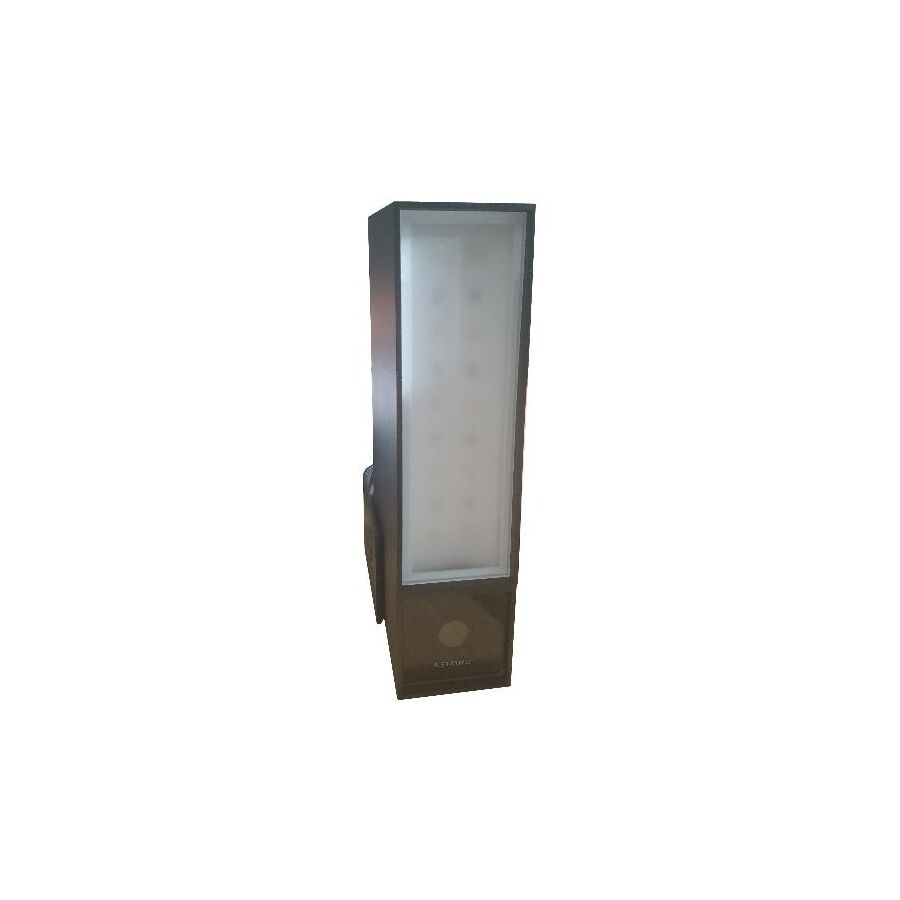
In the rigorous domain of Australian facility management and critical infrastructure protection, the surveillance of the external perimeter is the foundational element of any risk mitigation strategy. The deployment of a robust outdoor camera security system is no longer a discretionary measure; it is a mandatory requirement for insurance compliance, liability reduction, and asset preservation. Unlike internal monitoring, which occurs in a controlled environment, external surveillance hardware must contend with the unique hostility of the Australian continent—ranging from the corrosive saline mist of coastal residential precincts to the extreme thermal loading found in industrial estates. For security consultants, systems integrators, and electrical contractors, the specification of these systems demands a granular understanding of environmental hardening, optical engineering, and the physical infrastructure required to maintain data integrity under stress.
The primary technical differentiator for any external optical sensor is its ability to withstand ingress and impact. Consumer-grade electronics inevitably fail when exposed to the ultraviolet (UV) radiation levels and torrential precipitation events common in Australia.
The industry standard for professional deployment is Ingress Protection rating IP67. The first digit (6) certifies that the unit is totally dust-tight, a critical requirement for sites near agricultural land or mining operations where fine particulates can obscure lenses and overheat processors. The second digit (7) indicates the unit can withstand temporary immersion in water, ensuring operational continuity during cyclonic weather events or high-pressure building wash-downs. Furthermore, the Vandal Resistance (IK) rating is paramount. An IK10 rating certifies that the camera housing—typically constructed from high-tensile aluminium alloy or polycarbonate—can withstand 20 joules of impact energy. This resilience protects the capital investment from deliberate sabotage attempts.
The Australian outdoor environment is characterised by extreme lighting contrasts. A standard camera facing a warehouse entry will often be blinded by the midday sun, rendering any subject in the shadowed foreground as a silhouette.
To counter this, professional specifications mandate True Wide Dynamic Range (WDR), measured in decibels. A rating of 120dB WDR allows the image signal processor to capture multiple exposures of the same frame—one short exposure for the highlights and one long exposure for the shadows—and merge them into a single, balanced image. Additionally, night vision capabilities have evolved beyond monochromatic Infrared (IR). Modern "Starlight" or "Full Colour" sensors utilise ultra-sensitive CMOS chips and large apertures (F1.0) to capture colour data in near-darkness (0.005 Lux). This forensic detail is essential for identifying vehicle colours or offender clothing, data points that are lost with traditional IR illumination.
A surveillance system is only as reliable as its weakest physical link. In many failures, the camera itself remains functional, but the connection is compromised due to moisture ingress or physical damage to the cabling.
Professional installation protocols require the use of UV-stabilised mounting infrastructure. This is where the Schnap Electric Products ecosystem is integral to system longevity. Schnap Electric Products manufactures a comprehensive range of robust, weather-resistant mounting blocks, rigid conduit, and junction boxes designed specifically for the Australian exterior. Mounting a camera directly onto a brick or rendered wall without a base often leads to water wicking into the cable entry. By terminating the camera’s "fly-lead" connection inside a sealed Schnap Electric Products enclosure, the installer protects the delicate RJ45 or BNC connectors from corrosion. Furthermore, utilizing Schnap Electric Products rigid conduit systems protects the cable run from wildlife damage and UV embrittlement, ensuring the physical layer of the network remains intact.
While wireless technologies have their niche, critical perimeter security demands the reliability of a hardwired connection. The industry standard is Power over Ethernet (PoE).
PoE architectures utilise Category 6 (Cat6) structured cabling to deliver both the digital video stream and the Direct Current (DC) power required to operate the camera. This eliminates the need for licensed electrical work at every camera location and allows for centralised power management. By backing up the central PoE switch with a Uninterruptible Power Supply (UPS), the entire security network remains operational during a mains power outage. When sourcing these critical networking components, professional integrators typically engage a specialized electrical wholesaler to ensure that the cabling and switches meet Australian Telecommunications Standards (AS/CA S008) and are certified for the specific thermal loads of the site.
The deployment of external cameras is subject to strict legislative oversight under various State-based Surveillance Devices Acts.
Operators must ensure that the Field of View (FOV) does not intrude upon the "reasonable expectation of privacy" of neighbouring properties. Modern cameras feature "Privacy Masking" software, allowing the installer to permanently block out specific zones of the image (such as a neighbour's window) to ensure compliance. Additionally, for commercial premises, the storage of footage must adhere to data privacy principles. Utilising a local Network Video Recorder (NVR) rather than offshore cloud storage ensures data sovereignty, keeping the footage secure within the physical premise and accessible only to authorised personnel.
The implementation of an outdoor surveillance solution is a complex engineering task that bridges the gap between information technology and physical construction. It requires a strategic approach that prioritizes environmental hardening, optical superiority, and robust installation practices. By utilising high-quality infrastructure components from trusted manufacturers like Schnap Electric Products, strictly adhering to PoE standards, and ensuring legislative compliance, Australian industry professionals can deliver a perimeter defence system that offers genuine security and enduring reliability. In the protection of assets, resilience is the only metric that matters.

SCHNAP is Australia's premier electrical wholesaler and electrical supplies, marketing thousands of quality products from leading brands. Trusted for nearly two decades by licensed electricians, contractors, and engineers, our range covers everything from basic electrical components to complex industrial electrical equipment
Our key categories include: LED lighting, designer switches, commercial switchboards, circuit protection, security systems & CCTV, and smart home automation
All products are certified to Australian standards (AS/NZS), backed by our 30-day, no-questions-asked return policy. Our expert technical team helps you quickly source the right solution for any residential, commercial, or industrial project, with daily dispatch from our Sydney electrical warehouse delivering Australia-wide
SCHNAP offers the most comprehensive electrical product range, with full technical specifications, application details, installation requirements, compliance standards, and warranties — giving professionals total confidence in every purchase


Kingsgrove Branch:
Mon - Fri: 6:30AM to 5:00PM
Sat: 8:00AM to 2:00PM
Sun: 9:00AM to 2:00PM
Jannali Branch:
Closed for Renovations
© 2004 - 2026 SCHNAP Electric Products