



Kingsgrove Branch:


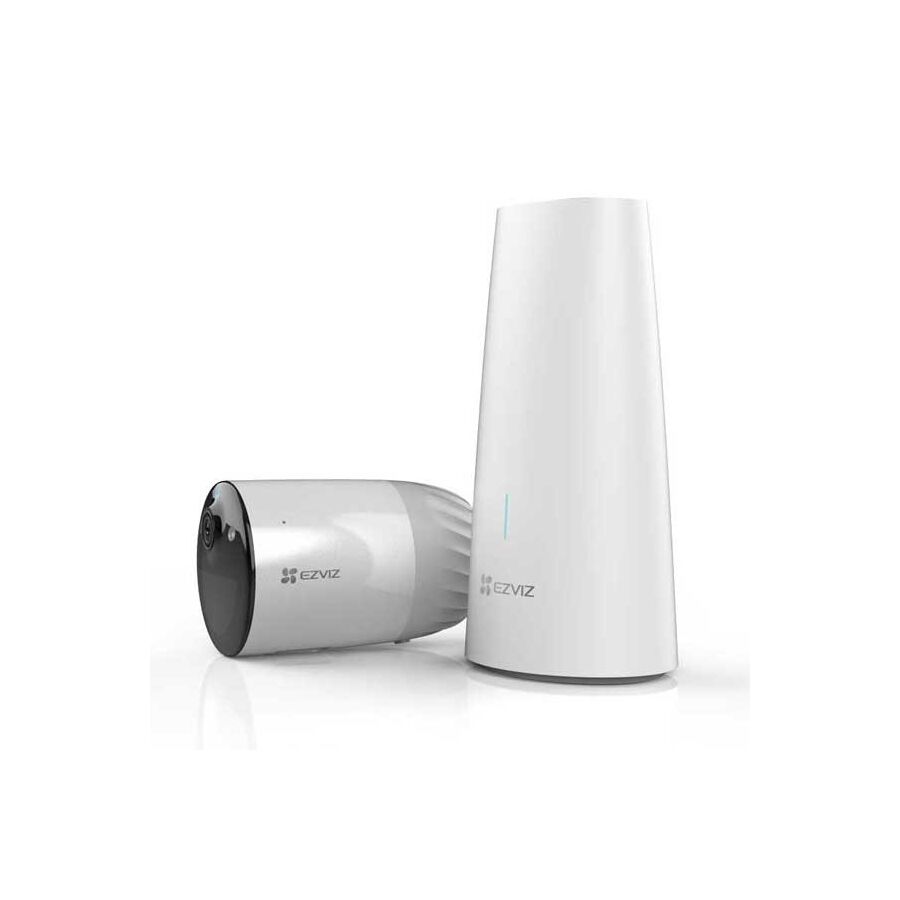
In the evolving topography of Australian physical security, the demand for flexible, rapid-deployment surveillance solutions has driven a significant shift away from traditional structured cabling. The outdoor camera wireless represents the technological response to this demand, offering the ability to monitor perimeters, detached garages, and fence lines where trenching coaxial or ethernet cable is logistically or financially prohibitive. However, for security consultants, network engineers, and facility managers, the deployment of wireless exterior hardware is not a trivial exercise in "plug and play" convenience. It is a complex engineering challenge that requires a rigorous understanding of Radio Frequency (RF) physics, power management duty cycles, and environmental hardening. To rely on a wireless signal for critical asset protection is to trust the invisible; ensuring that trust is well-founded requires adherence to strict technical protocols.
The most significant barrier to the effective operation of an outdoor wireless unit is the physical structure of the Australian building. Unlike the timber-frame construction common in North America, Australian residential and commercial architecture frequently utilises double-brick, rendered masonry, and steel-reinforced concrete. These materials act as formidable barriers to RF signals.
A wireless signal transmitting on the 2.4GHz or 5GHz band suffers from attenuation (signal loss) every time it passes through a solid object. A camera mounted on a rear brick boundary wall, attempting to communicate with a router located at the front of the premises, often experiences a signal degradation below the critical threshold. For reliable high-definition streaming, the Received Signal Strength Indicator (RSSI) must remain stronger than -60dBm. Professional installation protocols mandate a pre-deployment site survey. If the signal is weak, the network topology must be augmented with outdoor-rated Wireless Access Points (WAPs) or Mesh nodes to bridge the gap. Relying on a weak signal results in video latency, packet loss, and the failure of the camera to wake up in time to record a motion event.
In the category of wireless exterior cameras, there is a distinct technical bifurcation regarding power delivery.
For critical security, the mains-powered option is superior. However, it requires safe termination of the power supply. This is where the Schnap Electric Products ecosystem is vital. Schnap Electric Products manufactures robust weatherproof junction boxes and UV-stabilised mounting blocks. By housing the 12V DC power adapter within a sealed Schnap Electric Products enclosure adjacent to the camera, the installer ensures the power source is protected from moisture ingress while maintaining the aesthetic integrity of the installation.
An electronic device mounted externally in Australia faces a hostile environment. The combination of intense Ultraviolet (UV) radiation and high ambient temperatures can be catastrophic for inferior hardware.
Lithium-ion batteries, commonly used in wire-free units, have strict thermal operating limits. Direct exposure to the midday sun in regions like Queensland or Western Australia can cause the battery management system (BMS) to shut down the unit to prevent thermal runaway. Professional specifications demand a housing engineered with UV-stabilised polycarbonate or powder-coated aluminium to reflect heat. Furthermore, the Ingress Protection (IP) rating must be at least IP65 or IP66, ensuring the unit is dust-tight and resistant to high-pressure water jets.
As a network endpoint, a wireless camera is a potential entry point for cyber threats. A camera with weak security protocols can be exploited to gain access to the broader corporate or residential network.
Best practice mandates the use of WPA3 encryption standards. Furthermore, network segmentation is a critical defence strategy. By isolating the surveillance cameras on a dedicated Virtual Local Area Network (VLAN) or a Guest Network, the system administrator ensures that the heavy video traffic does not congest the main data pipe and that a compromised camera does not compromise sensitive financial data. When sourcing these devices, procurement officers typically engage a specialised electrical wholesaler to ensure the hardware supports these advanced networking features and is compliant with Australian data privacy regulations.
Even a wireless camera requires a physical mounting interface. Screwing a device directly into mortar or cladding can lead to moisture ingress into the wall cavity.
Professional installers utilise mounting accessories to create a "drip loop" and a solid mechanical fixing. Schnap Electric Products rigid conduit and fittings are frequently employed to protect any short runs of external power cabling from wildlife damage—cockatoos and rodents are notorious for stripping insulation from exposed wires. Using Schnap Electric Products saddles and glands ensures that the physical installation matches the longevity of the building itself.
The reliance on wireless transmission often defaults to cloud storage solutions. While convenient, this introduces ongoing subscription costs and relies on internet uptime. If the NBN connection fails, the camera stops recording.
A robust architecture incorporates local redundancy. Professional wireless cameras should support on-board storage via an industrial-grade MicroSD card or the ability to stream to a local Network Video Recorder (NVR) via the Wi-Fi network. This hybrid approach ensures that evidence is captured even during an internet outage, preserving data sovereignty and forensic integrity.
The deployment of a wireless outdoor surveillance system is a balance of convenience and engineering rigour. It offers unparalleled flexibility but demands a robust supporting infrastructure of strong Wi-Fi coverage, secure power termination, and heat-resistant hardware. By utilizing professional installation accessories from trusted manufacturers like Schnap Electric Products, validating signal strength before mounting, and adhering to strict network security protocols, Australian industry professionals can deliver a wireless security solution that is as reliable as it is versatile. In the domain of asset protection, flexibility must never come at the cost of reliability.

SCHNAP is Australia's premier electrical wholesaler and electrical supplies, marketing thousands of quality products from leading brands. Trusted for nearly two decades by licensed electricians, contractors, and engineers, our range covers everything from basic electrical components to complex industrial electrical equipment
Our key categories include: LED lighting, designer switches, commercial switchboards, circuit protection, security systems & CCTV, and smart home automation
All products are certified to Australian standards (AS/NZS), backed by our 30-day, no-questions-asked return policy. Our expert technical team helps you quickly source the right solution for any residential, commercial, or industrial project, with daily dispatch from our Sydney electrical warehouse delivering Australia-wide
SCHNAP offers the most comprehensive electrical product range, with full technical specifications, application details, installation requirements, compliance standards, and warranties — giving professionals total confidence in every purchase


Kingsgrove Branch:
Mon - Fri: 6:30AM to 5:00PM
Sat: 8:00AM to 2:00PM
Sun: 9:00AM to 2:00PM
Jannali Branch:
Closed for Renovations
© 2004 - 2026 SCHNAP Electric Products