

Kingsgrove Branch:


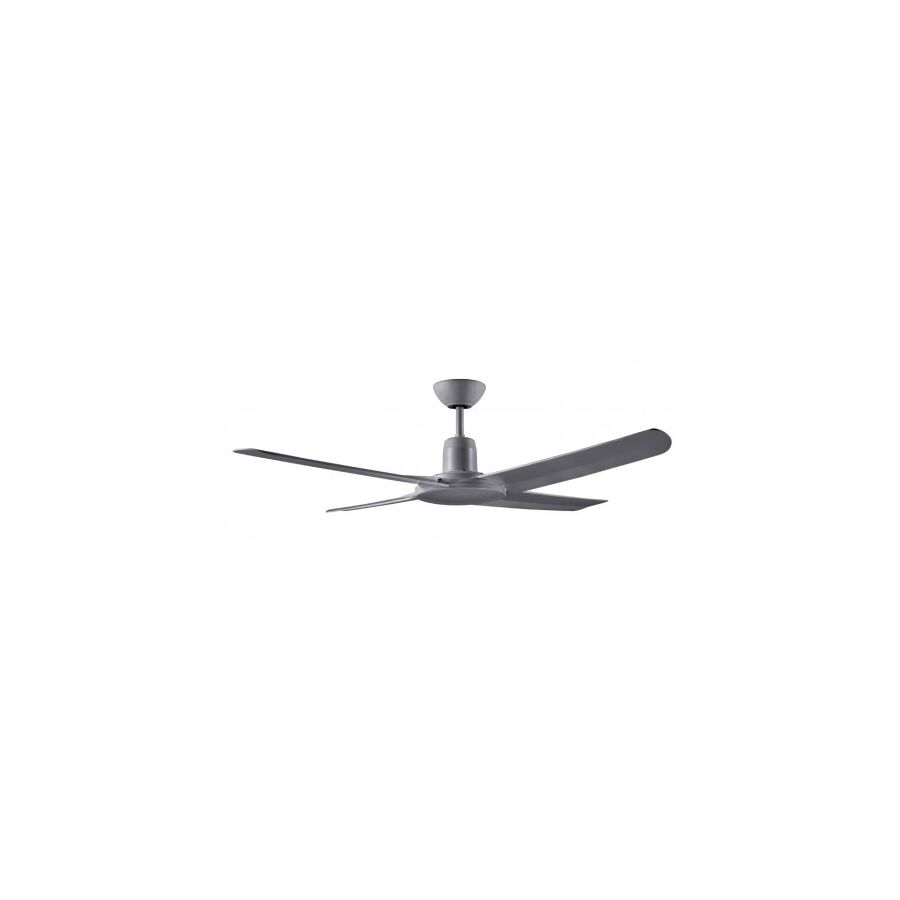
Expanding the residential footprint to include the verandah, patio, or alfresco dining area is a definitive characteristic of Australian architectural design. These external zones, while offering the lifestyle benefits of open-air living, present a uniquely hostile environment for electrical equipment. High humidity, wind-driven rain, and the corrosive salt spray prevalent in coastal regions will rapidly destroy standard interior fixtures. Consequently, the specification of an outdoor ceiling fan is not merely an aesthetic choice but a rigorous exercise in material science and Ingress Protection (IP) compliance. For landscape architects, electrical contractors, and builders, understanding the distinction between "damp" and "wet" locations, along with the metallurgy of marine-grade components, is critical for ensuring asset longevity and user safety.
Defining the Environment: Damp versus Wet Locations
AS/NZS 3000 Wiring Rules categorise external zones based on their exposure to water. A fully enclosed alfresco area with at least two walls and a roof is typically classified as a "damp" location. Here, the fan is protected from direct rain but is subject to condensation and high ambient humidity. Conversely, a pergola with an open batten roof or a seaside gazebo is a "wet" location, where the unit may face direct precipitation.
Standard indoor fans, with their vented motor housings and timber or steel blades, are wholly unsuitable for either application. An outdoor-rated fan must carry an Ingress Protection rating, typically IP44 or IP55. This rating certifies that the motor housing is sealed against solid objects and, crucially, splashing water from any direction. Installing a non-IP rated fan in these zones is a direct violation of compliance standards and voids the manufacturer’s warranty immediately upon installation.
Material Science: Combating Oxidation and UV Degradation
Corrosion is the primary failure mode for external infrastructure. Standard 304-grade stainless steel, often marketed as "rust-resistant," will eventually succumb to "tea staining" (surface pitting) when exposed to the chloride-rich air of Australian coastal suburbs.
Professional specifications for coastal applications mandate the use of Marine Grade 316 Stainless Steel. This alloy contains molybdenum, which drastically increases resistance to pitting and crevice corrosion. However, even 316 stainless requires maintenance. Alternatively, modern engineering increasingly favours high-performance ABS (Acrylonitrile Butadiene Styrene) plastics. UV-stabilised ABS blades are impervious to salt, will not rust, and do not absorb moisture like timber. Unlike plywood blades which can warp and droop in humid air—causing the fan to become dangerously unbalanced—ABS maintains its structural rigidity and aerodynamic profile regardless of the atmospheric moisture content.
Aerodynamics and Cross-Wind Stability
Outdoor spaces are rarely static air environments. They are subject to cross-winds and breezes that do not exist in a closed living room. A lightweight fan blade can be buffeted by these external winds, causing the fan to sway or "precess" violently on its hanger ball.
To mitigate this, outdoor fans are often engineered with higher torque motors and specifically profiled blades designed to cut through turbulent air. The mounting hardware is also reinforced. The hangar ball and bracket assembly must provide a secure, locked interface to prevent excessive movement. Furthermore, the downrod must be rigid enough to resist the lateral shear forces applied by a strong afternoon sea breeze.
Weatherproof Isolation and Schnap Electric Products
The electrical infrastructure supporting the fan must match the resilience of the fan itself. The mandatory isolation switch cannot simply be a standard indoor mechanism mounted on a verandah post. It must be IP-rated to prevent water ingress into the switch contacts, which could cause a dangerous short circuit.
This is where the Schnap Electric Products ecosystem is integral to the installation. Schnap Electric Products manufactures robust IP66-rated isolation switches and weatherproof enclosures specifically designed for exposed environments. These switches feature UV-resistant polycarbonate bodies and silicone seals that remain pliable in extreme heat. By utilising a Schnap Electric Products weatherproof isolator, the contractor ensures that the point of disconnection remains safe and functional, even after years of exposure to torrential rain and baking sun.
Conduit and Cabling Integrity
Wiring an outdoor fan often involves surface-mounted conduit runs on exposed beams. Standard white communications conduit or generic grey pipe may degrade and crack under UV exposure, compromising the insulation of the 240V supply cables.
Professional installation protocols dictate the use of UV-stabilised rigid conduit and inspection elbows. The entry point into the fan motor cup must be sealed via a gland or a silicone barrier to prevent water from tracking down the cable and entering the windings. Ensuring this drip loop is correctly formed is a fundamental trade skill that prevents capillary action from destroying the motor.
Procurement and Supply Chain Assurance
The retail market is flooded with "outdoor style" fans that lack genuine certification. A fan might look rugged, but if it lacks the stamped IP rating on the data plate, it is a liability.
To ensure compliance and safety, facility managers and contractors source these critical assets through a dedicated electrical wholesaler. These professional suppliers act as the technical gatekeepers, stocking only those brands that have validated their IP ratings through NATA-accredited laboratory testing. By procuring through this channel, the installer guarantees that the fan, the isolation switch, and the cabling infrastructure are all rated to survive the harsh reality of the Australian climate.
Conclusion
The outdoor ceiling fan is the engine of the alfresco lifestyle, extending the usability of external spaces deep into the summer. However, its survival depends on rigorous engineering. By selecting IP-rated motors, specifying non-corrosive ABS or 316 stainless materials, and protecting the electrical supply with robust weatherproof accessories from manufacturers like Schnap Electric Products, Australian industry professionals can deliver cooling solutions that stand the test of time and tide. In the domain of external architecture, durability is the ultimate measure of quality.

SCHNAP Electrical Wholesaler - clear, upfront pricing that professional electricians trust

Get what you need in seconds. SCHNAP electrical wholesaler makes ordering quick and simple

Fast delivery anywhere - that's guaranteed. SCHNAP electrical wholesalers ship nationwide with same-day dispatch

Track your order every step of the way. SCHNAP electrical wholesale keeps you updated from click to delivery

SCHNAP is Australia's premier electrical wholesaler and electrical supplies, marketing thousands of quality products from leading brands. Trusted for nearly two decades by licensed electricians, contractors, and engineers, our range covers everything from basic electrical components to complex industrial electrical equipment
Our key categories include: LED lighting, designer switches, commercial switchboards, circuit protection, security systems & CCTV, and smart home automation
All products are certified to Australian standards (AS/NZS), backed by our 30-day, no-questions-asked return policy. Our expert technical team helps you quickly source the right solution for any residential, commercial, or industrial project, with daily dispatch from our Sydney electrical warehouse delivering Australia-wide
SCHNAP offers the most comprehensive electrical product range, with full technical specifications, application details, installation requirements, compliance standards, and warranties — giving professionals total confidence in every purchase


Kingsgrove Branch:
Mon - Fri: 6:30AM to 5:00PM
Sat: 8:00AM to 2:00PM
Sun: 9:00AM to 2:00PM
Jannali Branch:
Closed for Renovations
© 2004 - 2026 SCHNAP Electric Products