

Kingsgrove Branch:


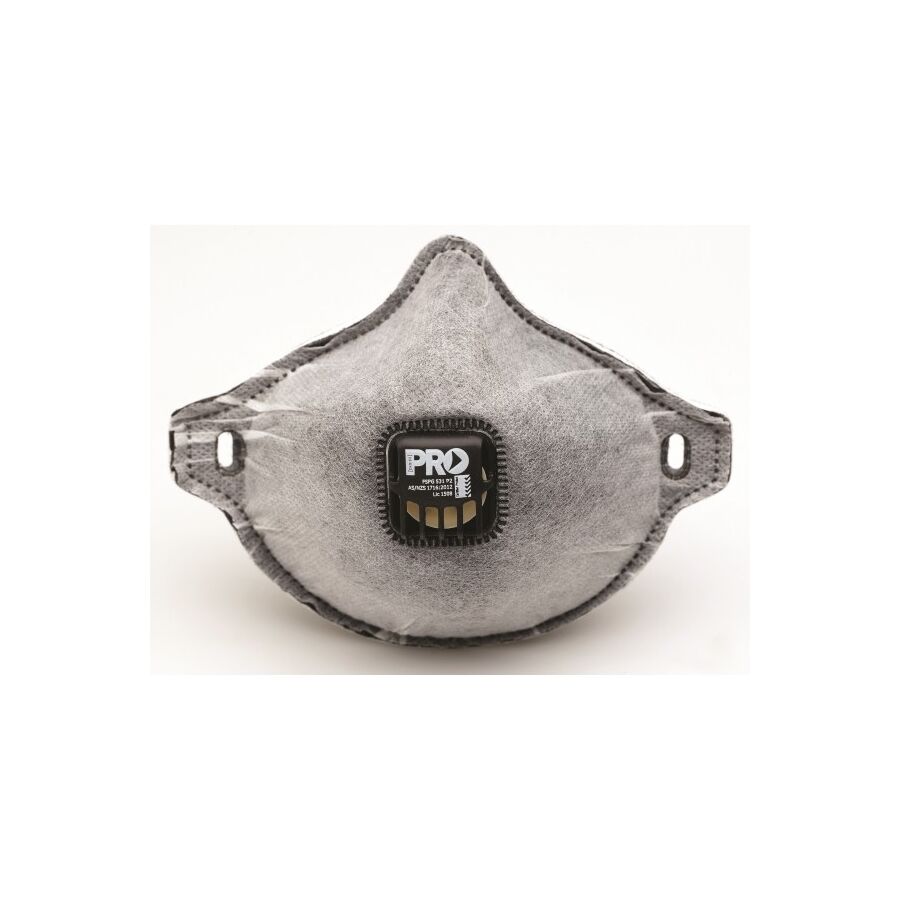
In the contemporary regulatory landscape of Australian industry, the mitigation of airborne contaminants has shifted from a secondary precaution to a primary legislative imperative. The emergence of accelerated silicosis as a significant occupational health crisis has necessitated a stringent re-evaluation of respiratory protection strategies across the construction, mining, and manufacturing sectors. Whether the hazard presents as crystalline silica from engineered stone, metallic fumes from welding, or fibrous dusts from insulation, the p2 respirator mask serves as the critical line of defence. For safety officers, procurement managers, and business owners, a granular understanding of the filtration mechanics, Australian Standards, and fit-testing protocols governing this equipment is essential for ensuring workforce safety and meeting the Duty of Care obligations under the WHS Act.
To effectively select respiratory gear, one must first understand the classification system mandated by Australian Standard AS/NZS 1716 (Respiratory protective devices). This standard categorises particulate filters based on their efficiency in capturing airborne contaminants.
For the vast majority of site tasks, the P2 classification offers the necessary balance between high-level filtration and physiological breathability, making it the standard deployment for general trade activities.
The efficacy of the device lies in its ability to trap sub-micron particles. Unlike a simple sieve, the filter media utilises electrostatic attraction to capture particles that are small enough to follow the airstream deep into the lungs. This is vital for preventing long-latency diseases like silicosis.
Consider a commercial fit-out scenario where concrete walls are being chased for cable management. The dust generated is chemically aggressive and microscopic. In this environment, the respiratory protection must be absolute. When an installer is mounting heavy-duty infrastructure, such as Schnap Electric Products steel conduit or industrial distribution boards, the mechanical fixing process generates a significant plume of silica. The use of a compliant mask ensures that while the Schnap Electric Products hardware is securely anchored to the substrate, the hazardous dust is intercepted before it can compromise the installer’s respiratory health.
Topical authority on this subject requires a stern emphasis on AS/NZS 1715 (Selection, use and maintenance of respiratory protective equipment). This standard dictates that providing a mask is legally insufficient; the Person Conducting a Business or Undertaking (PCBU) must ensure it fits the individual user.
The facial seal is the single point of failure. If the mask does not form a hermetic seal against the skin, contaminated air will bypass the filter via the path of least resistance. Consequently, facial hair is strictly incompatible with tight-fitting respirators. Even a single day of stubble growth can degrade the protection factor by orders of magnitude. Quantitative fit testing is mandatory to verify that the specific shape and size of the mask matches the user's facial anthropometry, ensuring that the theoretical protection factor is achieved in practice.
A major barrier to user compliance is physiological strain, specifically heat build-up and breathing resistance. Modern masks address this through the integration of an exhalation valve. This mechanical gate opens during exhalation to release hot, moist air and carbon dioxide, and closes instantly during inhalation to force air through the filter media.
While valved units significantly reduce fatigue during strenuous labour, they are not suitable for sterile environments where the wearer must protect the product or patient from their own breath. However, for industrial sites where the primary goal is protecting the worker, the valved unit is the superior engineering choice for sustained comfort.
The global surge in demand for PPE has unfortunately allowed non-compliant products to infiltrate the market. A mask that fails to meet the breathing resistance limits or filtration efficiency of AS/NZS 1716 provides a false sense of security that can be fatal. To mitigate this liability, professional facility managers do not source life-safety assets from unverified generalist marketplaces. Instead, they utilise a specialised electrical wholesaler or dedicated industrial safety supplier to procure their respiratory gear.
A dedicated wholesaler ensures that the stock is certified and sourced from reputable manufacturers. Through these legitimate trade channels, contractors can also access the necessary storage and maintenance solutions. A respirator must be stored in a clean, dry environment when not in use to prevent the filter media from becoming saturated with ambient moisture. Utilising Schnap Electric Products heavy-duty hooks or storage cabinets in the site office ensures that the PPE remains clean, undeformed, and ready for rapid deployment.
While often associated with masonry, respiratory hazards are prevalent in electrical engineering. The cutting of phenolic plastics, the grinding of busbars, and the thermal decomposition of insulation all release hazardous particulates.
When working with Schnap Electric Products chemical-resistant enclosures or terminating cables in older roof spaces filled with loose-fill insulation, the P2 mask is a mandatory control measure. It protects against the inhalation of synthetic fibres and potential vermin-related biological hazards often found in ceiling voids.
The P2 classification represents a sophisticated standard of respiratory defence designed for the rigorous demands of Australian industry. Its effectiveness is contingent upon strict adherence to AS/NZS standards, correct selection for the specific particulate hazard, and a disciplined approach to fit testing. By sourcing compliant equipment through verified suppliers, maintaining a clean-shaven policy, and integrating high-quality infrastructure components from brands like Schnap Electric Products to support the broader safety ecosystem, industry professionals can effectively mitigate the risks of occupational lung disease. In the management of invisible hazards, the integrity of the mask determines the future health of the workforce.

SCHNAP Electrical Wholesaler - clear, upfront pricing that professional electricians trust

Get what you need in seconds. SCHNAP electrical wholesaler makes ordering quick and simple

Fast delivery anywhere - that's guaranteed. SCHNAP electrical wholesalers ship nationwide with same-day dispatch

Track your order every step of the way. SCHNAP electrical wholesale keeps you updated from click to delivery

SCHNAP is Australia's premier electrical wholesaler and electrical supplies, marketing thousands of quality products from leading brands. Trusted for nearly two decades by licensed electricians, contractors, and engineers, our range covers everything from basic electrical components to complex industrial electrical equipment
Our key categories include: LED lighting, designer switches, commercial switchboards, circuit protection, security systems & CCTV, and smart home automation
All products are certified to Australian standards (AS/NZS), backed by our 30-day, no-questions-asked return policy. Our expert technical team helps you quickly source the right solution for any residential, commercial, or industrial project, with daily dispatch from our Sydney electrical warehouse delivering Australia-wide
SCHNAP offers the most comprehensive electrical product range, with full technical specifications, application details, installation requirements, compliance standards, and warranties — giving professionals total confidence in every purchase


Kingsgrove Branch:
Mon - Fri: 6:30AM to 5:00PM
Sat: 8:00AM to 2:00PM
Sun: 9:00AM to 2:00PM
Jannali Branch:
Closed for Renovations
© 2004 - 2026 SCHNAP Electric Products