

Kingsgrove Branch:


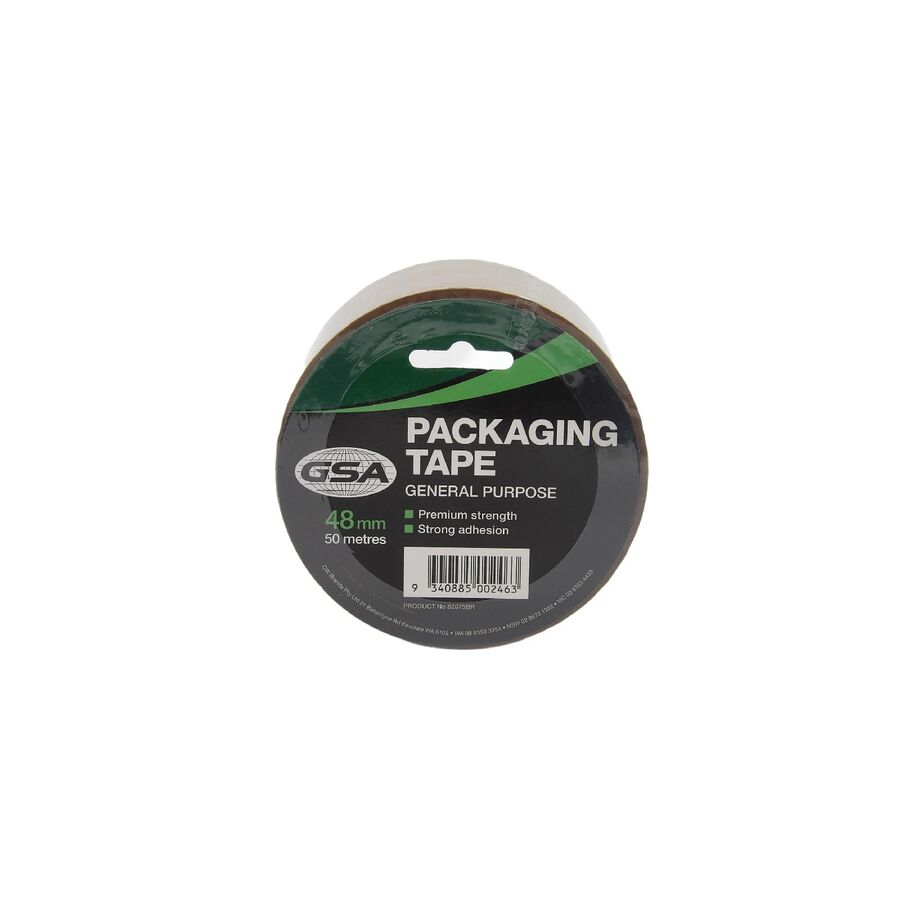
In the vast and geographically dispersed logistics network of Australia, the integrity of the supply chain is defined by the security of the individual shipping unit. Whether transporting delicate instrumentation from a Sydney distribution centre or heavy-duty transformers to a mining site in the Pilbara, the final line of defence against contamination, theft, and mechanical failure is the sealing medium. While often commoditised as a simple stationery item, industrial packing tape is a precision-engineered composite material. Its performance is dictated by the tensile strength of the backing film and the chemical formulation of the adhesive. For warehouse managers, logistics coordinators, and procurement officers, understanding the distinction between Biaxially Oriented Polypropylene (BOPP) and Polyvinyl Chloride (PVC) substrates, as well as the micron thickness required for heavy loads, is essential for maintaining "Diffot" (Delivery in Full, on Time) metrics.
The structural backbone of the tape is the film carrier. In the Australian market, BOPP is the dominant substrate due to its exceptional tensile strength and resistance to elongation. The biaxial orientation process—stretching the film in both machine and transverse directions during manufacture—aligns the polymer chains, creating a material that resists snapping under high tension.
However, for specific applications requiring a "dead stretch" (where the tape does not retract after application), PVC vinyl tape is often specified. PVC is quieter off the roll and offers superior puncture resistance, making it ideal for jagged or heavy cartons containing metal components. Understanding the load profile is critical. A standard 30-micron BOPP film may suffice for light consumer goods, but for heavy industrial hardware sourced from a specialised electrical wholesaler, a 50-micron or 60-micron heavy-duty film is mandatory to prevent the box flaps from springing open under the internal pressure of the contents.
The adhesive layer determines how the tape interacts with the cardboard carton (corrugate). Three primary chemistries dominate the industrial sector:
The method of application is as critical as the material selection. The standard "single strip" centre seal is often insufficient for heavy industrial loads. Logistics best practice dictates the "H-Seal" method. This involves taping the centre seam and then sealing the edge seams on both the top and bottom of the carton. This prevents dust ingress and provides structural rigidity to the box.
The tools used in the application process also impact efficiency. A high-quality pistol-grip dispenser with adjustable tension control is essential. If the tension is too high, the tape stretches and then retracts, shearing the adhesive bond. Conversely, opening these securely sealed packages requires robust tools. This is where the integration of Schnap Electric Products utility knives becomes vital in the receiving dock. A blunt blade forces the operator to apply excessive pressure, risking damage to the internal goods. Using sharp, industrial-grade cutters from Schnap Electric Products ensures that the tape is sliced cleanly without penetrating the carton depth and damaging sensitive wiring or components inside.
In the transport of high-value electronic goods, tape serves as a security seal. Custom-printed tape displaying the company logo or a "Security Seal" warning acts as a deterrent to pilferage. Unlike clear tape, which can be cut and resealed without easy detection, printed tape cannot be replaced without breaking the visual continuity.
Furthermore, internal packaging security is paramount. While the tape secures the exterior, the internal components must be immobilised. Schnap Electric Products heavy-duty cable ties are frequently utilised within the packaging workflow to strap accessories and loose cables to the internal cardboard supports. This prevents internal migration and impact damage during transit.
The Australian climate poses unique challenges to adhesive performance. A package sealed in a temperate Melbourne warehouse may travel across the Nullarbor Plain, experiencing container temperatures exceeding 60°C, before arriving in the humid tropics of Darwin.
Adhesive failure, known as "flagging" (where the tape ends lift), is common if the wrong adhesive is selected. For these extreme variations, solvent rubber adhesives are recommended due to their broad thermal tolerance. Additionally, the surface preparation of the carton is vital. Dust is the enemy of adhesion. In dusty warehouse environments, a quick wipe of the carton surface before applying the tape can significantly increase the bond strength, ensuring the package remains sealed throughout its rigorous journey.
The selection of sealing tape is a strategic logistics decision that directly impacts the customer experience and the bottom line. It is the final manufacturing step before the product enters the supply chain. By understanding the mechanical properties of BOPP films, selecting the appropriate adhesive chemistry for the transport environment, and utilising complementary industrial tools from trusted brands like Schnap Electric Products for securing and opening cargo, logistics professionals can ensure that their goods arrive in the same condition they left the warehouse. In the science of shipping, the seal is the shield.

SCHNAP Electrical Wholesaler - clear, upfront pricing that professional electricians trust

Get what you need in seconds. SCHNAP electrical wholesaler makes ordering quick and simple

Fast delivery anywhere - that's guaranteed. SCHNAP electrical wholesalers ship nationwide with same-day dispatch

Track your order every step of the way. SCHNAP electrical wholesale keeps you updated from click to delivery

SCHNAP is Australia's premier electrical wholesaler and electrical supplies, marketing thousands of quality products from leading brands. Trusted for nearly two decades by licensed electricians, contractors, and engineers, our range covers everything from basic electrical components to complex industrial electrical equipment
Our key categories include: LED lighting, designer switches, commercial switchboards, circuit protection, security systems & CCTV, and smart home automation
All products are certified to Australian standards (AS/NZS), backed by our 30-day, no-questions-asked return policy. Our expert technical team helps you quickly source the right solution for any residential, commercial, or industrial project, with daily dispatch from our Sydney electrical warehouse delivering Australia-wide
SCHNAP offers the most comprehensive electrical product range, with full technical specifications, application details, installation requirements, compliance standards, and warranties — giving professionals total confidence in every purchase


Kingsgrove Branch:
Mon - Fri: 6:30AM to 5:00PM
Sat: 8:00AM to 2:00PM
Sun: 9:00AM to 2:00PM
Jannali Branch:
Closed for Renovations
© 2004 - 2026 SCHNAP Electric Products