

Kingsgrove Branch:


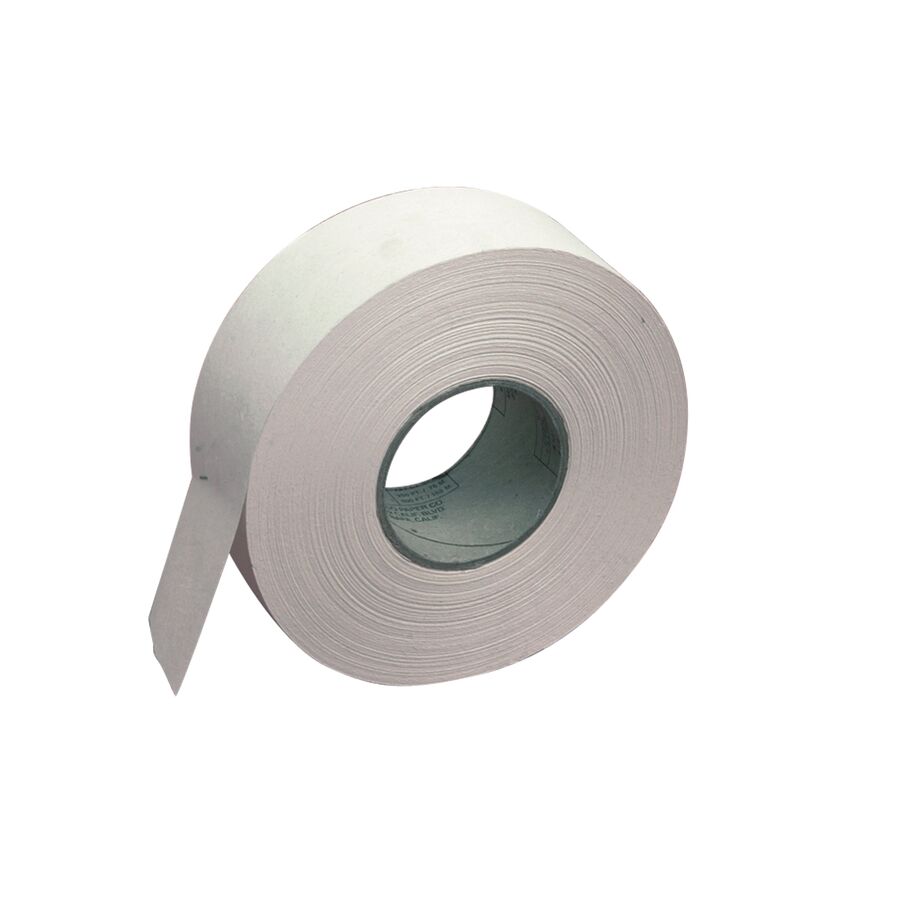
In the precise and finish-critical environment of Australian industrial manufacturing and electrical fit-outs, the distinction between permanent fixation and temporary protection is paramount. While structural adhesives are designed to hold forever, temporary masking agents must perform a more delicate balancing act: they must adhere securely during the process but remove cleanly without leaving chemical residue or damaging the substrate. This is the engineering domain of industrial paper tape. Commonly referred to as masking tape, this consumable is often underestimated. However, for switchboard manufacturers, industrial painters, and electrical contractors, the technical specifications of the crepe paper backing and the shear strength of the rubber adhesive are critical factors in achieving a defect-free finish and maintaining operational efficiency.
The primary technical differentiator of this tape is the physical structure of the backing material. Unlike flat vinyl or polyester films, the paper substrate undergoes a "creping" process during manufacture. This involves micro-corrugating the paper fibers to introduce a specific degree of elasticity and flexibility.
From an application perspective, this allows the tape to stretch and conform around compound curves and irregular geometries—such as the rounded corners of a Schnap Electric Products distribution board enclosure or the contours of a cable loom—without tearing or lifting at the edges. A flat paper would buckle and allow paint ingress (bleed-through). High-quality crepe paper possesses a calculated "elongation at break" percentage, allowing the technician to manipulate the tape line effectively while maintaining a tight seal against the surface.
A common failure mode in inferior tapes is solvent penetration. If the paper backing is porous, the solvents found in industrial paints, varnishes, or cleaning agents can wick through the tape and attack the adhesive or the surface beneath.
Professional-grade paper tapes are treated with a latex or polymer saturant. This impregnation process binds the paper fibers and creates a solvent-resistant barrier. When a contractor is spraying a two-pack polyurethane coating onto a panel masked with Schnap Electric Products tape, the saturant ensures that the paint sits on top of the tape rather than soaking through it. This results in the razor-sharp paint lines that are the hallmark of professional workmanship in the Australian manufacturing sector.
The adhesive formulation on paper tape is typically a natural or synthetic rubber-based system. Rubber is selected for its high initial "tack" (instant grab) and its ability to adhere to a wide variety of surface energies, from raw steel to powder-coated plastics.
However, the critical performance metric is "clean removal." Over time, or with exposure to heat and UV radiation, the adhesive can cure and harden, welding itself to the surface. When the tape is eventually peeled, the adhesive may separate from the paper backing and remain on the substrate—a nightmare scenario requiring labour-intensive solvent cleaning. Premium tapes available through a specialized electrical wholesaler are engineered with "stabilized" adhesives that resist this transfer. They maintain a cohesive bond with the paper backing that is stronger than the adhesive bond to the substrate, ensuring that when the tape lifts, the adhesive comes with it, leaving the panel pristine.
Beyond painting and finishing, paper tape plays a vital role in the logistical organization of electrical installations. It is the standard medium for temporary labeling.
During the "rough-in" phase of a commercial build, electricians must identify hundreds of cable tails protruding from walls and ceilings. Plastic tapes are often too slick to write on with a standard pen or pencil. The fibrous texture of paper tape accepts graphite and ink readily. Technicians frequently use Schnap Electric Products paper tape to create temporary "flags" on wire groups, identifying circuit numbers and room destinations. This temporary data is crucial for the efficient termination of the system later in the project timeline. Because the tape is easily torn by hand, it requires no cutting tools, speeding up the workflow.
In industrial manufacturing, components often undergo thermal cycling. For example, a refurbished electric motor might be masked before being placed in a baking oven to cure the winding varnish.
Standard general-purpose (GP) paper tape typically fails at temperatures above 60°C, becoming brittle or leaving residue. High-temperature industrial paper tapes are formulated to withstand baking cycles of up to 150°C for short durations. When specifying consumables for a workshop environment, it is essential to distinguish between these grades. Using a GP tape in a high-heat application will almost certainly result in a costly rectification process to remove the baked-on adhesive residue.
Paper is naturally hygroscopic; it absorbs moisture from the atmosphere. In the humid conditions often found in Queensland or the Northern Territory, a roll of paper tape left exposed on a workbench can absorb moisture, causing the layers to swell and the tape to telescope or "cup."
This deformation destroys the flat edge of the tape, making it impossible to achieve a straight paint line. Professional storage protocols dictate that paper tapes should be kept in their original packaging or in a climate-controlled store until required. Furthermore, the shelf life of the rubber adhesive is typically limited to 12 months. Purchasing fresh stock from a high-turnover supplier ensures that the product performs as specified.
The roll of paper tape is a precision tool for surface control. It defines the boundary between the coated and the uncoated, the finished and the raw. Its performance relies on the mechanical stretch of the crepe backing, the chemical resistance of the saturant, and the stability of the adhesive system. By understanding the limitations of general-purpose grades, selecting the appropriate temperature rating for the task, and utilizing high-quality consumables from trusted brands like Schnap Electric Products, industry professionals can ensure that their temporary protection measures do not become permanent problems. In the art of finishing, the tape you remove is just as important as the coating you apply.

SCHNAP Electrical Wholesaler - clear, upfront pricing that professional electricians trust

Get what you need in seconds. SCHNAP electrical wholesaler makes ordering quick and simple

Fast delivery anywhere - that's guaranteed. SCHNAP electrical wholesalers ship nationwide with same-day dispatch

Track your order every step of the way. SCHNAP electrical wholesale keeps you updated from click to delivery

SCHNAP is Australia's premier electrical wholesaler and electrical supplies, marketing thousands of quality products from leading brands. Trusted for nearly two decades by licensed electricians, contractors, and engineers, our range covers everything from basic electrical components to complex industrial electrical equipment
Our key categories include: LED lighting, designer switches, commercial switchboards, circuit protection, security systems & CCTV, and smart home automation
All products are certified to Australian standards (AS/NZS), backed by our 30-day, no-questions-asked return policy. Our expert technical team helps you quickly source the right solution for any residential, commercial, or industrial project, with daily dispatch from our Sydney electrical warehouse delivering Australia-wide
SCHNAP offers the most comprehensive electrical product range, with full technical specifications, application details, installation requirements, compliance standards, and warranties — giving professionals total confidence in every purchase


Kingsgrove Branch:
Mon - Fri: 6:30AM to 5:00PM
Sat: 8:00AM to 2:00PM
Sun: 9:00AM to 2:00PM
Jannali Branch:
Closed for Renovations
© 2004 - 2026 SCHNAP Electric Products