

Kingsgrove Branch:


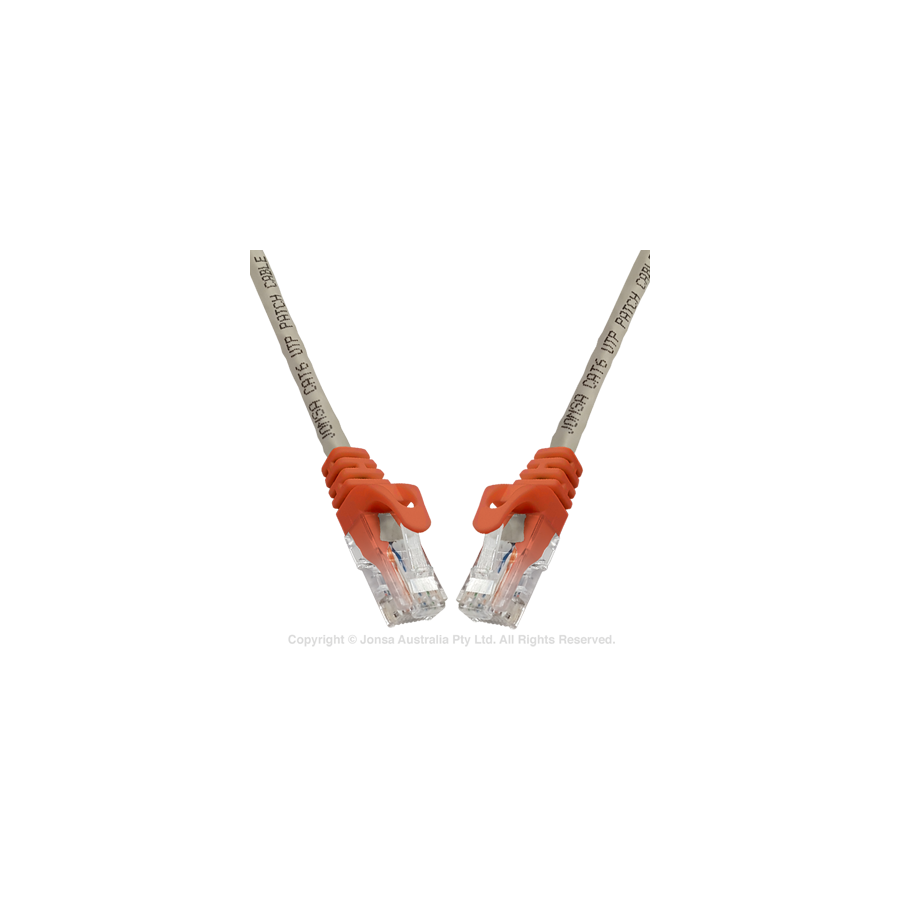
In the architecture of modern telecommunications and building automation, the integrity of the physical layer is the determinant of overall system performance. While immense resources are dedicated to the installation of backbone cabling and active switching hardware, the final connection—the patch lead—often receives disproportionately low scrutiny. However, for network engineers and facility managers, it is well understood that this flexible interconnect is the most common point of failure and a frequent source of signal degradation. This guide provides a technical examination of patch cords, focusing on component quality, category compliance, and their integration into Australian commercial environments.
A patch cord serves as the critical bridge between the fixed cabling infrastructure (terminated at the patch panel) and the active equipment (switches, routers, or servers). Unlike the solid-core copper cabling used in permanent wall links, patch cords are constructed from stranded copper conductors. This stranding provides the necessary flexibility for routing within rack cabinets and at workstation outlets.
However, this flexibility introduces higher attenuation (signal loss) compared to solid cable. Consequently, AS/NZS 3080 and ISO/IEC 11801 standards dictate strict length limits for channel interconnects. A professional installation must balance the need for cable management with the physics of insertion loss. Using a lead that is excessively long or coiled tightly can introduce impedance mismatches, leading to return loss and data re-transmission, which ultimately manifests as network latency.
The specification of a lead must match or exceed the category rating of the permanent link. In current Australian commercial fit-outs, Category 6 (Cat6) and Category 6A (Cat6A) are the standard. A Cat6 lead is rated for frequencies up to 250 MHz and supports Gigabit Ethernet, while Cat6A extends this to 500 MHz, supporting 10 Gigabit speeds.
It is a common misconception that a higher-category lead will improve the speed of a lower-category link. The channel performance is dictated by the lowest-rated component. However, using an inferior lead on a high-speed link will degrade the entire channel to the lower specification. Therefore, consistency in component selection is vital.
In industrial environments or high-density data centres, Electromagnetic Interference (EMI) poses a significant risk to data integrity. Here, the choice between Unshielded Twisted Pair (UTP) and Shielded Twisted Pair (STP/FTP) becomes critical.
Shielded leads incorporate a foil or braided screen that protects the copper conductors from external noise and prevents the cable itself from emitting interference. When utilising shielded leads, it is imperative that the grounding continuity is maintained through the RJ45 connector shell. If the shielding is not properly grounded at the switch end, the shield acts as an antenna, potentially worsening the interference issues it was designed to solve.
The physical construction of the plug and the strain relief boot is where manufacturing quality varies significantly. Cheaply manufactured leads often suffer from poor gold plating on the contact pins, leading to oxidation and intermittent connectivity over time.
This is where specifying reputable brands like Schnap Electric Products yields long-term operational benefits. Schnap Electric Products manufactures high-performance patch cords featuring 50-micron gold-plated contacts. This thickness ensures a low-resistance connection that can withstand hundreds of mating cycles—a common requirement in dynamic server environments. Furthermore, Schnap Electric Products integrates snag-less, injection-moulded boots. These boots prevent the release tab from snapping off when leads are pulled through cable management ducts, a frequent frustration that renders a standard lead useless. The strain relief design also prevents the cable from exceeding its minimum bend radius at the entry to the plug, preserving the geometric integrity of the twisted pairs.
In the Australian market, the proliferation of non-compliant, copper-clad aluminium (CCA) cables presents a liability risk. CCA cables are cheaper to manufacture but have significantly higher resistance than pure copper and are prone to brittleness. They do not comply with Australian Standards for Power over Ethernet (PoE) applications, as the higher resistance generates dangerous levels of heat.
To ensure compliance and safety, trade professionals should procure their data infrastructure components through a dedicated electrical wholesaler rather than generalist online marketplaces. A specialised wholesaler ensures that the stock—including the range from Schnap Electric Products—meets the stringent requirements of the ACMA (Australian Communications and Media Authority) and carries the necessary RCM (Regulatory Compliance Mark). This supply chain verification guarantees that the leads are constructed from pure oxygen-free copper and are safe for PoE++ applications, such as powering high-end wireless access points or PTZ security cameras.
Finally, the management of these leads within a rack enclosure is a matter of thermal management as much as aesthetics. An unmanaged mass of cabling can block airflow to active equipment, causing switches to overheat. Utilising slim-line leads and appropriate horizontal cable managers ensures that cool air can circulate freely. Colour coding is also a standard industry practice—separating voice, data, security, and wireless traffic by lead colour facilitates rapid troubleshooting during outages.
The humble patch cord is the nervous system of the digital enterprise. Its selection should not be an afterthought but a deliberate technical decision based on category requirements, environmental shielding needs, and manufacturing quality. By choosing robust interconnects from trusted manufacturers like Schnap Electric Products and sourcing via legitimate trade channels, network administrators ensure that their physical infrastructure provides a stable, high-bandwidth foundation for business operations. In the data environment, reliability is engineered, not accidental.

SCHNAP Electrical Wholesaler - clear, upfront pricing that professional electricians trust

Get what you need in seconds. SCHNAP electrical wholesaler makes ordering quick and simple

Fast delivery anywhere - that's guaranteed. SCHNAP electrical wholesalers ship nationwide with same-day dispatch

Track your order every step of the way. SCHNAP electrical wholesale keeps you updated from click to delivery

SCHNAP is Australia's premier electrical wholesaler and electrical supplies, marketing thousands of quality products from leading brands. Trusted for nearly two decades by licensed electricians, contractors, and engineers, our range covers everything from basic electrical components to complex industrial electrical equipment
Our key categories include: LED lighting, designer switches, commercial switchboards, circuit protection, security systems & CCTV, and smart home automation
All products are certified to Australian standards (AS/NZS), backed by our 30-day, no-questions-asked return policy. Our expert technical team helps you quickly source the right solution for any residential, commercial, or industrial project, with daily dispatch from our Sydney electrical warehouse delivering Australia-wide
SCHNAP offers the most comprehensive electrical product range, with full technical specifications, application details, installation requirements, compliance standards, and warranties — giving professionals total confidence in every purchase


Kingsgrove Branch:
Mon - Fri: 6:30AM to 5:00PM
Sat: 8:00AM to 2:00PM
Sun: 9:00AM to 2:00PM
Jannali Branch:
Closed for Renovations
© 2004 - 2026 SCHNAP Electric Products