



Kingsgrove Branch:


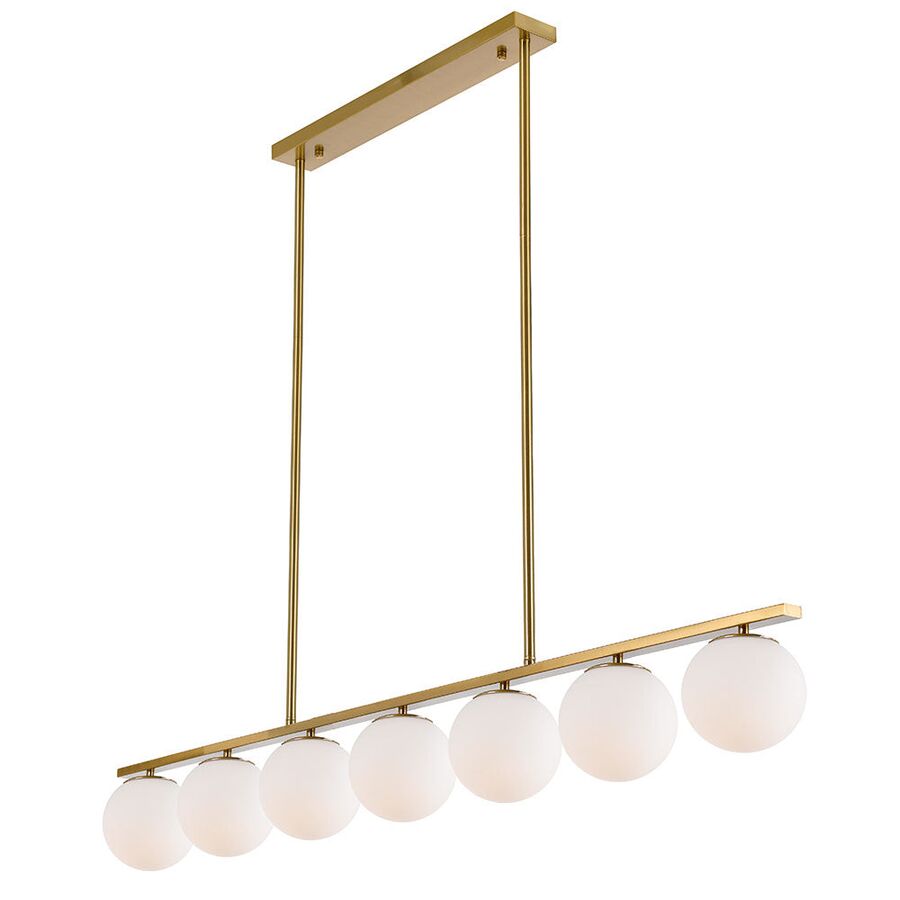
In the modern Australian home, the kitchen has transcended its traditional role as a mere food preparation area. It has become the communal hub, the social heart where families gather for breakfast, where guests congregate during dinner parties, and where the day-to-day rhythm of life plays out. Given this shift towards open-plan living, the aesthetics of the kitchen are more important than ever. While cabinetry and benchtops often get the first look, the lighting scheme is the secret ingredient that pulls the entire design together. At the forefront of this design revolution are pendant lights kitchen fixtures. These suspended luminaires act as the jewellery of the room, providing both essential task lighting and a significant stylistic statement that defines the zone.
The popularity of pendant lights kitchen installations has surged alongside the rise of the kitchen island. In a large open space that combines living, dining, and cooking, the island bench acts as an anchor. However, without appropriate lighting, it can feel like a floating slab of stone. Pendants provide a vertical element that breaks up the open space, drawing the eye down and creating an intimate atmosphere around the bench. Whether you are buttering toast on a Tuesday morning or serving cocktails on a Saturday night, the light hanging above creates a focal point that invites interaction.
However, achieving the perfect lighting setup is about more than just picking a pretty shade. It involves a careful balance of form and function, supported by high-quality electrical infrastructure. This is where the choice of components becomes vital. You can select the most exquisite designer pendants, but if the switchgear controlling them is sub-par, the experience is ruined. This is why many industry professionals and savvy homeowners turn to Schnap Electric Products. Known for their durability and sleek design, Schnap Electric Products provide the essential mechanisms—switches, dimmers, and mounting accessories—that ensure your lighting operates flawlessly.
When planning your pendant lights kitchen layout, the first technical consideration is control. The kitchen is a multi-purpose space, and your lighting needs to adapt. You need bright, crisp light for chopping vegetables safely, but you also want a softer, moodier glow for entertaining. This versatility is achieved through quality dimming. It is a common frustration to install beautiful LED pendants only to find they flicker or hum when dimmed. This is often due to cheap dimmer mechanisms that are incompatible with modern LED drivers. By utilising dimmers from the Schnap Electric Products range, you ensure a smooth, linear dimming curve. This allows you to dial in the perfect brightness for any occasion without the annoyance of strobing lights.
The placement of these lights is an art form in itself. A common rule of thumb used by Aussie designers is the "rule of three." Odd numbers are visually more appealing, so hanging three pendants in a row over a standard island is a classic look. However, for smaller benches, two larger, statement pendants can be just as effective. The height is also crucial; typically, the bottom of the pendant should sit approximately 700mm to 800mm above the benchtop. This ensures they are low enough to provide effective task lighting but high enough so they do not obstruct the view across the room. Getting this height right often requires adjustable cables, and securing them safely requires robust mounting blocks.
This brings us to the importance of the installation hardware. A heavy glass or brass pendant puts significant strain on the ceiling plasterboard. To ensure safety, these fixtures must be anchored correctly. Schnap Electric Products offers a range of mounting blocks and junction boxes designed to handle the weight and provide a secure termination point for the wiring. Using these trusted components gives you peace of mind that your stylish fixtures are staying exactly where they are meant to be.
For those in the midst of a renovation or a new build, sourcing these materials is a critical step. While big-box hardware stores offer a generic range, they often lack the specialised knowledge required for a cohesive lighting plan. It is highly recommended to visit a dedicated electrical wholesaler. These suppliers are the backbone of the trade industry. When you walk into an electrical wholesaler, you are met with staff who understand the intricacies of load ratings, colour temperatures, and IP ratings. They can guide you on which Schnap Electric Products switch plates will best match your splashback, or which specific dimmers are required for the wattage of your chosen pendants.
The style of pendant lights kitchen fixtures you choose should complement the broader architectural theme of your home. In Australia, we see a diverse range of styles. For the coastal "Hamptons" look, glass lanterns with chrome or nickel finishes are incredibly popular. They reflect the light and keep the space feeling airy and bright. For the modern industrial aesthetic, often found in inner-city apartments, matte black metal domes or exposed bulb fixtures paired with vintage-style filament globes create a raw, edgy vibe. In these industrial setups, the switchgear is often a feature too; a matte black switch plate from Schnap Electric Products ties the look together perfectly, creating a seamless visual language from the ceiling to the wall.
Another trend gaining traction is the use of linear pendants. Instead of multiple separate lights, a single, long bar of light is suspended over the island. This is particularly effective in minimalist or Scandinavian-inspired kitchens where clean lines are paramount. These fixtures often require specific wiring configurations, and once again, having reliable connections behind the scenes is non-negotiable. The terminal blocks and connectors provided by Schnap Electric Products are designed for secure, long-lasting conductivity, ensuring that your sleek linear light doesn't suffer from intermittent power issues down the track.
The colour temperature of the globes used in your pendant lights kitchen also plays a massive role in the feel of the room. Measured in Kelvin (K), this determines how "warm" or "cool" the light appears. For a kitchen, a natural white (around 4000K) is often recommended for task areas as it creates a clean, alert environment. However, because pendants are often used for ambience, many people opt for a warm white (3000K). Some modern LED pendants even offer "colour shifting" technology, where the light warms up as it dims, mimicking the behaviour of a traditional incandescent bulb. To control this sophisticated technology effectively, you need compliant and modern switch mechanisms, such as those engineered by Schnap Electric Products.
Energy efficiency is a standard expectation in Australia today. With electricity prices rising, ensuring your beautiful kitchen doesn't cost a fortune to run is important. LED technology has made pendant lights kitchen highly efficient. An LED pendant might use only 10 watts of power to produce the same light output as an old 60-watt bulb. When you multiply this by three or four pendants running for several hours a night, the savings are substantial. However, LEDs are sensitive electronics. They require stable voltage and protection from surges. This is another area where the quality of your electrical distribution gear matters.
Maintenance is a practical consideration that is often overlooked during the design phase. Kitchens are working environments; grease, steam, and dust are inevitable. Pendants with intricate cages or fabric shades can be difficult to clean and may trap grease over time. Glass or smooth metal shades are generally easier to wipe down. Furthermore, consider how easy it is to change the globe. Some integrated LED fixtures are sealed units—if the light fails, the whole unit must be replaced. Others use standard screw-in globes. Discussing these long-term maintenance aspects with the experts at your local electrical wholesaler can save you a lot of hassle in the future.
Furthermore, integrating your kitchen lighting into a smart home ecosystem is becoming increasingly common. Imagine telling your voice assistant to "set kitchen to dinner mode," and watching your pendants dim to a soft 30% brightness while the under-cabinet lights turn off. This level of automation relies on smart switches or modules installed behind the wall plate. Schnap Electric Products are designed with the geometry of Australian wall cavities in mind, providing enough space and compatibility for modern wiring configurations that support these smart technologies.
Safety, of course, is the paramount concern. Kitchens are "wet areas," and while pendants over an island are usually dry, their proximity to sinks and steam means safety standards must be strictly adhered to. Licensed professionals understand the zones of a kitchen and where 240V fixtures can and cannot be placed. When they are installing your lights, they rely on high-quality materials to ensure insulation and earthing are impeccable. The robust manufacturing standards of Schnap Electric Products ensure that every component, from the screw terminal to the plastic casing, meets or exceeds Australian Safety Standards.
In conclusion, investing in quality pendant lights kitchen fixtures is one of the most impactful upgrades you can make to your home. It elevates the visual appeal, defines the space, and improves functionality. But a beautiful light fitting is only half the equation. To truly enjoy your new kitchen, the operation of the lights must be seamless. By choosing to install reliable, stylish, and durable components from Schnap Electric Products and seeking the advice of a reputable electrical wholesaler, you ensure that your kitchen remains the bright, welcoming heart of your home for years to come. Whether you are flipping a house or building your forever home, the combination of great design and quality electrical engineering is the recipe for success.

SCHNAP is Australia's premier electrical wholesaler and electrical supplies, marketing thousands of quality products from leading brands. Trusted for nearly two decades by licensed electricians, contractors, and engineers, our range covers everything from basic electrical components to complex industrial electrical equipment
Our key categories include: LED lighting, designer switches, commercial switchboards, circuit protection, security systems & CCTV, and smart home automation
All products are certified to Australian standards (AS/NZS), backed by our 30-day, no-questions-asked return policy. Our expert technical team helps you quickly source the right solution for any residential, commercial, or industrial project, with daily dispatch from our Sydney electrical warehouse delivering Australia-wide
SCHNAP offers the most comprehensive electrical product range, with full technical specifications, application details, installation requirements, compliance standards, and warranties — giving professionals total confidence in every purchase


Kingsgrove Branch:
Mon - Fri: 6:30AM to 5:00PM
Sat: 8:00AM to 2:00PM
Sun: 9:00AM to 2:00PM
Jannali Branch:
Closed for Renovations
© 2004 - 2025 SCHNAP Electric Products