

Kingsgrove Branch:


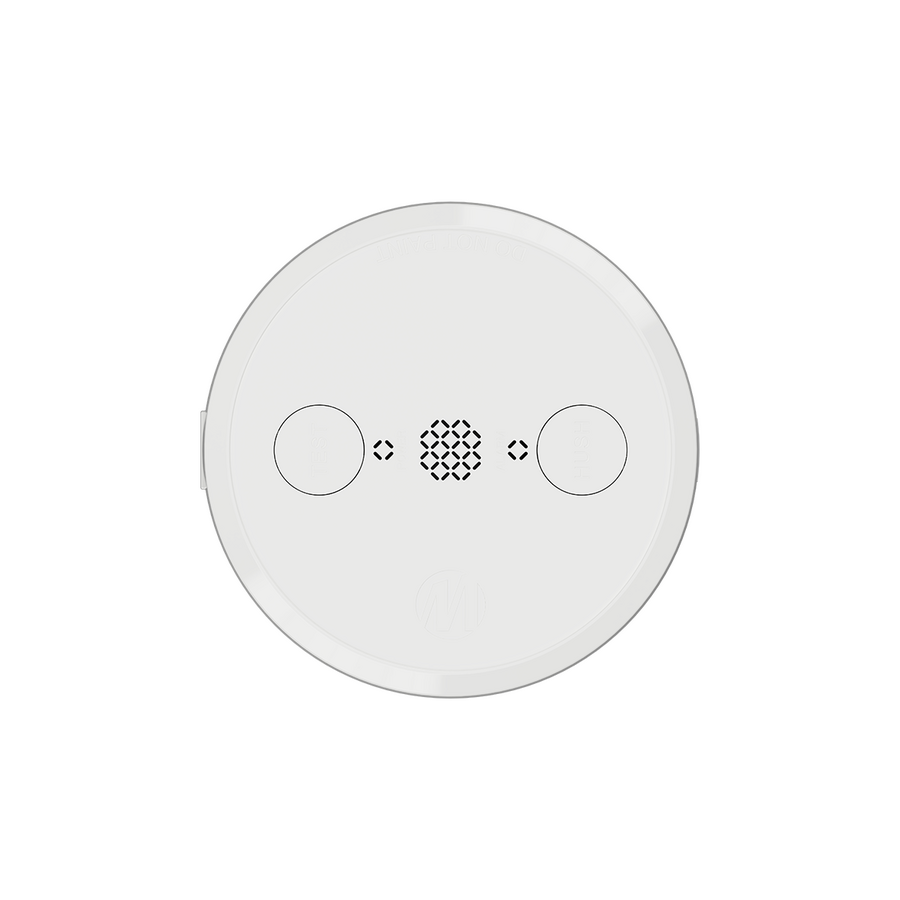
Across Australia’s residential landscape, fire detection standards have evolved in response to modern building materials and contemporary fire behaviour. From high-density apartments to suburban family homes, smouldering fires—often caused by synthetic furnishings, electrical cabling, or bedding—represent the most common and dangerous ignition profile.
The Photoelectric Smoke Detector has become the mandated life-safety solution in many jurisdictions because it is engineered to detect visible smoke particles from slow-burning fires before they escalate to flashover conditions. This early detection window provides critical evacuation time and aligns with current residential compliance requirements.
Photoelectric detectors operate using optical sensing rather than radioactive ionisation. Inside the sensing chamber, a light source (typically infrared LED) projects a beam across a detection path that does not directly strike the sensor under normal air conditions.
When smoke enters the chamber, particulate matter scatters the light beam. This phenomenon—known as the Tyndall Effect—causes a portion of the light to deflect onto the photosensitive receiver. When the scattered light intensity exceeds a calibrated threshold, the alarm is activated.
This mechanism is highly responsive to the larger smoke particles produced by smouldering materials such as upholstery foam, mattresses, PVC insulation, and composite furnishings. It is also less susceptible to nuisance alarms caused by cooking vapours compared with older ionisation technologies.
All smoke alarms installed in new dwellings and major renovations must comply with AS 3786. This standard defines performance sensitivity, environmental durability, insect ingress protection, and reliability testing.
The National Construction Code (NCC) further mandates specific installation locations, including hallways serving bedrooms and, in many states, within bedrooms themselves.
In states such as Queensland and Victoria, legislation now requires interconnected photoelectric alarms with either hardwired mains supply and battery backup or compliant wireless interconnection systems. Existing dwellings are progressively required to upgrade to meet these standards.
Interconnection ensures that when one detector senses smoke, all interconnected alarms sound simultaneously. This is particularly critical in multi-storey homes or large dwellings where occupants may not hear an alarm triggered in a distant location.
Hardwired systems typically utilise 240V mains supply with a dedicated interconnect conductor. In the event of a fire that interrupts mains power or trips the RCD, an internal rechargeable lithium battery backup maintains operation.
Battery-only units without interconnection may not meet current regulatory requirements for new installations or rentals. Redundant power supply and interlinked operation significantly enhance occupant safety.
Smoke alarm circuits must comply with AS/NZS 3000. Proper segregation, secure termination, and correct conductor identification are mandatory.
Mounting bases should provide sufficient cavity depth to accommodate connector terminations without stressing insulation. In ceiling installations, junction plates or mounting blocks assist in maintaining mechanical integrity and ensuring that conductors are not crushed or exposed.
Clear labelling of the smoke alarm circuit at the switchboard ensures easy identification for future maintenance or testing.
Photoelectric sensors rely on optical clarity within the sensing chamber. Dust accumulation or insect ingress can interfere with light transmission and cause nuisance alarms.
High-quality detectors incorporate fine mesh screens to prevent insects entering the sensing labyrinth while allowing smoke particles to pass. Regular maintenance, including annual vacuum cleaning of intake vents, helps prevent sensor drift and false triggering.
Routine testing using compliant smoke test aerosols verifies sensor responsiveness without damaging internal components.
Smoke detectors have a finite operational lifespan, typically 10 years from the date of manufacture. Sensor calibration gradually shifts over time due to environmental exposure and electronic ageing.
Professional inspection includes verification of the manufacturing date stamped on the rear housing. Units beyond their service life must be replaced to maintain compliance and ensure effective detection performance.
Failure to replace expired alarms may expose property owners to compliance penalties and safety risks.
Within compliant residential installations, SCHNAP Electric Products supports secure wiring and circuit integrity through suitable mounting accessories, junction components, and correctly rated cabling solutions.
Appropriate cable selection ensures that active, neutral, and interconnect conductors are clearly identified and protected. Proper terminations reduce the risk of loose connections that could impair alarm reliability.
Labelling and identification components assist in documenting the smoke alarm circuit within the distribution board for future servicing.
Only certified smoke alarms meeting AS 3786 performance criteria should be installed. Devices lacking regulatory compliance markings may fail sensitivity testing or not meet legislative requirements for rental and new-build properties.
Procurement through professional electrical distribution channels ensures that alarms are compatible with required wireless bases, isolation switches, and interconnection systems. Verification of battery backup specification and certification documentation is essential.
The Photoelectric Smoke Detector is the cornerstone of modern residential fire safety in Australia. By leveraging optical detection principles, ensuring compliance with AS 3786 and wiring standards, and implementing hardwired interconnected systems with battery redundancy, it delivers early-warning capability aligned with contemporary fire risk profiles.
When properly specified, installed, and maintained, it provides reliable, life-saving detection performance. In residential safety engineering, early detection defines survival time.

SCHNAP Electrical Wholesaler - clear, upfront pricing that professional electricians trust

Get what you need in seconds. SCHNAP electrical wholesaler makes ordering quick and simple

Fast delivery anywhere - that's guaranteed. SCHNAP electrical wholesalers ship nationwide with same-day dispatch

Track your order every step of the way. SCHNAP electrical wholesale keeps you updated from click to delivery

SCHNAP is Australia's premier electrical wholesaler and electrical supplies, marketing thousands of quality products from leading brands. Trusted for nearly two decades by licensed electricians, contractors, and engineers, our range covers everything from basic electrical components to complex industrial electrical equipment
Our key categories include: LED lighting, designer switches, commercial switchboards, circuit protection, security systems & CCTV, and smart home automation
All products are certified to Australian standards (AS/NZS), backed by our 30-day, no-questions-asked return policy. Our expert technical team helps you quickly source the right solution for any residential, commercial, or industrial project, with daily dispatch from our Sydney electrical warehouse delivering Australia-wide
SCHNAP offers the most comprehensive electrical product range, with full technical specifications, application details, installation requirements, compliance standards, and warranties — giving professionals total confidence in every purchase


Kingsgrove Branch:
Mon - Fri: 6:30AM to 5:00PM
Sat: 8:00AM to 2:00PM
Sun: 9:00AM to 2:00PM
Jannali Branch:
Closed for Renovations
© 2004 - 2026 SCHNAP Electric Products