

Kingsgrove Branch:


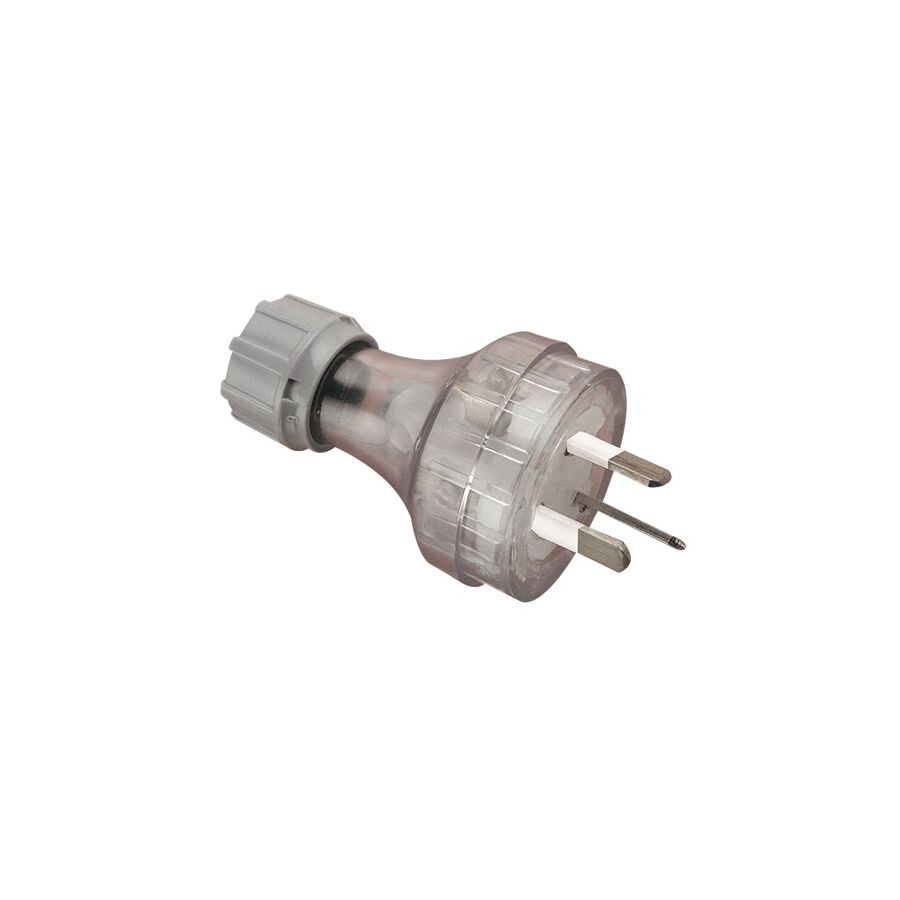
In the vast infrastructure of the Australian electrical network, the continuity of power is ultimately delivered through the final interface: the plug and socket connection. While fixed wiring constitutes the backbone of the distribution system, the portable appliance connection represents a critical point of potential failure and safety risk. The male connector, technically referred to in the trade as the pin plug, is a precision-engineered component that must adhere to strict dimensional and material standards to ensure safe operation. For electrical contractors, test and tag technicians, and facility managers, understanding the nuances of AS/NZS 3112 and the material science behind high-quality rewireable plugs is essential for maintaining site compliance and operational reliability.
The Australian and New Zealand standard for plugs and sockets, AS/NZS 3112, dictates the specific geometry of the connection pins to ensure polarisation and earthing priority. The standard Type I plug features two flat current-carrying pins (Active and Neutral) arranged in an inverted V-shape, and a vertical earthing pin.
Topical authority on this subject requires a focus on the safety evolution of these pins. Modern compliant plugs feature insulated live pins. This insulation covers the base of the Active and Neutral pins, ensuring that if the plug is only partially inserted or withdrawn, the exposed metal carrying current cannot be touched by a user's finger or a metal object. This design modification significantly reduces the risk of electric shock during insertion. Furthermore, the length of the Earth pin is slightly greater than the live pins, ensuring that the protective earth connection is made first and broken last (Make-First-Break-Last), providing ground fault protection before the appliance is energised.
The durability of a rewireable plug is defined by its housing material. In industrial and commercial environments, plugs are subjected to mechanical impact, abrasion, and crushing forces. Standard domestic-grade PVC plugs are often insufficient for these applications, as they can crack under foot traffic or become brittle with UV exposure.
Professional specification calls for plugs manufactured from high-impact polycarbonate or UV-stabilised polypropylene. This is where the engineering quality of brands like Schnap Electric Products distinguishes itself. A Schnap Electric Products rewireable plug is designed with a transparent or semi-transparent rear housing. This is not merely an aesthetic choice; it is a functional inspection feature that allows safety officers and test-and-tag technicians to visually verify the integrity of the internal terminations and the cable clamp without dismantling the unit. The high-impact thermoplastic used in Schnap Electric Products ensures that the housing maintains its dielectric strength even after being dropped on a concrete workshop floor.
The internal mechanics of the plug are just as critical as the external shell. A common failure mode in portable appliances is "pull-out," where the flexible cable is yanked from the plug, straining the copper conductors at the screw terminals.
To mitigate this, industrial-grade plugs utilise a robust cable anchoring system. This can be a "tortuous path" design, where the cable is woven around pillars, or a saddle clamp mechanism. The clamping mechanism must secure the outer sheath of the flex, not the inner conductors. This transfers any mechanical tensile load to the sheath, protecting the delicate copper terminations. When terminating a Schnap Electric Products plug, the electrician ensures that the earth conductor is left slightly longer than the active and neutral. This ensures that in the catastrophic event of the cable anchor failing, the earth wire is the last to pull out, maintaining safety protection until the very end.
While the flat-pin configuration is standard for general power, the trade also relies heavily on round-pin variations for specific applications. These include 15A, 20A, and 32A variants where the pin geometry is altered to prevent a high-current device from being plugged into a standard 10A socket.
Additionally, "Lighting" plugs often utilise a round earth pin to distinguish controlled load circuits from general power. In heavy industry, the IP66 rated round pin plug is the standard. These units feature a threaded locking ring that screws onto the socket, creating a watertight seal against high-pressure jets and dust. These industrial connectors are essential for outdoor motors, pumps, and welding equipment where moisture ingress would cause immediate earth leakage faults.
The procurement of rewireable plugs and extension leads is a routine operational requirement. However, the market is flooded with non-compliant imports that lack the necessary insulated pins or flame-retardant housings. To ensure strict adherence to Australian Standards, professional contractors do not source these critical components from general hardware chains. Instead, they utilise a specialised electrical wholesaler to procure their connection hardware.
A dedicated wholesaler ensures that the stock is certified (RCM marked) and suitable for the specific voltage and environmental conditions of the site. Through these legitimate trade channels, contractors can access the full range of Schnap Electric Products connectors, including the specific IP66 rated plugs and heavy-duty socket outlets required for commercial fit-outs. This supply chain verification ensures that the copper alloy used in the pins has the correct conductivity and corrosion resistance to prevent overheating under load.
A critical, yet often overlooked, factor in plug performance is temperature rise. As current flows through the pin-to-socket interface, resistance generates heat. If the pin material is of poor quality or the dimensions are slightly out of tolerance, contact resistance increases.
Over time, this heat can conduct back into the plug body, melting the insulation and causing a short circuit. High-quality plugs from reputable manufacturers are tested to ensure they operate well within the thermal limits defined by AS/NZS 3112. The brass pins are often nickel-plated to prevent oxidation, ensuring a low-resistance connection is maintained throughout the service life of the plug.
The humble plug is a sophisticated interface between the fixed wiring of a building and the dynamic world of portable appliances. Its safety relies on precise geometry, robust material selection, and correct termination techniques. By utilising high-quality components from trusted brands like Schnap Electric Products, adhering to the wiring protocols of AS/NZS 3000, and sourcing materials through verified supply channels, the electrical industry ensures that power is delivered safely and reliably. In the chain of connectivity, the quality of the link determines the safety of the system.

SCHNAP Electrical Wholesaler - clear, upfront pricing that professional electricians trust

Get what you need in seconds. SCHNAP electrical wholesaler makes ordering quick and simple

Fast delivery anywhere - that's guaranteed. SCHNAP electrical wholesalers ship nationwide with same-day dispatch

Track your order every step of the way. SCHNAP electrical wholesale keeps you updated from click to delivery

SCHNAP is Australia's premier electrical wholesaler and electrical supplies, marketing thousands of quality products from leading brands. Trusted for nearly two decades by licensed electricians, contractors, and engineers, our range covers everything from basic electrical components to complex industrial electrical equipment
Our key categories include: LED lighting, designer switches, commercial switchboards, circuit protection, security systems & CCTV, and smart home automation
All products are certified to Australian standards (AS/NZS), backed by our 30-day, no-questions-asked return policy. Our expert technical team helps you quickly source the right solution for any residential, commercial, or industrial project, with daily dispatch from our Sydney electrical warehouse delivering Australia-wide
SCHNAP offers the most comprehensive electrical product range, with full technical specifications, application details, installation requirements, compliance standards, and warranties — giving professionals total confidence in every purchase


Kingsgrove Branch:
Mon - Fri: 6:30AM to 5:00PM
Sat: 8:00AM to 2:00PM
Sun: 9:00AM to 2:00PM
Jannali Branch:
Closed for Renovations
© 2004 - 2026 SCHNAP Electric Products