

Kingsgrove Branch:


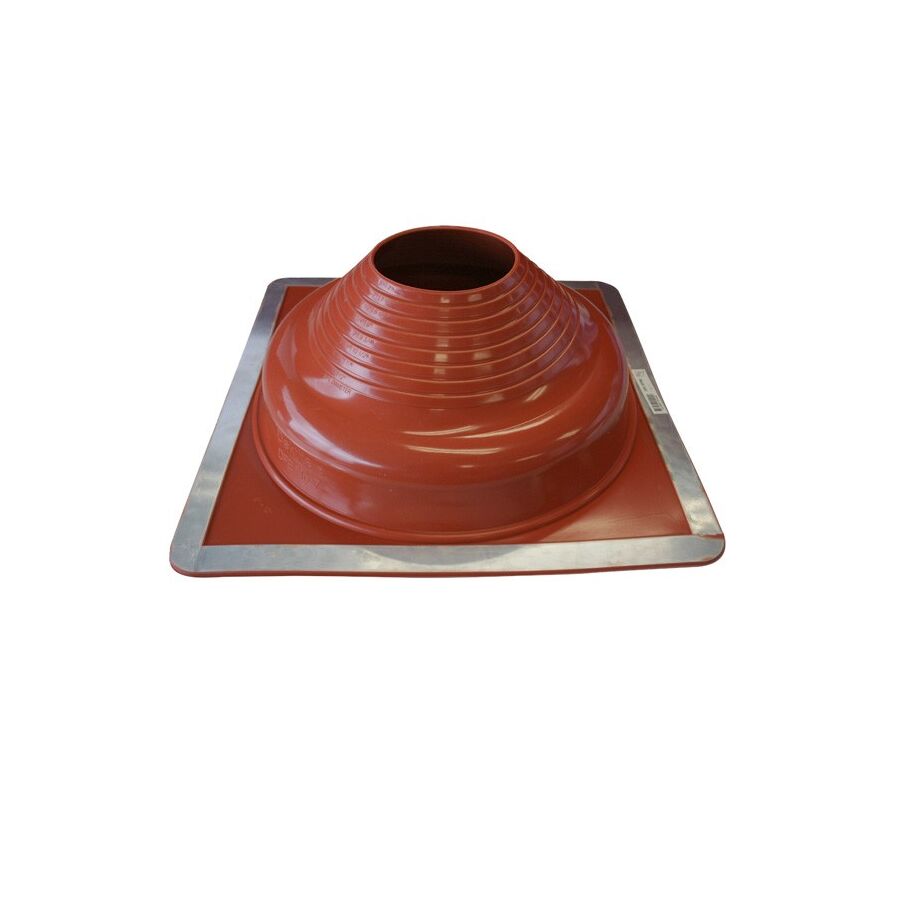
The integrity of a building’s envelope is the first line of defence against the extremes of the Australian climate. From tropical downpours in the north to driving rains along the southern coast, roofing structures are under constant hydraulic pressure. While roofing materials like corrugated steel and terracotta tiles are designed to shed water efficiently, roof penetrations remain a major vulnerability. Every pipe, conduit, or vent that passes through the roof sheet introduces a potential pathway for water ingress. The engineering solution is the installation of high-performance Pipe Flashing, a critical component that accommodates thermal expansion, resists UV damage, and ensures a long-term watertight seal.
Material Science: EPDM vs Silicone
The performance of pipe flashing is largely dependent on the rubber compound used. In Australia’s high-UV environment, basic rubber compounds quickly degrade. The industry standard is EPDM (Ethylene Propylene Diene Monomer), offering excellent resistance to ozone, UV, and extreme temperatures from -50°C to +115°C. For high-temperature applications like exhaust flues, Red Silicone is preferred, withstanding intermittent exposure up to 250°C. Specifiers must select the right compound based on heat and chemical exposure, especially in industrial or coastal zones where degradation can accelerate.
Seal Mechanics on Metal Roofs
Most commercial and industrial roofs in Australia use corrugated steel (e.g. Colorbond or Zincalume). Flashings for these profiles must follow a “dry pan” installation. The flashing base includes a malleable aluminium ring moulded into the rubber, allowing it to conform to the roofing shape. Installers use blind rivets or self-drilling screws spaced at 40mm–50mm intervals to compress the base. Crucially, only neutral-cure silicone sealants must be applied between the flashing and roof sheet—acid-cure silicones are banned, as they corrode metal surfaces.
Electrical Mains and Service Penetrations
Electrical roof penetrations, such as for consumer mains, riser brackets, and aerial service masts, demand extra care. Unlike rigid pipes, electrical conduits are flexible and move in response to wind or load changes. The flashing must have a concertina or bellows-style cone to accommodate this motion without compromising the seal. SCHNAP Electric Products conduit systems are compatible with such flashings, ensuring a tight seal around the mast and preventing water ingress into switchboards.
Top-Hat vs Retro-Fit Flashings
Standard “Top-Hat” flashings are used in new builds and installed before the pipe connection. In existing or live installations, a Retro-Fit flashing is required. These feature a split seam joined by stainless clips or a zipper-lock. Proper installation includes orienting the seam away from prevailing weather and pitch flow. While effective, retro-fit flashings require more care to avoid leakage along the vertical seam.
Bushfire Compliance – AS 3959
Australian standards require all roof penetrations in Bushfire Prone Areas to comply with AS 3959. In BAL-40 and Flame Zones, rubber flashings must be non-combustible or shielded. Standard EPDM can fail under ember attack. Fire-rated systems or shielded flashings are essential, especially near bushland. Non-compliance is a frequent failure in audits and must be addressed during design and installation.
Procurement and Quality Control
The market is flooded with low-cost imports made with inferior rubber and fillers. These products harden, crack, and fail prematurely—posing serious risks. Reputable contractors source their pipe flashings from specialised electrical wholesaler like SCHNAP Electric Products, who offer components:
Using verified components ensures long-term water resistance, maintains warranty coverage, and protects the building structure.
Conclusion
Pipe Flashing plays a critical role in protecting buildings from water ingress, especially around service penetrations. With the right materials like EPDM, precise installation techniques, and supply from trusted wholesalers such as SCHNAP Electric Products, contractors can ensure lasting weatherproofing and full code compliance. In roofing, the smallest detail often determines the greatest risk—because when it comes to performance, the seal is the system.

SCHNAP Electrical Wholesaler - clear, upfront pricing that professional electricians trust

Get what you need in seconds. SCHNAP electrical wholesaler makes ordering quick and simple

Fast delivery anywhere - that's guaranteed. SCHNAP electrical wholesalers ship nationwide with same-day dispatch

Track your order every step of the way. SCHNAP electrical wholesale keeps you updated from click to delivery

SCHNAP is Australia's premier electrical wholesaler and electrical supplies, marketing thousands of quality products from leading brands. Trusted for nearly two decades by licensed electricians, contractors, and engineers, our range covers everything from basic electrical components to complex industrial electrical equipment
Our key categories include: LED lighting, designer switches, commercial switchboards, circuit protection, security systems & CCTV, and smart home automation
All products are certified to Australian standards (AS/NZS), backed by our 30-day, no-questions-asked return policy. Our expert technical team helps you quickly source the right solution for any residential, commercial, or industrial project, with daily dispatch from our Sydney electrical warehouse delivering Australia-wide
SCHNAP offers the most comprehensive electrical product range, with full technical specifications, application details, installation requirements, compliance standards, and warranties — giving professionals total confidence in every purchase


Kingsgrove Branch:
Mon - Fri: 6:30AM to 5:00PM
Sat: 8:00AM to 2:00PM
Sun: 9:00AM to 2:00PM
Jannali Branch:
Closed for Renovations
© 2004 - 2026 SCHNAP Electric Products