

Kingsgrove Branch:


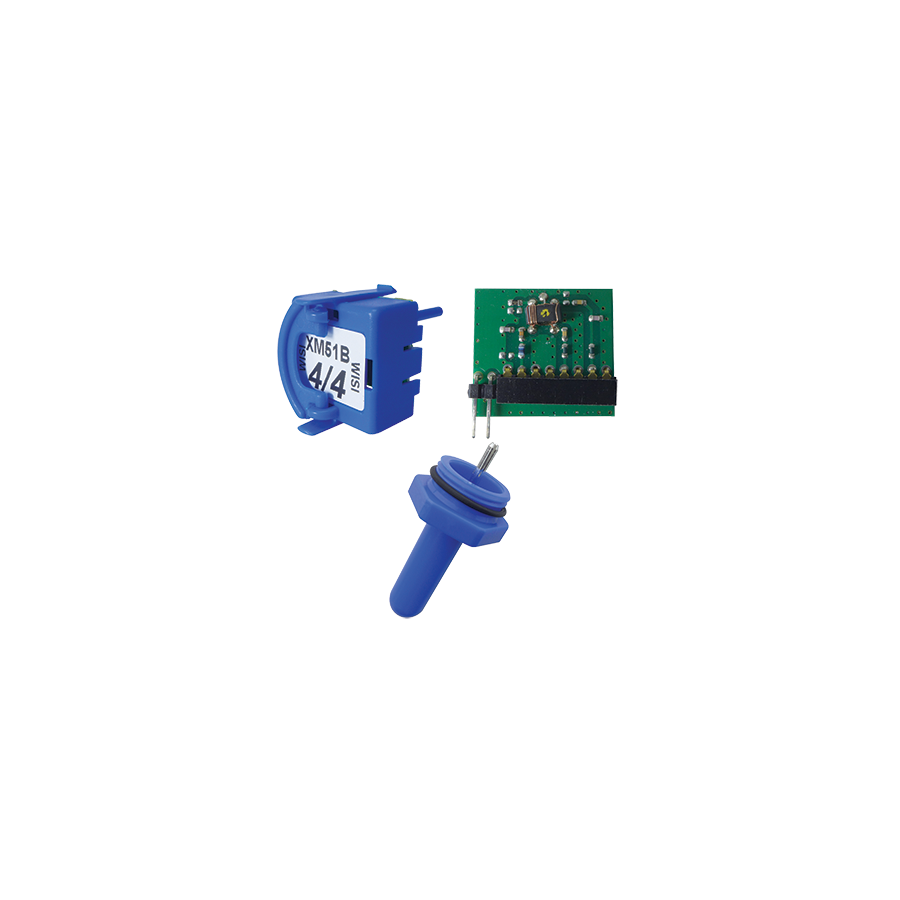
In modern Australian industrial automation, reliability depends on separation. Between the low-voltage logic of a PLC and the high-energy field devices operating motors, solenoids and valves, there must be a protective boundary. Without isolation, a single short circuit or voltage surge can damage expensive control hardware.
Pluggable Signal Modules provide that protective interface. These compact DIN rail modules create electrical separation between control systems and field equipment. They preserve signal integrity while shielding sensitive electronics from electrical noise and transient spikes common in heavy industry.
At SCHNAP Electric Products, we support switchboard builders and automation engineers with reliable, high-density interface solutions designed for Australian industrial conditions.
The core function of Pluggable Signal Modules is galvanic isolation. This principle allows signals to transfer between two circuits without direct electrical connection.
In electromechanical relays, isolation occurs through magnetic coupling between coil and contact. In solid state modules, isolation is achieved through optical coupling using an LED and phototransistor arrangement.
This separation prevents back electromotive force from travelling into PLC output cards. When inductive loads such as contactors or solenoids switch off, they generate voltage spikes. Without isolation, these spikes can damage transistor outputs.
Galvanic isolation also eliminates ground loops. In large facilities where earth potential differences exist between control rooms and field sensors, isolation prevents erratic signal readings and unwanted interference.
Traditional relay installations required complete rewiring when failure occurred. Pluggable Signal Modules separate the active switching element from the wired base.
If a relay fails, the technician simply removes the module and inserts a replacement without disturbing the terminal wiring. This reduces Mean Time To Repair and minimises wiring errors during maintenance.
In continuous process industries such as mining, food processing and water treatment, reduced downtime directly supports productivity.
The modular approach enhances serviceability without compromising safety.
Selecting the correct contact material is essential for reliable switching. Different loads impose different stresses on relay contacts.
For general resistive loads, silver nickel contacts provide durability and stable performance.
Capacitive loads, such as LED drivers and switch mode power supplies, produce high inrush current. In these applications, silver tin oxide contacts resist contact welding and maintain consistent switching integrity.
For low-level signal circuits, gold-plated contacts prevent oxidation and maintain low resistance. This is particularly important for digital input signals in building management systems and sensitive control circuits.
Correct contact selection ensures long-term performance and reduces unexpected failures.
Electromechanical relays are robust and widely used. However, they have a finite mechanical life cycle due to moving parts.
In high-frequency switching applications such as heater control or rapid signal cycling, solid state modules provide superior longevity. These modules use semiconductor devices such as triacs or MOSFETs to switch loads without mechanical movement.
Solid state designs offer silent operation and virtually unlimited switching cycles. However, they generate heat and require adequate thermal management.
SCHNAP Electric Products supports installations with compact modules designed for efficient heat dissipation within high-density panels.
Modern control panels prioritise compact layouts. Standard pluggable modules often feature slim 6.2mm profiles, allowing high channel density on a single DIN rail.
However, dense wiring can increase installation time. Using plug-in jumper bars simplifies commoning connections across multiple relay bases.
SCHNAP Electric Products provides comb-style jumper systems that reduce wiring complexity and improve panel organisation.
Clear identification is equally important. Snap-in marker tags support precise labelling aligned with P&ID loop references, improving fault finding and long-term maintenance efficiency.
Control panels often contain both low-voltage DC circuits and higher voltage AC outputs. Proper segregation is mandatory under AS/NZS 3000.
Separation plates and end clamps maintain safe physical division between circuits of different voltage classes.
Modules must carry appropriate insulation ratings, often 4kV coil-to-contact isolation, to ensure safety and regulatory compliance.
Working with a specialist electrical wholesaler ensures the supplied modules meet IEC and UL standards required for Australian industrial projects.
Pluggable Signal Modules are widely used in conveyor systems, pump stations, water treatment facilities and manufacturing lines.
In mining operations, they protect PLC outputs controlling heavy-duty motors. In food processing plants, they isolate temperature sensors and valve controls from central control systems.
In building automation, they provide reliable interface points between low-voltage control networks and lighting or HVAC loads.
Across sectors, isolation and signal integrity remain fundamental to operational reliability.
At SCHNAP Electric Products, our focus is on supporting automation professionals with reliable and compliant infrastructure.
We provide high-quality relay modules, jumper systems, separation accessories and DIN rail hardware suited for demanding environments.
By supplying tested components through professional channels, we ensure that control panels meet Australian installation standards and perform reliably over time.
Reliable automation begins with dependable interface protection.
Routine inspection of relay modules supports long-term system stability.
Technicians should monitor contact wear in electromechanical units and ensure solid state modules remain within specified thermal limits.
Periodic thermal imaging of control panels can identify loose terminals or overheating components before failure occurs.
Using quality components from a trusted electrical wholesaler reduces maintenance frequency and improves overall panel reliability.
Pluggable Signal Modules are critical components in industrial automation systems. They provide galvanic isolation, protect sensitive PLC inputs and outputs, and simplify maintenance through modular design.
Correct contact selection, compliant installation and proper segregation ensure safe and reliable operation.
By sourcing interface modules and supporting accessories through SCHNAP Electric Products, automation professionals build control systems that are compact, maintainable and electrically resilient.
In industrial control, separation is protection.

SCHNAP Electrical Wholesaler - clear, upfront pricing that professional electricians trust

Get what you need in seconds. SCHNAP electrical wholesaler makes ordering quick and simple

Fast delivery anywhere - that's guaranteed. SCHNAP electrical wholesalers ship nationwide with same-day dispatch

Track your order every step of the way. SCHNAP electrical wholesale keeps you updated from click to delivery

SCHNAP is Australia's premier electrical wholesaler and electrical supplies, marketing thousands of quality products from leading brands. Trusted for nearly two decades by licensed electricians, contractors, and engineers, our range covers everything from basic electrical components to complex industrial electrical equipment
Our key categories include: LED lighting, designer switches, commercial switchboards, circuit protection, security systems & CCTV, and smart home automation
All products are certified to Australian standards (AS/NZS), backed by our 30-day, no-questions-asked return policy. Our expert technical team helps you quickly source the right solution for any residential, commercial, or industrial project, with daily dispatch from our Sydney electrical warehouse delivering Australia-wide
SCHNAP offers the most comprehensive electrical product range, with full technical specifications, application details, installation requirements, compliance standards, and warranties — giving professionals total confidence in every purchase


Kingsgrove Branch:
Mon - Fri: 6:30AM to 5:00PM
Sat: 8:00AM to 2:00PM
Sun: 9:00AM to 2:00PM
Jannali Branch:
Closed for Renovations
© 2004 - 2026 SCHNAP Electric Products