

Kingsgrove Branch:


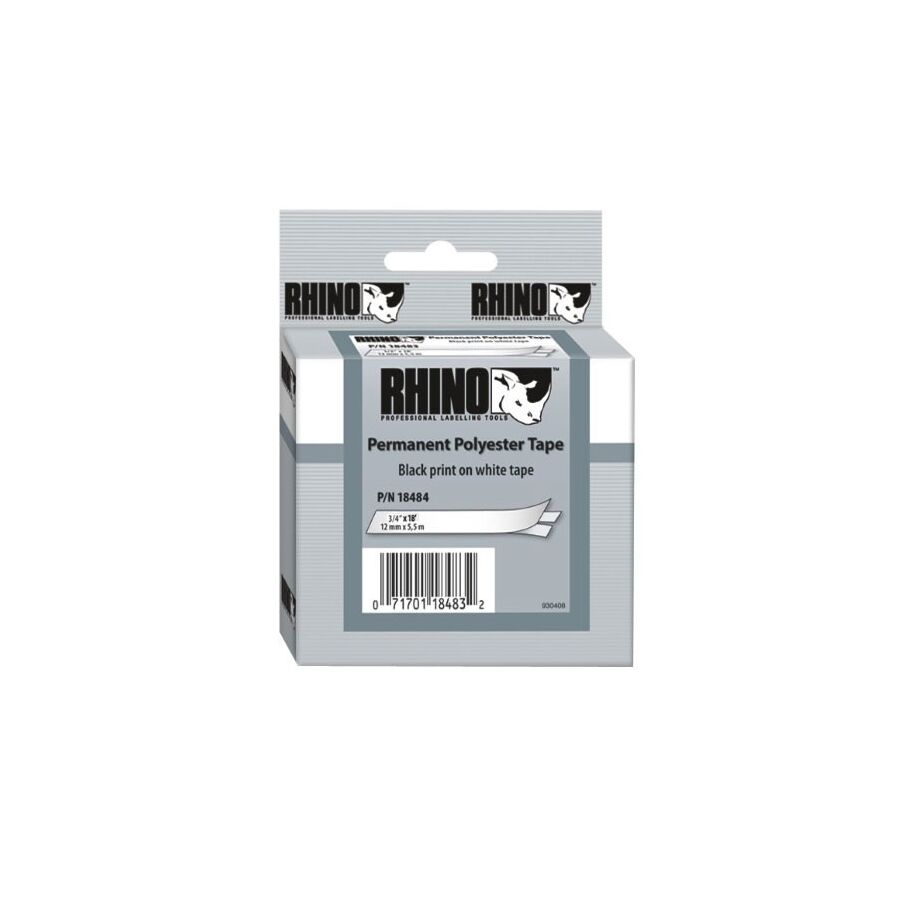
In the demanding sectors of Australian manufacturing, from the heavy industrial motor rewind workshops of the Hunter Valley to the precision powder coating lines of Melbourne, the selection of adhesive media is a critical engineering decision. While generic vinyl or paper tapes suffice for ambient applications, extreme thermal and chemical environments require a substrate with superior dimensional stability and dielectric strength. This is the domain of polyester tape. Technically referred to as Polyethylene Terephthalate (PET) tape, this material is characterised by its exceptionally thin profile, high tensile strength, and resistance to shrinking or melting at elevated temperatures. For electrical engineers, surface finishers, and procurement officers, understanding the distinction between silicone and acrylic adhesive systems, as well as the dielectric breakdown voltage of the PET film, is essential for maintaining process integrity and product quality.
The primary advantage of polyester film in electrical engineering is its "space factor." In the winding of transformers and electric motors, space is at a premium. Insulation materials must provide robust electrical isolation without adding excessive bulk that would prevent the copper windings from fitting within the stator slots or core windows.
Polyester film is inherently tough and thin, typically ranging from 25 microns to 50 microns. Despite this low profile, it offers a substantial dielectric breakdown voltage, often exceeding 5,000 volts per single layer. This allows motor rewinders to insulate connections and hold down coil ends without compromising the thermal dissipation of the assembly. Furthermore, the film is resistant to the chemical attack of varnishes and resins used in the vacuum pressure impregnation (VPI) process. When procuring these insulating materials from a dedicated electrical wholesaler, engineers specifically request PET tape due to its ability to survive the baking cycle of the varnish without degrading or losing adhesion.
In the surface finishing industry, particularly powder coating and anodising, polyester tape is the industry standard for masking. Often distinctively coloured green or blue to identify the adhesive type, these tapes must withstand curing ovens operating at temperatures up to 204°C (400°F) for extended periods.
The crucial performance metric here is "clean removal." A tape that survives the oven but leaves a sticky residue on the component causes a quality control failure, necessitating costly rework or chemical cleaning. This capability is dictated by the adhesive chemistry. High-quality masking tapes utilise a cross-linked silicone adhesive system. Silicone possesses exceptional thermal stability and does not carbonise or flow at high temperatures. This ensures that when the tape is peeled off after the bake cycle, the masking line is sharp, and the metal surface underneath remains pristine. Schnap Electric Products supplies a range of high-temperature masking solutions designed to meet these rigorous finishing standards, ensuring that Australian fabricators can achieve a defect-free finish on architectural aluminium and automotive components.
Topical authority on industrial tapes requires a clear distinction between the two primary adhesive systems used on polyester backings. The choice between silicone and acrylic dictates the tape's suitability for the application.
Schnap Electric Products manufactures specific grades of polyester tape featuring thermosetting rubber and acrylic adhesives for coil wrapping applications where oil resistance is paramount, such as in oil-filled distribution transformers.
Beyond electrical and finishing applications, polyester tape is critical in the printing and converting industries for "splicing." When a large roll of paper or plastic film is running through a high-speed printing press, the transition from an expiring roll to a new roll must be seamless to prevent machine downtime.
The high tensile strength of the polyester backing ensures that the splice does not snap under the immense tension of the web. These tapes often feature a "split liner" to facilitate rapid application. The shear strength of the adhesive must be sufficient to hold the materials together as they pass over rollers and through drying ovens.
Industrial environments in Australia are frequently exposed to harsh chemicals. In mining applications, cables and components may be exposed to hydraulic fluids, diesel, and acidic slurry. Polyester is chemically inert to most common solvents and hydrocarbons.
This chemical resistance makes it an ideal protective wrap for cable labels or identification markers that might otherwise be erased by solvent exposure. By applying a clear layer of Schnap Electric Products polyester tape over a printed label, the text is encapsulated and protected from abrasion and chemical attack. This ensures that safety warnings and circuit identifications remain legible for the life of the asset, complying with maintenance standards.
The utility of PET tape extends far beyond simple fastening; it is a high-performance engineering tool. Whether serving as a dielectric barrier in a high-voltage transformer, acting as a precise mask in a powder coating oven, or securing a splice in a high-speed web press, the material's properties are non-negotiable. Its effectiveness relies on the correct selection of film thickness and adhesive chemistry. By understanding the thermal limits of silicone versus acrylic systems and utilizing high-quality consumables from trusted brands like Schnap Electric Products, industry professionals can ensure that their manufacturing processes remain efficient, reliable, and compliant with the highest quality standards. In the science of adhesion, polyester provides the stability required for precision.

SCHNAP Electrical Wholesaler - clear, upfront pricing that professional electricians trust

Get what you need in seconds. SCHNAP electrical wholesaler makes ordering quick and simple

Fast delivery anywhere - that's guaranteed. SCHNAP electrical wholesalers ship nationwide with same-day dispatch

Track your order every step of the way. SCHNAP electrical wholesale keeps you updated from click to delivery

SCHNAP is Australia's premier electrical wholesaler and electrical supplies, marketing thousands of quality products from leading brands. Trusted for nearly two decades by licensed electricians, contractors, and engineers, our range covers everything from basic electrical components to complex industrial electrical equipment
Our key categories include: LED lighting, designer switches, commercial switchboards, circuit protection, security systems & CCTV, and smart home automation
All products are certified to Australian standards (AS/NZS), backed by our 30-day, no-questions-asked return policy. Our expert technical team helps you quickly source the right solution for any residential, commercial, or industrial project, with daily dispatch from our Sydney electrical warehouse delivering Australia-wide
SCHNAP offers the most comprehensive electrical product range, with full technical specifications, application details, installation requirements, compliance standards, and warranties — giving professionals total confidence in every purchase


Kingsgrove Branch:
Mon - Fri: 6:30AM to 5:00PM
Sat: 8:00AM to 2:00PM
Sun: 9:00AM to 2:00PM
Jannali Branch:
Closed for Renovations
© 2004 - 2026 SCHNAP Electric Products