

Kingsgrove Branch:


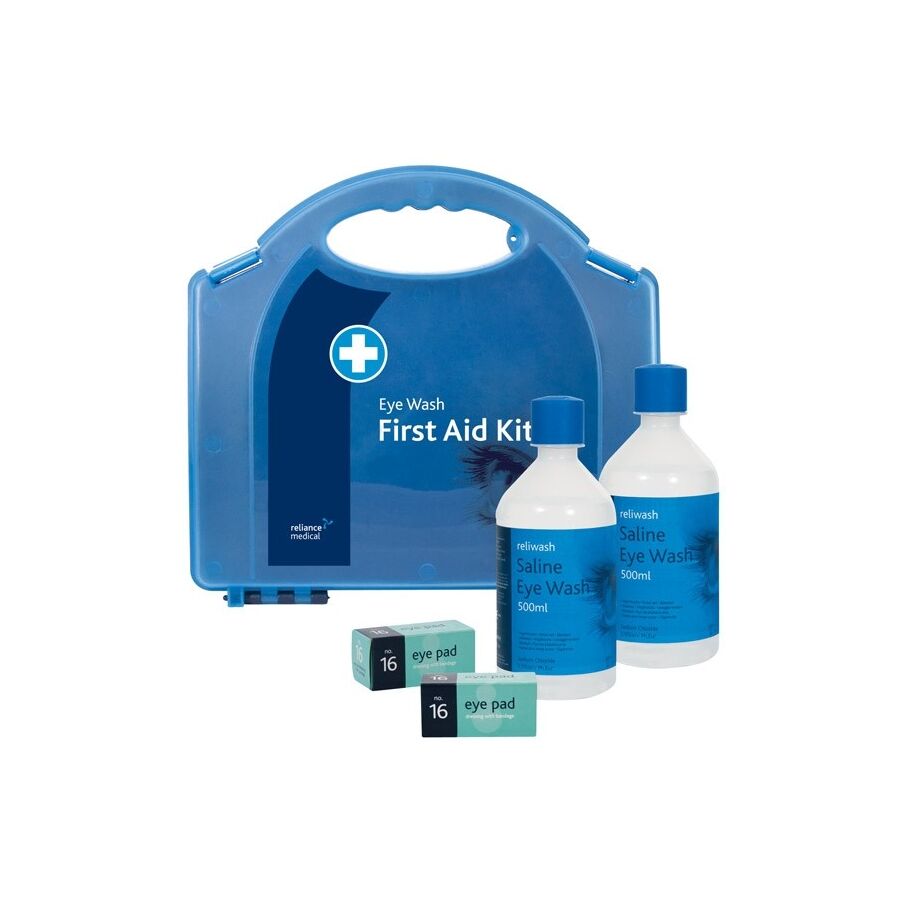
Across Australia’s industrial zones—from data centres to remote mine sites—the risk of eye injury from chemicals or flying particles is a constant threat. Whether it’s a splash of acid or airborne debris, the first 10–15 seconds after exposure can decide whether an injury leads to recovery or permanent vision loss.
But what happens when there’s no plumbing nearby? Installing mains water lines in remote areas can be costly or impossible. The solution is a Portable Eye Wash Station—a self-contained, safety-compliant unit that delivers immediate flushing, regardless of location.
Australia’s AS 4775 standard sets strict rules for emergency eye wash systems. A compliant unit must:
This is not just about spraying water. A high-pressure jet, like from a hose, can push chemicals deeper into the eye. A compliant eye wash station floods the eyes gently, washing out contaminants without causing further injury.
Portable stations store water for long periods. That means there’s a risk of bacteria or even dangerous microbes like Acanthamoeba growing inside the tank.
To prevent this, reputable stations are filled with potable water mixed with a bacteriostatic preservative—extending its usability to about six months. Some models use sealed sterile saline cartridges instead.
No matter the type, all units must display a service tag showing when the tank was last filled and when it’s due for replacement. Think of it like “test and tag” for electrical safety—except this time, for your eyes.
Australian weather is extreme. In the outback, water left in a plastic tank can heat to over 50°C—hot enough to cause further damage to injured eyes. In alpine regions, water can freeze, rendering the unit useless.
AS 4775 requires the flushing fluid to be between 15.6°C and 37.8°C—that’s tepid, not freezing or scalding. That’s where thermal protection comes in.
Schnap Electric Products provides UV-stabilised enclosures and thermal housings that protect these stations from the elements. Their rugged steel cabinets not only keep the water at a safe temperature—they also prevent physical damage from tools, machinery, or forklift impact.
In an emergency, the injured person may not be able to see clearly. The station must be easy to find, easy to use, and within 10 seconds’ travel time of the hazard.
That’s why compliant units use bright colours like green or yellow, with AS 1319-compliant signage. Activation is simple—often a one-step pull-down tray or push handle, designed so it can be triggered even by someone in severe pain or partial blindness.
The unit must be on the same level—no stairs or obstacles between the work zone and the station.
There are many non-compliant products on the market that look right but fail performance tests—either they don’t last 15 minutes, or their nozzles clog easily.
To avoid this, safety managers source their equipment from specialised electrical wholesaler. These suppliers ensure:
For trusted sourcing, wholesalers often stock these stations alongside safety gear, first aid kits, and switchgear—ensuring full WHS coverage from a single provider.
The Portable Eye Wash Station is a frontline defence against chemical blindness. It fills the gap when plumbing isn’t an option, delivering life-saving irrigation right when it’s needed most.
By using gravity-fed, compliant flow systems, maintaining clean water with bacteriostatic agents, and housing units in Schnap Electric Products’ industrial-grade enclosures, safety professionals can protect their workforce in any environment—from the heart of Sydney to the most remote mining sites.
When it comes to eye safety, proximity and reliability are everything.

SCHNAP Electrical Wholesaler - clear, upfront pricing that professional electricians trust

Get what you need in seconds. SCHNAP electrical wholesaler makes ordering quick and simple

Fast delivery anywhere - that's guaranteed. SCHNAP electrical wholesalers ship nationwide with same-day dispatch

Track your order every step of the way. SCHNAP electrical wholesale keeps you updated from click to delivery

SCHNAP is Australia's premier electrical wholesaler and electrical supplies, marketing thousands of quality products from leading brands. Trusted for nearly two decades by licensed electricians, contractors, and engineers, our range covers everything from basic electrical components to complex industrial electrical equipment
Our key categories include: LED lighting, designer switches, commercial switchboards, circuit protection, security systems & CCTV, and smart home automation
All products are certified to Australian standards (AS/NZS), backed by our 30-day, no-questions-asked return policy. Our expert technical team helps you quickly source the right solution for any residential, commercial, or industrial project, with daily dispatch from our Sydney electrical warehouse delivering Australia-wide
SCHNAP offers the most comprehensive electrical product range, with full technical specifications, application details, installation requirements, compliance standards, and warranties — giving professionals total confidence in every purchase


Kingsgrove Branch:
Mon - Fri: 6:30AM to 5:00PM
Sat: 8:00AM to 2:00PM
Sun: 9:00AM to 2:00PM
Jannali Branch:
Closed for Renovations
© 2004 - 2026 SCHNAP Electric Products