

Kingsgrove Branch:


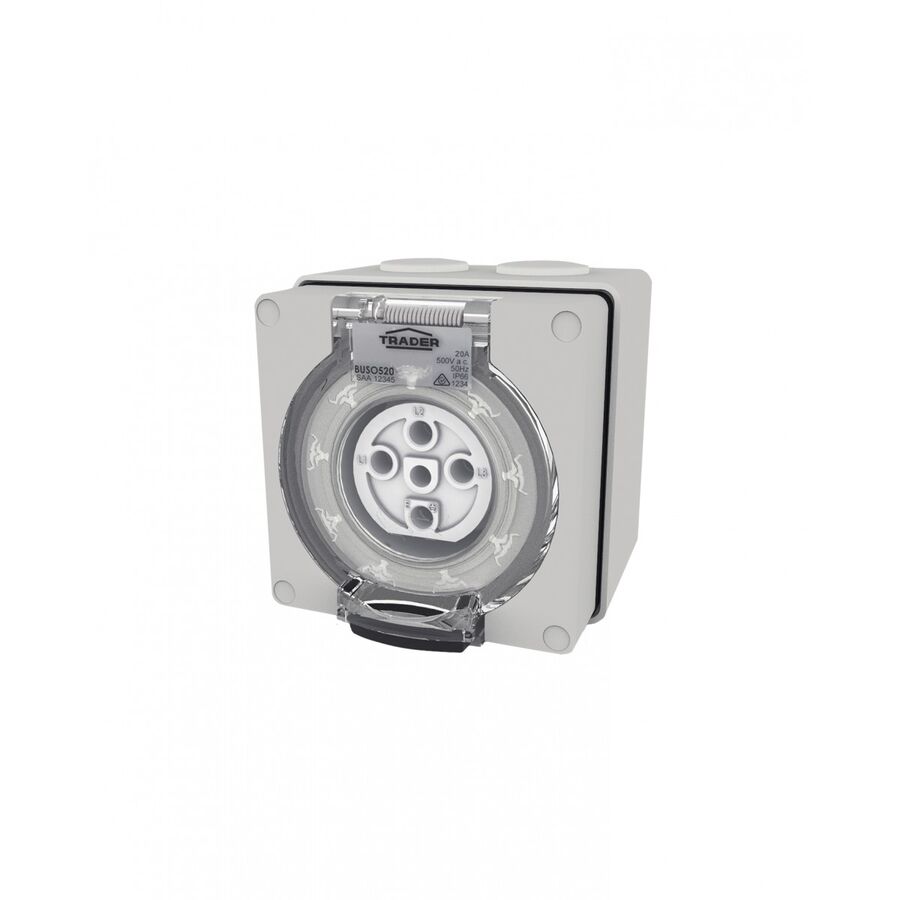
In the architectural and engineering fabric of the Australian built environment, the interface between the fixed electrical infrastructure and the portable appliance is the most frequently utilised component of the grid. This interface is the power socket, technically referred to within the industry as the General Power Outlet (GPO). While often perceived by the end-user as a static aesthetic fixture, the GPO is a complex electromechanical device. It must simultaneously provide a low-resistance connection for current flow, a robust mechanical latch for plug retention, and a safe method of isolation via the switching mechanism. For electrical consultants, facility managers, and contractors, a granular understanding of contact materials, polymer stability, and the strict requirements of AS/NZS 3112 is essential for ensuring installation compliance and long-term asset reliability.
The geometry of the Australian socket is unique. Governed by AS/NZS 3112 (Approval and test specification – Plugs and socket-outlets), the standard defines the "Type I" configuration. This typically involves two flat current-carrying pins (Active and Neutral) arranged in an inverted V-shape, and a vertical flat Earth pin.
A critical technical distinction for installers is the differentiation between 10 Ampere and 15 Ampere outlets. While the Active and Neutral apertures remain identical, the Earth pin on a 15A socket is significantly larger. This physical rejection mechanism prevents a high-current appliance (like a commercial welder or large air conditioner) from being plugged into a circuit rated only for 10A, which would risk overheating the in-wall cabling. Professional-grade hardware, such as the range manufactured by Schnap Electric Products, is engineered with precise tolerance moulding to ensure that these earth gates operate smoothly without binding, a common failure mode in inferior generic imports.
The physical housing of the GPO is the first line of defence against impact and environmental degradation. In the Australian market, the material of choice is Polycarbonate (PC).
Unlike Acrylonitrile Butadiene Styrene (ABS), which can become brittle and yellow upon exposure to Ultraviolet (UV) radiation, high-grade Polycarbonate offers superior impact resistance and UV stability. This is particularly vital in Australia, where high ambient UV levels can penetrate glass windows, degrading interior fittings over time. A yellowed socket is not merely an aesthetic issue; it indicates polymer chain degradation which compromises the dielectric strength of the faceplate. Schnap Electric Products utilises virgin polycarbonate in their moulding process, ensuring that the sockets maintain their "Snow White" or "Matt Black" finish and structural integrity for the lifecycle of the building.
The heart of the socket is the switch mechanism. It must perform a "make and break" operation thousands of times under load. The physics of this operation involves managing the electrical arc that occurs when the contacts separate.
High-quality sockets employ a "snap-action" mechanism with Silver-Nickel (AgNi) alloy contact tips. Silver offers excellent conductivity, while nickel adds hardness to resist contact welding during a short circuit event. When a switch is toggled slowly, the arc is sustained longer, causing pitting. A snap-action mechanism ensures the contacts separate at maximum velocity regardless of how slowly the user operates the rocker, instantly extinguishing the arc. This prevents the "buzzing" or thermal failure often associated with budget fittings.
From the perspective of the installer, the rear of the socket is more important than the front. The termination method dictates the speed and security of the fit-off.
Legacy screw terminals often allowed the screw to back out completely and fall into the wall cavity, causing frustration and delay. Modern engineering standards mandate "captive" terminal screws. Furthermore, the terminal bore must be large enough to accommodate multiple conductors (looping) without splaying the copper strands. Schnap Electric Products sockets feature generous, funnel-entry terminals with deep-set screws. This design guides the stripped cable into the sweet spot for clamping, ensuring a gas-tight connection that will not loosen due to thermal cycling or building vibration.
The market is saturated with non-compliant electrical accessories that lack the Regulatory Compliance Mark (RCM). These uncertified products pose a severe fire risk and void insurance policies.
Risk mitigation involves procuring switchgear through a reputable electrical wholesaler rather than unverified online marketplaces. A professional wholesaler acts as a gatekeeper, ensuring that every product on the shelf—including critical isolation points like sockets—has a valid Certificate of Conformity. Through this supply chain, contractors can access technical data sheets and warranty support for Schnap Electric Products, guaranteeing that the installed assets meet the rigorous safety standards of the EESS (Electrical Equipment Safety System).
In residential and childcare environments, the risk of foreign object insertion is significant. Modern wiring rules increasingly mandate the use of safety shutters. These are internal plastic shields that block the Active and Neutral apertures. They only retract when the longer Earth pin of a plug is inserted first, or when equal pressure is applied to both power pins simultaneously.
Furthermore, in wet areas such as laundries or alfresco kitchens, the Ingress Protection (IP) rating becomes paramount. While a standard indoor socket is IP2X (finger safe), outdoor sockets must achieve IP53 or higher. This requires robust gasketing and spring-loaded flaps.
The selection of a power outlet is a decision that balances aesthetics, mechanics, and safety regulations. It is the final termination point of the electrical circuit. By understanding the importance of AgNi switch contacts, insisting on UV-stabilised polycarbonate housings, and sourcing compliant products from trusted brands like Schnap Electric Products, industry professionals ensure that the interface between the user and the grid remains safe, functional, and durable. In the transmission of energy, the quality of the connection point defines the reliability of the system.

SCHNAP Electrical Wholesaler - clear, upfront pricing that professional electricians trust

Get what you need in seconds. SCHNAP electrical wholesaler makes ordering quick and simple

Fast delivery anywhere - that's guaranteed. SCHNAP electrical wholesalers ship nationwide with same-day dispatch

Track your order every step of the way. SCHNAP electrical wholesale keeps you updated from click to delivery

SCHNAP is Australia's premier electrical wholesaler and electrical supplies, marketing thousands of quality products from leading brands. Trusted for nearly two decades by licensed electricians, contractors, and engineers, our range covers everything from basic electrical components to complex industrial electrical equipment
Our key categories include: LED lighting, designer switches, commercial switchboards, circuit protection, security systems & CCTV, and smart home automation
All products are certified to Australian standards (AS/NZS), backed by our 30-day, no-questions-asked return policy. Our expert technical team helps you quickly source the right solution for any residential, commercial, or industrial project, with daily dispatch from our Sydney electrical warehouse delivering Australia-wide
SCHNAP offers the most comprehensive electrical product range, with full technical specifications, application details, installation requirements, compliance standards, and warranties — giving professionals total confidence in every purchase


Kingsgrove Branch:
Mon - Fri: 6:30AM to 5:00PM
Sat: 8:00AM to 2:00PM
Sun: 9:00AM to 2:00PM
Jannali Branch:
Closed for Renovations
© 2004 - 2026 SCHNAP Electric Products