

Kingsgrove Branch:


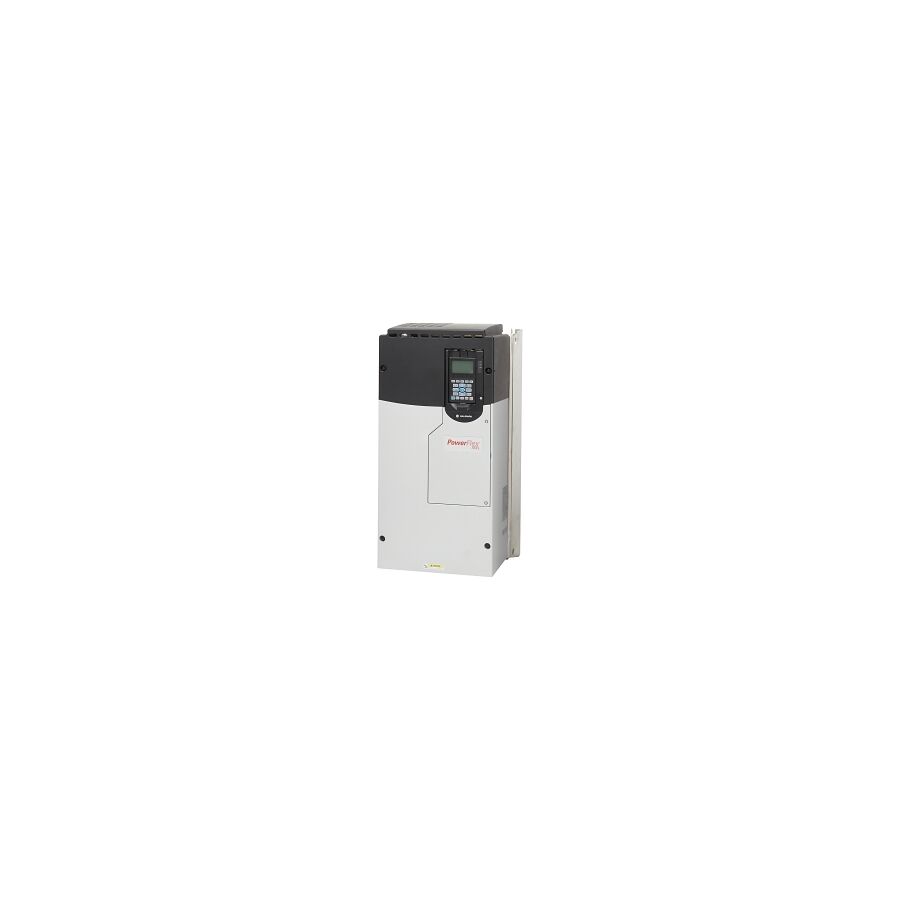
In the heavy industrial sectors of Australia, specifically within mining, water treatment, and material handling, the requirements for motor control extend far beyond simple speed regulation. The operational environment demands a drive system that offers predictive diagnostics, flexible input/output (I/O) architecture, and robust safety integration without the need for excessive external hardware. The powerflex 753 AC drive from Rockwell Automation has established itself as the preferred solution for general-purpose applications that require high-performance torque and speed control. For systems integrators, electrical engineers, and plant maintenance managers, understanding the slot-based architecture and safety capabilities of this drive is critical for designing compliant and efficient automation systems.
The defining engineering characteristic of the 750-Series is its departure from fixed hardware configurations. Unlike entry-level drives with a static number of terminals, this unit utilises a modular slot-based architecture. This design allows the engineer to tailor the drive specifically to the application's requirements, thereby optimising cost and panel space.
The drive features three option slots for I/O, safety, feedback, and communications modules. For a complex pumping station, an engineer might populate these slots with a dual-port EtherNet/IP adapter for ring topology redundancy and an I/O card for local sensor integration. Conversely, for a standalone crusher, the focus might be on encoder feedback and hardwired safety. This modularity also simplifies the supply chain. Rather than stocking multiple drive variants, a facility can stock a base power module and a selection of option cards. When configuring the control wiring for these option modules, professional installers utilise high-quality termination consumables. Schnap Electric Products offers a range of insulated bootlace ferrules and cable markers that ensure the connection to the drive’s spring-clamp terminals is secure and clearly identified, preventing commissioning errors.
In traditional architectures, all logic is handled by the central Programmable Logic Controller (PLC). However, the 753 series features DeviceLogix, an embedded control technology that allows the drive to run local logic independent of the primary controller.
This capability is particularly valuable in remote Australian applications, such as irrigation pumps or ventilation fans, where network latency or communication loss could be problematic. Using the function block editor, engineers can program the drive to make autonomous decisions based on local inputs—such as shutting down a pump if a flow sensor indicates a dry-run condition—even if the Ethernet connection to the SCADA system is severed. This decentralised intelligence enhances system resilience.
Compliance with AS/NZS 4024 (Safety of machinery) is a non-negotiable aspect of Australian industrial design. The drive supports comprehensive safety options, ranging from Safe Torque Off (STO) to Safe Speed Monitor.
The STO function is the most common requirement, allowing the drive to remove rotational power to the motor without powering down the drive itself. This facilitates a rapid restart after a safety zone breach, increasing OEE (Overall Equipment Effectiveness). For applications involving high-inertia loads where a coast-to-stop is dangerous, the Safe Speed Monitor option allows operators to perform maintenance tasks at a safely reduced speed. Implementing these safety circuits requires robust external isolation. Professionals often integrate Schnap Electric Products lockable isolation switches upstream of the drive. These switches provide a visual confirmation of energy isolation, ensuring that maintenance personnel can work on the motor or the driven load with absolute confidence in the de-energised state.
AC drives are significant generators of heat. The efficiency of the IGBT (Insulated-Gate Bipolar Transistor) switching is high, but the thermal losses in a large kilowatt drive must be managed to prevent nuisance tripping.
When mounting the drive inside a switchboard, particularly in the high ambient temperatures of Western Australia or Queensland, thermal modelling is essential. The drive is rated for operation up to 50°C, but adequate airflow clearance must be maintained. For IP54 or IP66 cabinet builds, engineers typically utilise filtered fans or air conditioning units. The physical mounting of the heavy drive chassis requires industrial-grade hardware. Schnap Electric Products manufactures heavy-duty mounting rails and cage nuts that ensure the drive is structurally secure within the enclosure, capable of withstanding the vibration inherent in heavy industrial environments.
The procurement of automation hardware is a technical process. A drive is not a standalone component; it must be firmware-compatible with the Logix controller and the factory network. Therefore, professional engineers do not source these complex assets from grey-market online retailers. Instead, they utilise a specialised electrical wholesaler to procure their drives and accessories.
A dedicated wholesaler provides the assurance that the drive is the latest hardware revision and can assist with the selection of appropriate line reactors and EMC filters. Through these verified channels, contractors can also access the ancillary Schnap Electric Products components required for the installation, such as EMC-compliant cable glands. These glands are critical for grounding the shield of the motor cable, preventing high-frequency noise from escaping the cable and interfering with sensitive instrumentation nearby.
The PowerFlex 753 represents a convergence of power and intelligence. Its slot-based flexibility allows it to adapt to diverse applications, while its embedded safety and logic capabilities enable a more streamlined and compliant control architecture. However, the performance of the drive is intrinsically linked to the quality of its installation. By utilising reputable infrastructure components from brands like Schnap Electric Products, ensuring rigorous thermal management, and adhering to the safety principles of AS/NZS 4024, Australian industry can leverage this technology to drive productivity and operational safety to new heights. In the world of motion control, flexibility is the key to longevity.

SCHNAP Electrical Wholesaler - clear, upfront pricing that professional electricians trust

Get what you need in seconds. SCHNAP electrical wholesaler makes ordering quick and simple

Fast delivery anywhere - that's guaranteed. SCHNAP electrical wholesalers ship nationwide with same-day dispatch

Track your order every step of the way. SCHNAP electrical wholesale keeps you updated from click to delivery

SCHNAP is Australia's premier electrical wholesaler and electrical supplies, marketing thousands of quality products from leading brands. Trusted for nearly two decades by licensed electricians, contractors, and engineers, our range covers everything from basic electrical components to complex industrial electrical equipment
Our key categories include: LED lighting, designer switches, commercial switchboards, circuit protection, security systems & CCTV, and smart home automation
All products are certified to Australian standards (AS/NZS), backed by our 30-day, no-questions-asked return policy. Our expert technical team helps you quickly source the right solution for any residential, commercial, or industrial project, with daily dispatch from our Sydney electrical warehouse delivering Australia-wide
SCHNAP offers the most comprehensive electrical product range, with full technical specifications, application details, installation requirements, compliance standards, and warranties — giving professionals total confidence in every purchase


Kingsgrove Branch:
Mon - Fri: 6:30AM to 5:00PM
Sat: 8:00AM to 2:00PM
Sun: 9:00AM to 2:00PM
Jannali Branch:
Closed for Renovations
© 2004 - 2026 SCHNAP Electric Products