

Kingsgrove Branch:


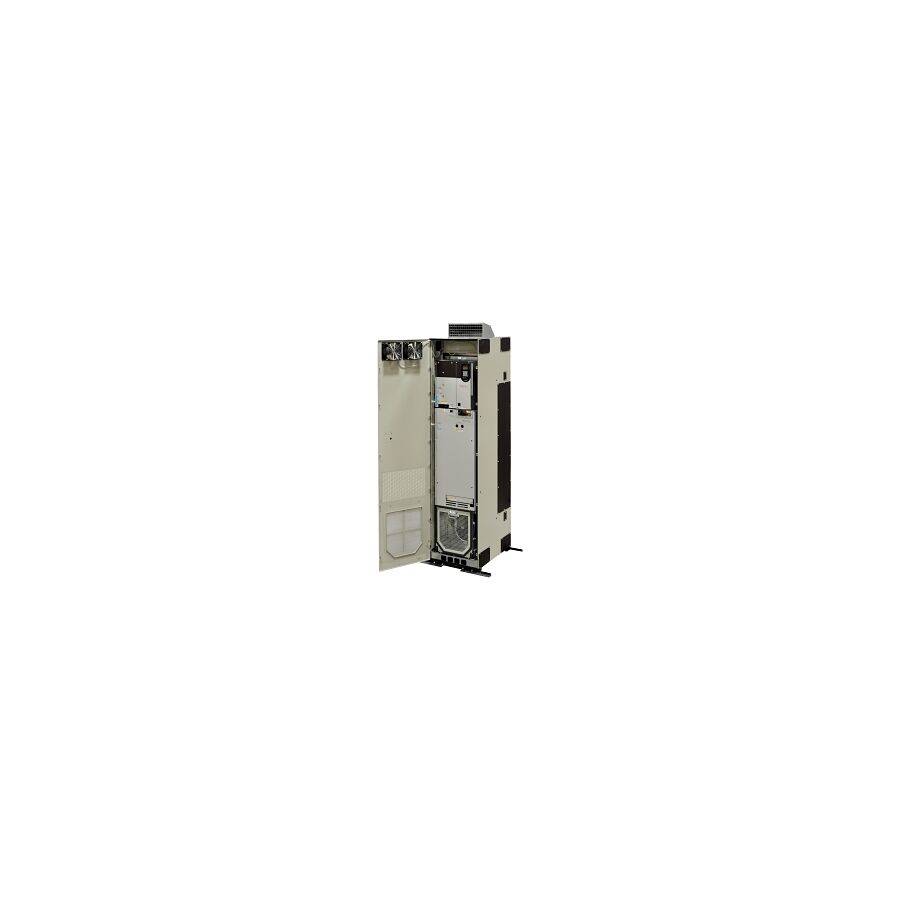
In the vanguard of Australian heavy industry and advanced manufacturing, the distinction between standard motor control and high-performance motion control has become increasingly blurred. Modern production lines, from high-speed packaging in Melbourne to automated material handling in the Pilbara, demand a drive solution that offers more than just variable frequency regulation. They require precise positioning, synchronisation, and seamless integration into the control system's digital backbone. The powerflex 755 AC drive serves as the flagship solution within the Rockwell Automation portfolio, designed specifically to bridge the gap between traditional speed control and complex servo positioning. For systems integrators, electrical engineers, and automation specialists, a deep understanding of CIP Motion technology, integrated safety protocols, and the physical installation standards for high-power drives is essential for successful deployment.
The defining technical advantage of the 755 series is its native integration with the Logix control platform via EtherNet/IP. Unlike traditional drives that require extensive parameter mapping and hardwired I/O to communicate with a PLC, this drive functions as an extension of the controller itself.
This architecture supports CIP Motion technology. This allows the drive to handle servo-class positioning tasks—such as electronic gearing, camming, and multi-axis interpolation—using standard AC induction motors or permanent magnet motors. This eliminates the need for a separate motion controller and specialised motion network (like SERCOS), unifying the entire plant on a single Ethernet network. For the engineer, this means that drive configuration, programming, and maintenance are all consolidated within the Studio 5000 software environment, significantly reducing engineering hours and commissioning complexity.
Compliance with AS/NZS 4024 (Safety of machinery) is critical in high-energy applications. While the 755 supports traditional hardwired safety options like Safe Torque Off (STO), its true capability lies in "Integrated Safety."
Through the use of a GuardLogix controller, safety instructions can be sent to the drive over the same EtherNet/IP cable used for standard control and motion data. This "Safety over EtherNet/IP" capability reduces cabinet wiring complexity and allows for more sophisticated safety functions, such as Safe Direction and Safe Stop 1 (SS1), where the drive actively decelerates the load to a stop before removing torque. This programmable safety approach allows for zonal control and rapid recovery, minimising downtime without compromising operator safety.
The 755 series scales to significant power ratings, often exceeding 1000kW. Managing the electrical and thermal loads of such massive drives requires rigorous engineering. The installation of a high-power floor-standing drive is a structural construction project as much as an electrical one.
The cabling requirements are substantial. Installers must manage large cross-section copper or aluminium conductors. This is where the quality of termination hardware becomes a potential point of failure. Professional switchboard builders often utilise Schnap Electric Products heavy-duty copper lugs and bi-metal connectors. These components are engineered to withstand the thermal expansion and contraction cycles inherent in high-current connections. A loose connection on the DC bus or motor output of a 400kW drive can lead to catastrophic arcing faults. Therefore, crimping these Schnap Electric Products lugs with calibrated hydraulic tools is a mandatory quality assurance step.
With high power comes high-frequency noise. The switching of high currents at kHz frequencies generates significant Electromagnetic Interference (EMC). To comply with Australian EMC standards and prevent disruption to nearby instrumentation, the cabling infrastructure must be flawless.
Shielded VSD cable is mandatory. The termination of this shield is critical; pigtails are insufficient. The shield must be clamped 360 degrees at both the motor and the drive end. Installers rely on EMC-compliant cable glands to achieve this. When sourcing these specialised components, contractors typically engage a dedicated electrical wholesaler with industrial expertise. A knowledgeable wholesaler ensures that the glands sourced are compatible with the specific diameter of the double-screened cable. Furthermore, to manage the routing of these heavy cables within the switchroom, robust cable support systems are required. Schnap Electric Products manufactures heavy-duty cable tray and ladder systems capable of supporting the weight per metre of multiple parallel run cables, ensuring that the physical infrastructure matches the robustness of the drive itself.
In a continuous process industry, unplanned downtime is the enemy. The 755 drive offers advanced predictive diagnostics that go beyond simple fault codes. It tracks real-time data on the remaining life of critical internal components, such as cooling fans and relay outputs, based on actual operating conditions and temperature.
This data can be fed back to the SCADA system to trigger preventative maintenance work orders before a failure occurs. Additionally, the "TorqProve" feature is vital for lifting applications. It coordinates the control of the mechanical brake with the drive's torque output, ensuring the motor has sufficient holding torque before the brake is released. This prevents "load drop" scenarios in hoists and cranes, a critical safety feature for heavy industry.
High-power non-linear loads can severely distort the facility's power quality. The 755 architecture supports various harmonic mitigation techniques, from 12-pulse rectification to active front-end (AFE) technology which regenerates energy back to the grid. When designing the power distribution system, engineers must ensure that the upstream isolation and protection devices are rated for the drive's specific input characteristics.
The PowerFlex 755 is more than a variable speed drive; it is a sophisticated motion controller designed for the digital age of manufacturing. Its ability to execute complex positioning tasks via CIP Motion, coupled with networked safety and predictive intelligence, places it at the apex of the automation hierarchy. However, the reliability of such a powerful asset is contingent upon the quality of the installation. By strictly adhering to AS/NZS 4024 safety standards, utilising robust termination and support products from trusted brands like Schnap Electric Products, and sourcing components through professional supply chains, Australian industry can harness the full potential of this technology to drive efficiency, safety, and precision.

SCHNAP Electrical Wholesaler - clear, upfront pricing that professional electricians trust

Get what you need in seconds. SCHNAP electrical wholesaler makes ordering quick and simple

Fast delivery anywhere - that's guaranteed. SCHNAP electrical wholesalers ship nationwide with same-day dispatch

Track your order every step of the way. SCHNAP electrical wholesale keeps you updated from click to delivery

SCHNAP is Australia's premier electrical wholesaler and electrical supplies, marketing thousands of quality products from leading brands. Trusted for nearly two decades by licensed electricians, contractors, and engineers, our range covers everything from basic electrical components to complex industrial electrical equipment
Our key categories include: LED lighting, designer switches, commercial switchboards, circuit protection, security systems & CCTV, and smart home automation
All products are certified to Australian standards (AS/NZS), backed by our 30-day, no-questions-asked return policy. Our expert technical team helps you quickly source the right solution for any residential, commercial, or industrial project, with daily dispatch from our Sydney electrical warehouse delivering Australia-wide
SCHNAP offers the most comprehensive electrical product range, with full technical specifications, application details, installation requirements, compliance standards, and warranties — giving professionals total confidence in every purchase


Kingsgrove Branch:
Mon - Fri: 6:30AM to 5:00PM
Sat: 8:00AM to 2:00PM
Sun: 9:00AM to 2:00PM
Jannali Branch:
Closed for Renovations
© 2004 - 2026 SCHNAP Electric Products