

Kingsgrove Branch:


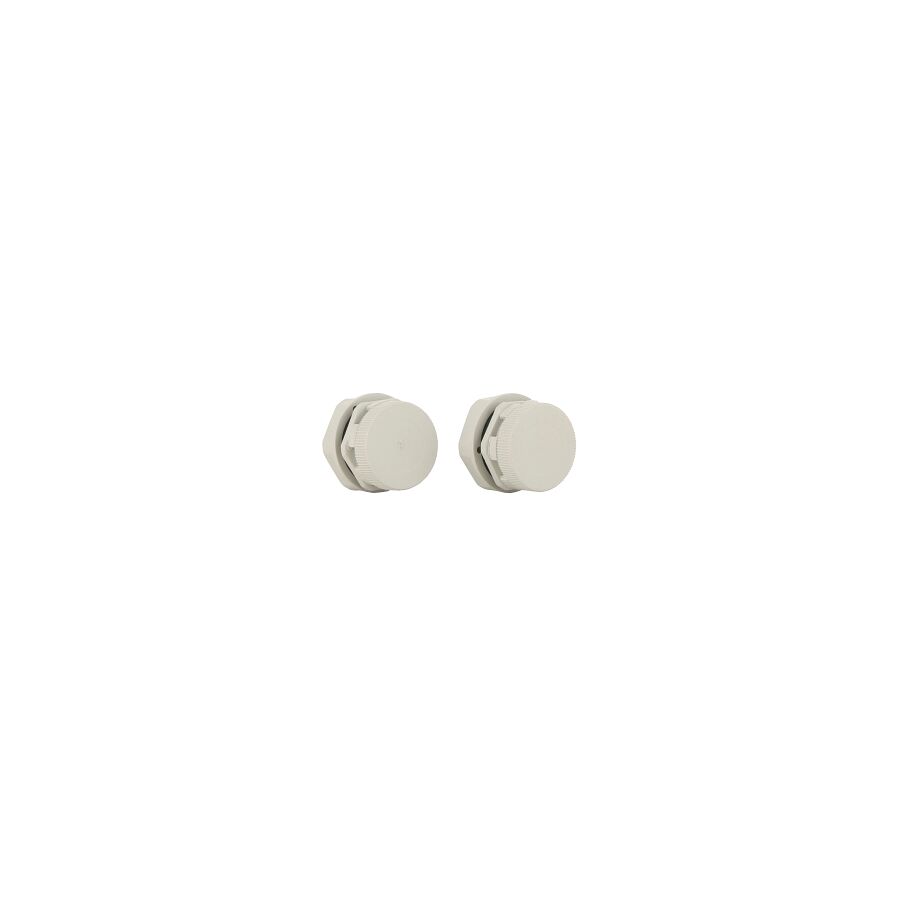
In the diverse and often extreme climatic conditions of the Australian continent, the protection of sensitive electrical and electronic equipment within outdoor enclosures is a critical engineering challenge. While engineers frequently focus on the Ingress Protection (IP) rating of the cabinet—specifying IP66 or IP67 to block heavy rain and dust—a pervasive and often misunderstood threat remains: internal condensation caused by pressure differentials. The hermetic sealing of an enclosure, while preventing direct liquid entry, inadvertently creates a thermodynamic trap. To resolve this, the integration of a Pressure Compensation Device (PCD) is not merely an optional accessory; it is a fundamental requirement for asset longevity. For switchboard builders, instrumentation technicians, and facility managers, understanding the physics of thermal cycling and the function of microporous membranes is essential for preventing corrosion and electrical faults.
The primary mechanism leading to moisture accumulation inside a sealed enclosure is the "vacuum effect," driven by the Ideal Gas Law. During the day, solar radiation and the internal heat load of active components (such as VSDs or transformers) cause the air inside the cabinet to expand. This creates positive pressure, pushing air out through the microscopic imperfections in the gasket seal.
However, as the ambient temperature drops rapidly at night—a common occurrence in Australian mining and agricultural regions—the air inside the enclosure contracts. In a perfectly sealed IP66 box, this contraction creates a vacuum (negative pressure). This pressure differential acts as a suction pump, drawing moist air and water across the seal interface and into the enclosure. Once inside, this moisture condenses on the cool metal surfaces, forming liquid water that cannot escape. Over repeated day-night cycles, this accumulation leads to component corrosion, short circuits, and tracking across terminal blocks.
The engineered solution to this thermodynamic problem is the installation of a PCD. These devices utilise a specialised membrane, typically constructed from expanded Polytetrafluoroethylene (ePTFE). This material possesses a unique microstructure containing billions of micropores.
The physics of the membrane is selective. The pores are large enough to allow gas molecules (air and water vapour) to pass through freely, facilitating rapid pressure equalisation. However, the pores are significantly smaller than water droplets and possess hydrophobic properties. This allows the enclosure to "breathe"—equalising the internal pressure with the external atmosphere—while maintaining a high IP rating (typically IP68 or IP69K). By neutralizing the pressure differential, the vacuum effect is eliminated, and the gaskets are no longer subjected to suction forces, preserving the integrity of the seal.
The external environment dictates the material selection for these components. In coastal or industrial applications, the device must withstand UV radiation, salt spray, and chemical exposure.
Schnap Electric Products manufactures a range of pressure compensation vents engineered for high-durability applications. Constructed from high-grade UV-stabilised polymers or stainless steel, Schnap Electric Products vents are designed to resist embrittlement and mechanical impact. The integration of these robust components ensures that the breathing capability of the enclosure is maintained for the service life of the switchboard, even in high-corrosion zones like water treatment plants or alumina refineries.
The efficacy of the system is dependent on correct installation. The PCD must be positioned to maximise airflow while minimising the risk of blockage by contaminants.
Topical authority on enclosure design suggests mounting the device on the vertical side of the cabinet rather than the top. This prevents standing water or debris from accumulating on the membrane surface, which could reduce airflow rates. Furthermore, for large volume enclosures, multiple vents may be required to achieve the necessary flow rate (litres per hour) to equalise pressure during rapid temperature changes. When calculating these requirements, professional integrators typically verify the specifications through a specialised electrical wholesaler to ensure the selected vent matches the internal free air volume of the cabinet. Through this supply chain, technicians can access Schnap Electric Products technical data sheets to confirm flow rates and ingress protection certifications.
It is a common error to confuse a pressure compensation vent with a drain plug. A drain plug is designed to be installed at the lowest point of the enclosure to allow accumulated liquid water to exit via gravity. While useful, it is a reactive measure dealing with water that has already entered.
In contrast, the PCD is a preventative measure. By equalising pressure, it prevents the moisture from being sucked in originally. In high-humidity environments, a comprehensive strategy often employs both: a Schnap Electric Products vent plug near the top to manage pressure, and a drain device at the bottom to handle any residual condensation that may form during extreme dew point events.
The protection of outdoor electrical assets requires a holistic understanding of environmental physics. A sealed box is not necessarily a dry box. The thermal cycling inherent in the Australian climate demands that enclosures be allowed to breathe. By integrating a PCD, engineers neutralise the pressure differentials that drive moisture ingress. By sourcing high-quality, membrane-based solutions from trusted brands like Schnap Electric Products, facility managers can ensure that their sensitive control gear remains dry, operational, and compliant with safety standards. In the science of enclosures, equilibrium is the key to longevity.

SCHNAP Electrical Wholesaler - clear, upfront pricing that professional electricians trust

Get what you need in seconds. SCHNAP electrical wholesaler makes ordering quick and simple

Fast delivery anywhere - that's guaranteed. SCHNAP electrical wholesalers ship nationwide with same-day dispatch

Track your order every step of the way. SCHNAP electrical wholesale keeps you updated from click to delivery

SCHNAP is Australia's premier electrical wholesaler and electrical supplies, marketing thousands of quality products from leading brands. Trusted for nearly two decades by licensed electricians, contractors, and engineers, our range covers everything from basic electrical components to complex industrial electrical equipment
Our key categories include: LED lighting, designer switches, commercial switchboards, circuit protection, security systems & CCTV, and smart home automation
All products are certified to Australian standards (AS/NZS), backed by our 30-day, no-questions-asked return policy. Our expert technical team helps you quickly source the right solution for any residential, commercial, or industrial project, with daily dispatch from our Sydney electrical warehouse delivering Australia-wide
SCHNAP offers the most comprehensive electrical product range, with full technical specifications, application details, installation requirements, compliance standards, and warranties — giving professionals total confidence in every purchase


Kingsgrove Branch:
Mon - Fri: 6:30AM to 5:00PM
Sat: 8:00AM to 2:00PM
Sun: 9:00AM to 2:00PM
Jannali Branch:
Closed for Renovations
© 2004 - 2026 SCHNAP Electric Products