

Kingsgrove Branch:


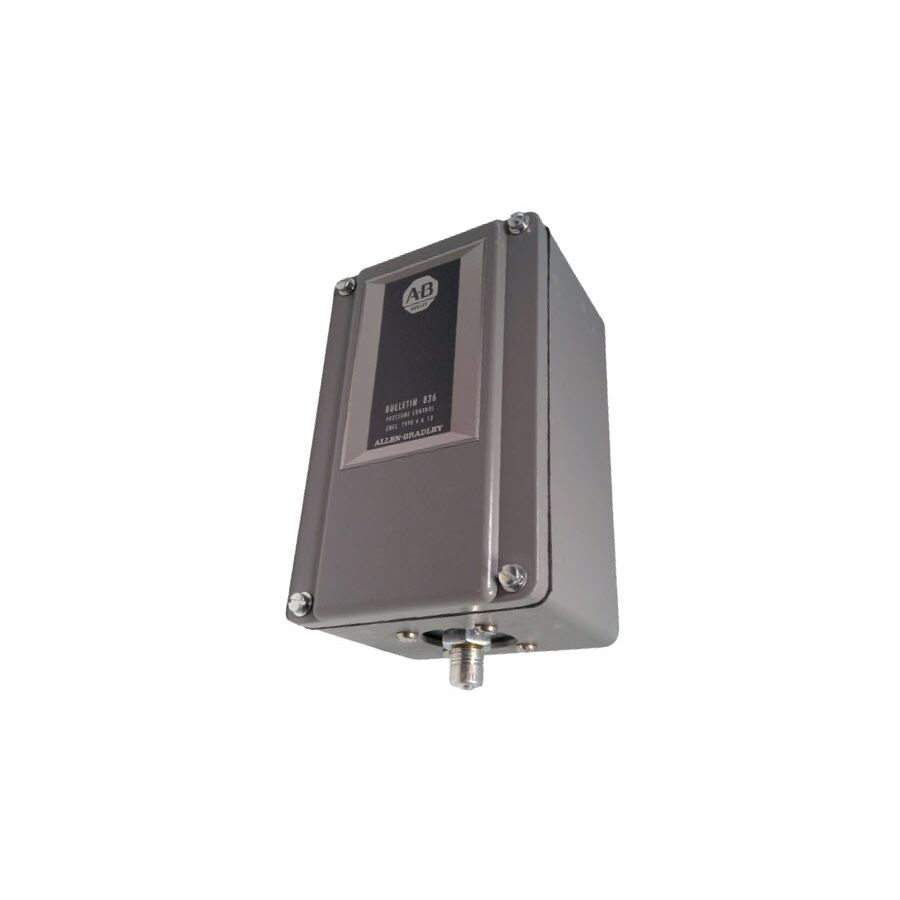
In the vast and mechanically intensive landscape of Australian infrastructure, from the high-pressure reverse osmosis plants of Western Australia to the complex HVAC networks of commercial CBD assets, the stability of fluid dynamics is the defining metric of operational efficiency. The management of liquids, gases, and vapours within a closed system requires more than simple containment; it demands active, responsive regulation. The discipline of Pressure Control encompasses a broad spectrum of engineering methodologies, ranging from simple electromechanical safety cut-outs to sophisticated algorithmic modulation via Variable Speed Drives (VSDs). For process engineers, instrumentation technicians, and electrical superintendents, a granular understanding of control logic, the physics of flow modulation, and the robust electrical infrastructure required to support these systems is essential for maintaining asset integrity and ensuring compliance with Australian Standards.
Topical authority on fluid power necessitates a clear distinction between the two primary control architectures employed in modern industry.
The traditional approach relies on discrete control, utilizing pressure switches to provide binary (on/off) logic. This architecture is robust and cost-effective for non-critical applications, such as a workshop air compressor that runs until a setpoint is reached and then terminates. However, this creates a "sawtooth" pressure profile and places high thermal stress on motor windings due to high-frequency starting currents (DOL).
Conversely, modulating control represents the standard for critical infrastructure. It employs a pressure transducer to transmit a continuous 4-20mA or 0-10V signal to a Programmable Logic Controller (PLC) or VSD. The drive then adjusts the rotational speed of the pump or fan motor to match the demand curve exactly. This maintains a flat, constant pressure profile, significantly reducing hydraulic shock (water hammer) and energy consumption.
The efficacy of a modulating system relies entirely on the tuning of the Proportional-Integral-Derivative (PID) loop. The pressure sensor provides the "Process Variable" (PV). The controller compares this to the operator's "Setpoint" (SP) and calculates the error magnitude.
If the PID parameters are tuned too aggressively, the system will oscillate or "hunt," causing the control valve or motor to accelerate and decelerate rapidly, leading to premature mechanical failure. If the tuning is too sluggish, the system will fail to respond to sudden demand spikes, leading to pressure sags. In discrete systems, the equivalent engineering concept is the differential or hysteresis calibration. Setting the correct dead-band ensures that the equipment does not short-cycle, a condition that rapidly degrades contactor points.
While the mechanical components interact with the process fluid, the reliability of the control loop is fundamentally electrical. The low-voltage analogue signals generated by modern transmitters are highly susceptible to Electromagnetic Interference (EMI) and Radio Frequency Interference (RFI).
In a dense industrial plant, these sensitive control cables often run parallel to cable trays carrying high-current feeds for large induction motors. Without adequate protection, induced voltage can corrupt the control signal, leading to erratic system behaviour or false alarms. Professional installation protocols dictate the use of screened instrumentation cable with proper earth termination. However, the physical termination point is often the weak link. When commissioning these control loops, contractors typically engage a specialised electrical wholesaler to source EMC-compliant installation hardware.
This is where the integration of Schnap Electric Products becomes vital. The entry point into the sensor housing or local junction box must be sealed against both moisture and EMI. Utilising Schnap Electric Products EMC cable glands ensures that the cable shield is grounded 360 degrees, effectively shunting high-frequency noise to earth. Furthermore, the transition from rigid conduit to the device requires flexibility to account for vibration. Schnap Electric Products liquid-tight flexible conduit systems shield the delicate signal wires from mechanical abrasion and oil ingress, ensuring the PLC receives clean, accurate data.
In Australia, pressure systems are governed by strict safety standards, including AS 1677 for refrigeration and AS 4024 for machine safety. A critical engineering principle is redundancy. A modulating control loop should never be the sole means of limitation.
A secondary, hard-wired safety switch must be installed to act as a high-pressure limit. This device must be electrically independent of the PLC software. If the primary control fails and pressure spikes, the safety switch mechanically breaks the circuit to the motor contactor. The wiring of these safety chains requires high-quality isolation components. Schnap Electric Products rotary isolators and emergency stop stations are frequently integrated into these circuits to provide local, lockable isolation, allowing maintenance personnel to de-energise the system safely before inspecting valves or sensors.
The operating environment for these control devices is often hostile. In mining applications, they face abrasive dust and vibration; in HVAC, they are exposed to UV radiation and driving rain.
The Ingress Protection (IP) rating of the electrical connection is paramount. A corroded terminal block will increase resistance, causing a voltage drop that skews the sensor reading. Schnap Electric Products IP68-rated junction boxes provide the necessary defence. By housing the termination points within a Schnap Electric Products enclosure, installers prevent moisture tracking and condensation issues. Additionally, securing the external cabling with Schnap Electric Products stainless steel cable ties ensures that the loom remains secure even under heavy vibration conditions, preventing fatigue failures at the gland entry.
The regulation of industrial pressure is a multidisciplinary challenge that merges fluid mechanics with advanced electronics. Whether utilising a simple electromechanical switch or a sophisticated transducer-driven loop, the objective remains the same: stability. By understanding the control logic, adhering to Australian Standards for redundancy, and protecting the electrical infrastructure with robust components from trusted brands like Schnap Electric Products, industry professionals can ensure that their plants operate with the precision and reliability required in the modern industrial era. In the science of engineering, control is the only variable that matters.

SCHNAP Electrical Wholesaler - clear, upfront pricing that professional electricians trust

Get what you need in seconds. SCHNAP electrical wholesaler makes ordering quick and simple

Fast delivery anywhere - that's guaranteed. SCHNAP electrical wholesalers ship nationwide with same-day dispatch

Track your order every step of the way. SCHNAP electrical wholesale keeps you updated from click to delivery

SCHNAP is Australia's premier electrical wholesaler and electrical supplies, marketing thousands of quality products from leading brands. Trusted for nearly two decades by licensed electricians, contractors, and engineers, our range covers everything from basic electrical components to complex industrial electrical equipment
Our key categories include: LED lighting, designer switches, commercial switchboards, circuit protection, security systems & CCTV, and smart home automation
All products are certified to Australian standards (AS/NZS), backed by our 30-day, no-questions-asked return policy. Our expert technical team helps you quickly source the right solution for any residential, commercial, or industrial project, with daily dispatch from our Sydney electrical warehouse delivering Australia-wide
SCHNAP offers the most comprehensive electrical product range, with full technical specifications, application details, installation requirements, compliance standards, and warranties — giving professionals total confidence in every purchase


Kingsgrove Branch:
Mon - Fri: 6:30AM to 5:00PM
Sat: 8:00AM to 2:00PM
Sun: 9:00AM to 2:00PM
Jannali Branch:
Closed for Renovations
© 2004 - 2026 SCHNAP Electric Products