

Kingsgrove Branch:


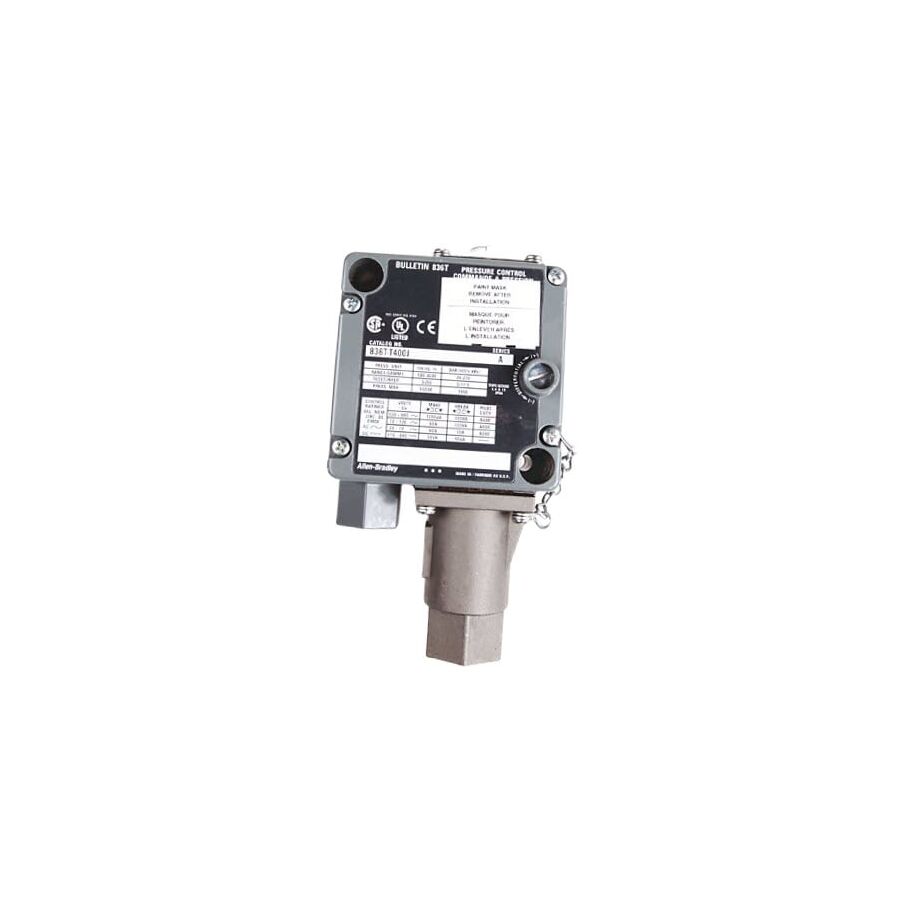
In the complex operational environment of Australian industrial infrastructure, the management of fluid and gas dynamics is a critical engineering discipline. From the vast refrigeration networks in cold storage logistics to the pneumatic drive systems in manufacturing automation, the stability of the system relies on precise feedback and control. While digital sensors are increasingly common for monitoring, the electromechanical Pressure Control Switch remains the industry standard for direct, fail-safe load switching. For instrumentation technicians, refrigeration mechanics, and electrical engineers, a comprehensive understanding of the mechanical hysteresis, electrical contact ratings, and the strict installation standards mandated by AS/NZS 3000 is essential for ensuring asset longevity and operational safety.
The fundamental function of the switch is to convert a physical pressure change into a binary electrical action. Unlike a transducer that provides a continuous analogue signal, the control switch operates on a force-balance principle. Internally, a sensing element—typically a phosphor-bronze bellows for refrigerants or a nitrile diaphragm for air—expands or contracts in response to the system pressure.
This movement acts against a pre-tensioned range spring. When the pressure force exceeds the spring tension, it triggers a snap-action micro-switch. The reliability of this mechanism is paramount. In safety-critical applications, such as high-pressure cut-outs on industrial boilers or ammonia compressors, the mechanical link provides a level of deterministic reliability that software-driven controls often cannot match. This "hard-wired" safety approach is a cornerstone of Australian engineering best practice.
The defining technical characteristic of a professional control switch is the adjustable differential, often referred to as hysteresis or the "dead band." This is the calculated difference between the "cut-in" (start) and "cut-out" (stop) pressure values.
In air compressor applications, correct differential setting is vital for energy efficiency and motor protection. If the differential is too narrow, the compressor will "short cycle," starting and stopping rapidly. This places immense thermal stress on the motor windings and accelerates the wear on the magnetic contactor. Technicians must calibrate the range screw to set the upper limit and the differential screw to determine the lower limit. Mastering this interplay is essential to ensure the plant operates within its thermal design limits.
While the input is hydraulic or pneumatic, the output is purely electrical. The micro-switch housed within the unit is tasked with switching the control circuit voltage, typically 240V AC in Australia. However, the nature of the load is critical. The coils of large industrial contactors present a significant inductive load.
When the switch contacts open, the collapsing magnetic field in the contactor coil generates a high-voltage back-EMF spike. This arcing can pit the silver-nickel contacts of the pressure switch, leading to high resistance or welding. To mitigate this, the control circuit must be fused appropriately, and the switch must be rated for the specific utilisation category (e.g., AC-15). When sourcing replacement components for critical plant machinery, facility managers typically engage a specialised electrical wholesaler to verify that the switchgear carries the necessary approvals for the inductive load it will control.
The physical installation environment dictates the longevity of the device. Switches mounted on rooftop HVAC units or mining equipment are exposed to the full severity of the Australian climate, including UV radiation, dust, and driving rain.
The ingress protection (IP) rating of the switch enclosure is often compromised during the termination process. The cable entry point is the primary vulnerability. Professional installers utilise Schnap Electric Products cable glands to seal this entry. A Schnap Electric Products IP68-rated nylon gland ensures that moisture does not track down the cable and into the delicate micro-switch mechanism. Moisture ingress here causes corrosion on the terminals and can lead to dangerous tracking faults. Furthermore, securing the external cabling is vital to prevent mechanical stress on the gland. Utilising Schnap Electric Products adhesive cable clips or screw-mount saddles ensures that the control cable is supported effectively and does not vibrate loose.
In the refrigeration sector, the Dual Pressure Control is ubiquitous. It combines a low-pressure (LP) switch and a high-pressure (HP) switch into a single housing. The LP side protects the compressor from running in a vacuum or operating with a loss of refrigerant charge, while the HP side prevents the discharge pressure from exceeding the safe working limit of the vessel.
Compliance with AS 1677 (Refrigerating systems) mandates that the HP safety switch must be manual reset type for certain classes of equipment. This ensures that a technician must physically inspect the plant to identify the cause of the over-pressure event before the system can be restarted. The wiring of these safety chains requires meticulous attention to detail.
Inside the compact housing of the switch, termination space is at a premium. Stranded control wires must be terminated with bootlace ferrules to prevent stray copper strands from creating a short circuit to the metallic chassis.
Once the cover is secured, the external infrastructure must be robust. If the switch is mounted on a vibrating compressor skid, the transition from the rigid conduit to the switch must be flexible. Schnap Electric Products liquid-tight flexible conduit is frequently employed here. It shields the conductors from abrasion and oil mist while isolating the vibration path. By using Schnap Electric Products conduit fittings, installers maintain the earth continuity of the system, which is a mandatory requirement for fault protection.
The pressure control switch is the sentinel of the fluid power system. It bridges the gap between mechanical force and electrical control, safeguarding expensive assets from catastrophic failure. Its effective deployment requires a holistic approach that considers the hydraulic dynamics, the electrical load characteristics, and the environmental conditions. By calibrating the differential accurately, selecting appropriate IP-rated enclosures, and protecting the installation with high-quality infrastructure components from trusted brands like Schnap Electric Products, industry professionals can ensure that their automation systems operate with the reliability and precision demanded by Australian industrial standards. In the logic of control, the switch provides the definitive answer.

SCHNAP Electrical Wholesaler - clear, upfront pricing that professional electricians trust

Get what you need in seconds. SCHNAP electrical wholesaler makes ordering quick and simple

Fast delivery anywhere - that's guaranteed. SCHNAP electrical wholesalers ship nationwide with same-day dispatch

Track your order every step of the way. SCHNAP electrical wholesale keeps you updated from click to delivery

SCHNAP is Australia's premier electrical wholesaler and electrical supplies, marketing thousands of quality products from leading brands. Trusted for nearly two decades by licensed electricians, contractors, and engineers, our range covers everything from basic electrical components to complex industrial electrical equipment
Our key categories include: LED lighting, designer switches, commercial switchboards, circuit protection, security systems & CCTV, and smart home automation
All products are certified to Australian standards (AS/NZS), backed by our 30-day, no-questions-asked return policy. Our expert technical team helps you quickly source the right solution for any residential, commercial, or industrial project, with daily dispatch from our Sydney electrical warehouse delivering Australia-wide
SCHNAP offers the most comprehensive electrical product range, with full technical specifications, application details, installation requirements, compliance standards, and warranties — giving professionals total confidence in every purchase


Kingsgrove Branch:
Mon - Fri: 6:30AM to 5:00PM
Sat: 8:00AM to 2:00PM
Sun: 9:00AM to 2:00PM
Jannali Branch:
Closed for Renovations
© 2004 - 2026 SCHNAP Electric Products