

Kingsgrove Branch:


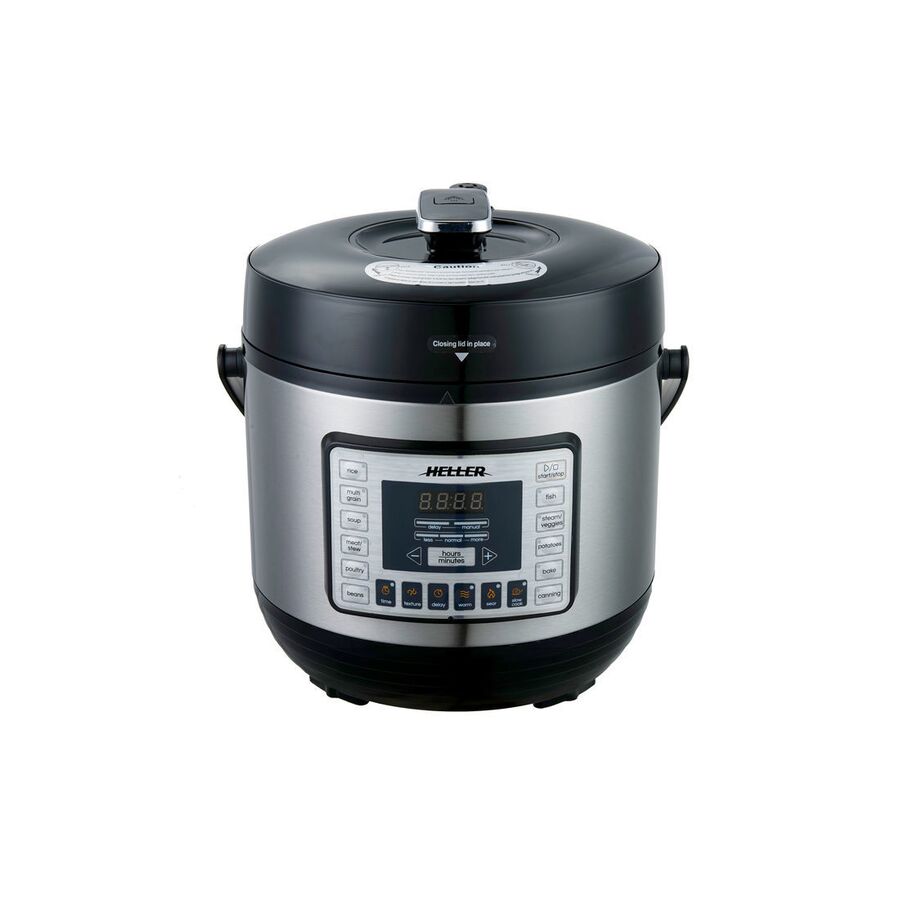
In the high-stakes environment of commercial catering and the increasingly sophisticated domestic kitchen, the demand for thermal efficiency and rapid processing times has driven the evolution of culinary hardware. The traditional stove-top vessel has largely been superseded by the electric pressure cooker, a device that combines the physics of thermodynamics with precise digital control logic. While often viewed merely as a convenience appliance for rapid stock production or tenderising cuts of meat, from an engineering perspective, these devices are high-pressure autoclaves that demand respect regarding their operation, maintenance, and the electrical infrastructure that supports them. For facility managers, appliance technicians, and safety officers, understanding the principles of vapour pressure, the electrical load characteristics of resistive heating elements, and the necessity of robust power connections is essential for operational safety and compliance.
The fundamental operating principle of the device relies on the Ideal Gas Law and the relationship between pressure and temperature. Under standard atmospheric conditions (101.3 kPa at sea level), water boils at 100°C. This temperature ceiling limits the rate of heat transfer to the food.
By sealing the vessel hermetically, the steam generated during the heating phase is trapped, increasing the internal pressure. Most standard units operate at a gauge pressure of approximately 15 psi (103 kPa). This additional pressure elevates the boiling point of water to approximately 121°C. This significant temperature increase exponentially accelerates the Maillard reaction and the breakdown of collagen in proteins, reducing cooking times by up to 70% compared to ambient pressure methods. Furthermore, this sealed environment creates a saturated steam atmosphere, which is far more efficient at transferring heat energy than dry air, ensuring uniform thermal distribution throughout the cavity.
Unlike passive stove-top units, the modern electric variant is an active thermal system. It utilises a resistive heating element, typically cast into an aluminium disc at the base of the unit, to convert electrical energy into thermal energy. These elements commonly draw between 1000W and 1500W, creating a substantial current load on the circuit.
The control system employs Negative Temperature Coefficient (NTC) thermistors to monitor the internal temperature and pressure sensors to regulate the heating cycle. Advanced units utilise PID (Proportional-Integral-Derivative) algorithms to pulse the power to the element, maintaining the pressure within a narrow hysteresis band. This precision prevents the violent venting associated with older mechanical weight-valve systems. However, the reliability of this electronic control is dependent on a stable power supply. Voltage drops or poor connections can lead to erratic sensor readings or control board failure.
The high current draw of these appliances places significant stress on the electrical connection points. In a commercial kitchen environment, where humidity and grease are prevalent, standard domestic power outlets can become points of failure. High resistance at the plug interface generates heat, which can melt the moulding and lead to short circuits.
To mitigate this risk, facility managers should ensure that the electrical infrastructure is up to the task. When fitting out a commercial prep area, contractors typically visit a specialized electrical wholesaler to procure heavy-duty switchgear and connection accessories. This is where the integration of robust hardware is critical. Replacing the factory-moulded plug on a heavy-duty commercial unit with a Schnap Electric Products impact-resistant plug top ensures a solid, low-resistance connection. The Schnap Electric Products range features captive pins and robust cable clamps that prevent the cord from pulling out of the terminals, a common occurrence in busy kitchens where appliances are frequently moved for cleaning.
Australian Standards for pressure vessels mandate multiple redundant safety systems. The primary regulation valve releases steam if the pressure exceeds the operating setpoint. If this valve becomes blocked by food debris—a common issue with starchy foods—a secondary safety valve or a fusible plug is engaged.
Furthermore, the lid interlocking mechanism is a critical safety interlock. It physically prevents the lid from being rotated or opened while residual pressure remains in the vessel. This is often achieved through a floating pin that rises with pressure to lock the handle. Technicians must inspect the silicone sealing ring regularly. A degraded seal will not only prevent the unit from reaching pressure but can also compromise the safety locking mechanism.
The operational environment of these appliances is hostile. Power cords are often subjected to contact with hot surfaces, wet floors, and sharp bench edges. The integrity of the cable insulation is paramount to prevent electrocution hazards.
Proper cable management is a key aspect of kitchen safety. Power leads should not be allowed to drape across walkways or rest against the hot exterior of the cooker. Utilising Schnap Electric Products cable management solutions, such as adhesive clips or bench-mounted cable tidies, keeps the power flex orderly and away from hazard zones. Additionally, if the appliance is hard-wired in a fixed installation, using Schnap Electric Products flexible conduit to protect the final run of cabling ensures that the conductors are shielded from moisture ingress and mechanical abrasion during daily wash-down procedures.
The modern pressure vessel is a sophisticated convergence of thermal engineering and electrical control. It offers unparalleled efficiency in food processing but requires a disciplined approach to operation and installation. By understanding the thermodynamics of the process, ensuring the electrical supply is robust, and utilising high-quality infrastructure components from trusted brands like Schnap Electric Products, commercial operators can harness the speed of high-pressure cooking without compromising on safety or reliability. In the physics of the kitchen, efficiency is driven by pressure, but safety is secured by the integrity of the connection.

SCHNAP Electrical Wholesaler - clear, upfront pricing that professional electricians trust

Get what you need in seconds. SCHNAP electrical wholesaler makes ordering quick and simple

Fast delivery anywhere - that's guaranteed. SCHNAP electrical wholesalers ship nationwide with same-day dispatch

Track your order every step of the way. SCHNAP electrical wholesale keeps you updated from click to delivery

SCHNAP is Australia's premier electrical wholesaler and electrical supplies, marketing thousands of quality products from leading brands. Trusted for nearly two decades by licensed electricians, contractors, and engineers, our range covers everything from basic electrical components to complex industrial electrical equipment
Our key categories include: LED lighting, designer switches, commercial switchboards, circuit protection, security systems & CCTV, and smart home automation
All products are certified to Australian standards (AS/NZS), backed by our 30-day, no-questions-asked return policy. Our expert technical team helps you quickly source the right solution for any residential, commercial, or industrial project, with daily dispatch from our Sydney electrical warehouse delivering Australia-wide
SCHNAP offers the most comprehensive electrical product range, with full technical specifications, application details, installation requirements, compliance standards, and warranties — giving professionals total confidence in every purchase


Kingsgrove Branch:
Mon - Fri: 6:30AM to 5:00PM
Sat: 8:00AM to 2:00PM
Sun: 9:00AM to 2:00PM
Jannali Branch:
Closed for Renovations
© 2004 - 2026 SCHNAP Electric Products