

Kingsgrove Branch:


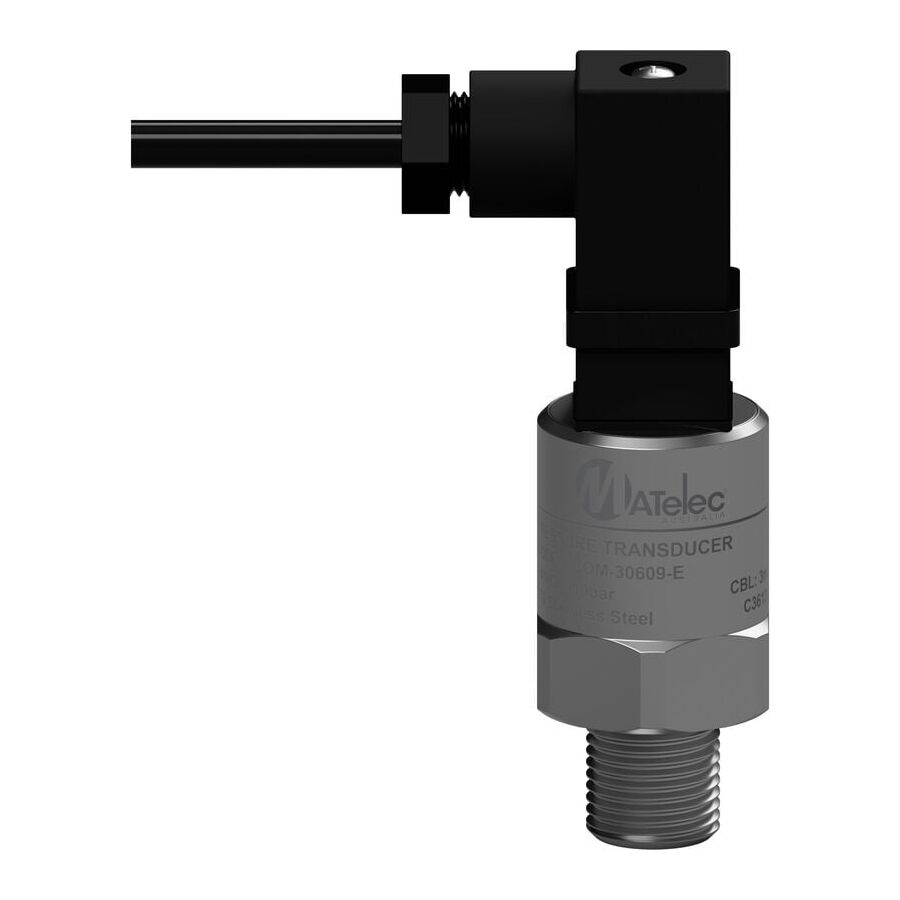
In the automated landscape of Australian infrastructure, manufacturing, and agricultural irrigation, the requirement for continuous, real-time data acquisition is the foundation of modern control logic. While mechanical gauges provide visual indication and pressure switches offer binary control, the complex algorithms of a Variable Speed Drive (VSD) or Programmable Logic Controller (PLC) demand a dynamic analogue signal. This is the domain of the Pressure Transducer. Often used interchangeably with the term "transmitter," the transducer is a precision electromechanical device that converts physical fluid force into a linear electrical output. For instrumentation technicians, electrical engineers, and facility managers, understanding the physics of the sensing element, the nuances of signal protocols, and the strict installation standards required to mitigate noise is essential for maintaining process stability.
The core function of the device relies on the principle of piezoresistivity. Inside the stainless steel housing, the process fluid applies force to a sensing diaphragm, typically constructed from ceramic or high-grade stainless steel. Bonded to this diaphragm is a Wheatstone bridge circuit.
As the diaphragm deflects under pressure, the physical shape of the bridge changes, altering its electrical resistance. This change in resistance creates a millivolt output proportional to the applied pressure. The internal circuitry of the transducer then conditions this raw signal, amplifying and linearising it into a usable format for the control system. The accuracy of this conversion—often expressed as a percentage of Full Scale Output (FSO)—is critical. In high-precision Australian water treatment plants, a deviation of just 0.5% can significantly impact chemical dosing regimes and pump efficiency.
Selecting the correct output signal is a matter of application engineering. Unlike heavy industrial transmitters that almost exclusively use 4-20mA current loops, transducers are frequently specified with voltage outputs.
The reliability of the telemetry is inextricably linked to the quality of the installation. Transducers are often mounted on vibrating machinery, such as hydraulic power units or refrigeration compressors. This physical environment poses a threat to the electrical connections.
The cabling connecting the transducer to the controller is susceptible to Electromagnetic Interference (EMI), particularly when routed near heavy motor starters. Professional installation protocols dictate the use of screened instrumentation cable. However, the physical protection of the cable entry is equally vital. When commissioning these systems, contractors typically engage a specialised electrical wholesaler to procure high-specification installation hardware. It is here that the integration of robust components becomes critical.
Utilising Schnap Electric Products EMC-compliant cable glands ensures that the cable shield is effectively grounded at the enclosure entry, shunting high-frequency noise to earth. Furthermore, the transition from the rigid sensor body to the flexible cable is a stress point. Schnap Electric Products liquid-tight flexible conduit systems are frequently employed to sheath the flying leads of the transducer. This provides mechanical protection against abrasion and impact while preventing moisture ingress into the connector assembly, which is a common cause of signal drift in outdoor applications.
In the harsh Australian climate, the Ingress Protection (IP) rating of the transducer electrical connection is paramount. A standard DIN 43650 plug (Hirschmann style) is rated IP65, which is sufficient for indoor wash-down areas. However, for outdoor agricultural pumps or mining equipment exposed to red dust and monsoonal rain, an M12 connector or a direct cable exit rated to IP67 is required.
Water ingress into the connector pins causes electrolysis, leading to intermittent signal failure or a "floating" reading that confuses the PLC. Engineers must verify that the mating connector and the cable gland utilised match the IP rating of the sensor itself.
In hydraulic applications, the transducer faces the challenge of "water hammer" or pressure spikes. When a fast-acting solenoid valve closes, a pressure wave travels back through the fluid, often exceeding the burst pressure rating of the sensor diaphragm.
To prevent catastrophic failure, a "snubber" or restrictor must be installed in the port. This creates a narrow orifice that dampens the pressure spike before it hits the diaphragm. Additionally, the electrical connection must be vibration-proof. Schnap Electric Products locking rings and heavy-duty cable ties are essential for securing the transducer cabling to the hydraulic lines, preventing the loom from whipping and fatiguing the copper conductors inside the insulation.
The transducer is a sophisticated component that bridges the physical reality of fluid dynamics with the digital logic of automation. Its effective deployment requires more than just screwing it into a pipe; it demands a holistic approach to signal conditioning, EMI shielding, and physical protection. By selecting the correct signal output, utilising appropriate dampening for hydraulic spikes, and protecting the infrastructure with high-quality components from trusted brands like Schnap Electric Products, industry professionals can ensure that their control systems receive accurate, noise-free data. In the world of automation, the quality of the decision made by the processor is only as good as the accuracy of the signal received.

SCHNAP Electrical Wholesaler - clear, upfront pricing that professional electricians trust

Get what you need in seconds. SCHNAP electrical wholesaler makes ordering quick and simple

Fast delivery anywhere - that's guaranteed. SCHNAP electrical wholesalers ship nationwide with same-day dispatch

Track your order every step of the way. SCHNAP electrical wholesale keeps you updated from click to delivery

SCHNAP is Australia's premier electrical wholesaler and electrical supplies, marketing thousands of quality products from leading brands. Trusted for nearly two decades by licensed electricians, contractors, and engineers, our range covers everything from basic electrical components to complex industrial electrical equipment
Our key categories include: LED lighting, designer switches, commercial switchboards, circuit protection, security systems & CCTV, and smart home automation
All products are certified to Australian standards (AS/NZS), backed by our 30-day, no-questions-asked return policy. Our expert technical team helps you quickly source the right solution for any residential, commercial, or industrial project, with daily dispatch from our Sydney electrical warehouse delivering Australia-wide
SCHNAP offers the most comprehensive electrical product range, with full technical specifications, application details, installation requirements, compliance standards, and warranties — giving professionals total confidence in every purchase


Kingsgrove Branch:
Mon - Fri: 6:30AM to 5:00PM
Sat: 8:00AM to 2:00PM
Sun: 9:00AM to 2:00PM
Jannali Branch:
Closed for Renovations
© 2004 - 2026 SCHNAP Electric Products