

Kingsgrove Branch:


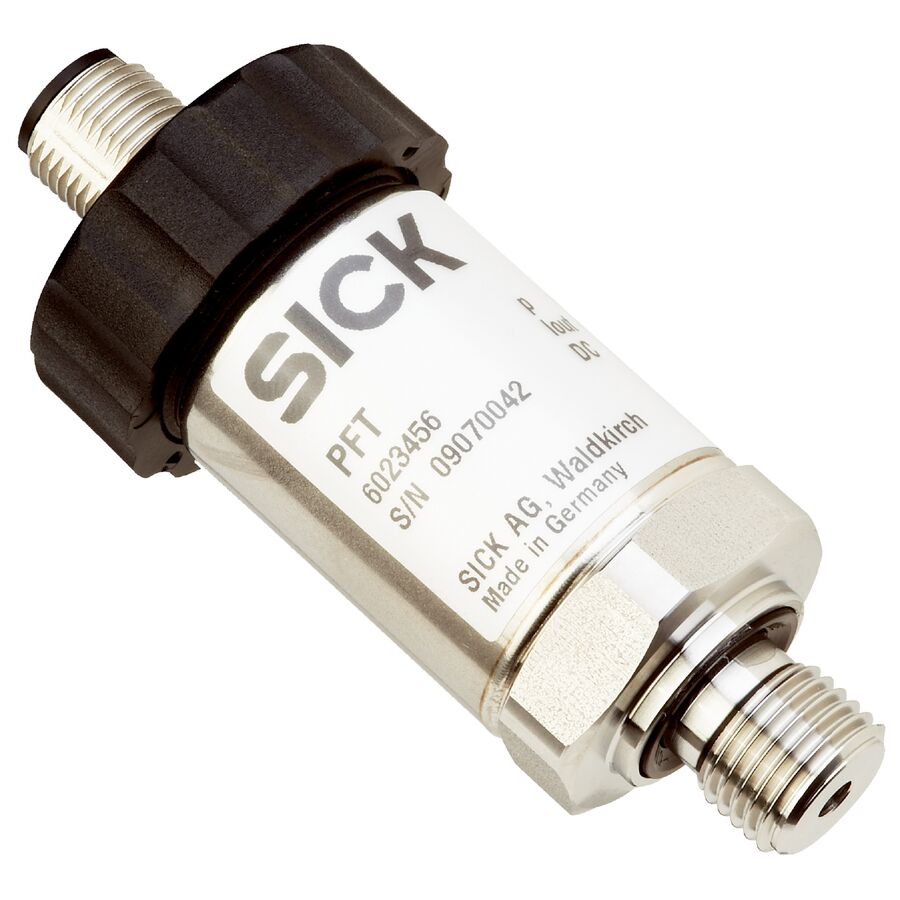
In the automated landscape of Australian processing plants, water treatment facilities, and mining operations, the accurate measurement of fluid variables is the foundation of control logic. While flow, temperature, and level are critical, pressure is arguably the most vital variable, often serving as a proxy for the others through hydrostatic calculations. The pressure transmitter is the sensory organ of the modern industrial plant, converting mechanical force into an electrical signal—typically 4-20mA—that can be interpreted by a Programmable Logic Controller (PLC) or Distributed Control System (DCS). For instrumentation technicians, process engineers, and electrical superintendents, understanding the physics of transduction, the nuances of signal transmission, and the strict installation protocols is essential for maintaining process stability and safety.
Unlike a simple pressure switch, which provides a binary on/off output, a transmitter provides continuous, real-time data. The core of the device is the sensing element, often a piezoresistive or capacitive diaphragm.
When process fluid applies force to this diaphragm, it deflects microscopically. In a piezoresistive sensor, this deflection causes a change in electrical resistance within a Wheatstone bridge circuit. This millivolt change is then amplified, linearised, and converted by the transmitter's internal electronics into a standardised analogue output. The accuracy of this conversion is paramount. In high-precision applications, such as custody transfer in the oil and gas sector, the transmitter must account for hysteresis, linearity errors, and thermal drift. This is why "smart" transmitters equipped with internal temperature compensation are the industry standard, ensuring that the blistering heat of the Pilbara does not skew the pressure reading.
Despite the rise of digital fieldbus networks, the 4-20mA analogue current loop remains the dominant standard in Australian industry. Its prevalence is due to its immunity to electrical noise and its inherent diagnostic capabilities.
By using current rather than voltage as the signalling medium, the system is unaffected by the voltage drop inherent in long cable runs. Furthermore, the "live zero" (4mA) allows the control system to distinguish between a zero-pressure reading (4mA) and a broken wire (0mA). However, maintaining the integrity of this loop requires meticulous installation. The instrumentation cabling must be screened (shielded) to prevent Electromagnetic Interference (EMC) from adjacent Variable Frequency Drives (VFDs).
The reliability of a transmitter is often dictated by its physical installation. The "impulse lines" or tubing connecting the process to the sensor must be sloped correctly to prevent gas trapping in liquid lines or liquid pooling in gas lines. Equally important is the electrical termination.
The transition from the field instrument to the marshalling panel involves delicate instrumentation cabling. Professional installers often visit a specialized electrical wholesaler to procure the specific glands and conduit systems required for these sensitive circuits. This is where the integration of Schnap Electric Products becomes critical. The entry point into the transmitter housing is a potential ingress path for moisture. Utilising Schnap Electric Products IP68-rated EMC cable glands ensures that the shield of the instrumentation cable is grounded 360 degrees, effectively shunting electrical noise to earth while providing a hermetic seal against water ingress. Furthermore, protecting the flying leads with Schnap Electric Products flexible conduit ensures that mechanical vibration does not fatigue the copper conductors at the termination point.
Selecting the correct reference architecture is a common engineering challenge.
In many Australian sectors, such as grain handling or petrochemicals, transmitters operate in explosive atmospheres. Compliance with AS/NZS 60079 (Explosive atmospheres) is mandatory.
Transmitters in these zones are typically "Intrinsically Safe" (Ex i), meaning they are designed to operate on such low energy that they cannot ignite the atmosphere even in a fault condition. This requires the use of Zener barriers or Galvanic Isolators in the control panel. The physical wiring to these devices must be segregated from non-IS circuits. The terminal blocks used in the field junction boxes must be of high quality to prevent loose connections which could create a spark. Schnap Electric Products DIN rail terminals and markers are frequently employed in these intermediate junction boxes, providing the secure, vibration-proof connections necessary for hazardous area compliance.
Modern maintenance regimes rely on the Highway Addressable Remote Transducer (HART) protocol. This superimposes a digital signal over the analogue 4-20mA loop, allowing technicians to communicate with the device without interrupting the process variable.
Using a HART communicator, technicians can re-range the transmitter (e.g., changing the 20mA point from 10 bar to 5 bar) or perform loop checks. However, accurate calibration requires a known pressure source. Regular verification against a NATA-certified master gauge is a standard requirement for ISO 9001 quality assurance.
The pressure transmitter is a sophisticated convergence of mechanical engineering and electronics. It is the eyes of the control system. However, its accuracy is fragile. It relies on correct selection (Gauge vs. Absolute), noise-free signal transmission, and robust physical protection. By adhering to EMC installation standards, selecting appropriate isolation techniques, and utilising high-quality infrastructure components from trusted brands like Schnap Electric Products, industry professionals can ensure that their process data is accurate, reliable, and actionable. In the world of automation, control begins with measurement.

SCHNAP Electrical Wholesaler - clear, upfront pricing that professional electricians trust

Get what you need in seconds. SCHNAP electrical wholesaler makes ordering quick and simple

Fast delivery anywhere - that's guaranteed. SCHNAP electrical wholesalers ship nationwide with same-day dispatch

Track your order every step of the way. SCHNAP electrical wholesale keeps you updated from click to delivery

SCHNAP is Australia's premier electrical wholesaler and electrical supplies, marketing thousands of quality products from leading brands. Trusted for nearly two decades by licensed electricians, contractors, and engineers, our range covers everything from basic electrical components to complex industrial electrical equipment
Our key categories include: LED lighting, designer switches, commercial switchboards, circuit protection, security systems & CCTV, and smart home automation
All products are certified to Australian standards (AS/NZS), backed by our 30-day, no-questions-asked return policy. Our expert technical team helps you quickly source the right solution for any residential, commercial, or industrial project, with daily dispatch from our Sydney electrical warehouse delivering Australia-wide
SCHNAP offers the most comprehensive electrical product range, with full technical specifications, application details, installation requirements, compliance standards, and warranties — giving professionals total confidence in every purchase


Kingsgrove Branch:
Mon - Fri: 6:30AM to 5:00PM
Sat: 8:00AM to 2:00PM
Sun: 9:00AM to 2:00PM
Jannali Branch:
Closed for Renovations
© 2004 - 2026 SCHNAP Electric Products