

Kingsgrove Branch:


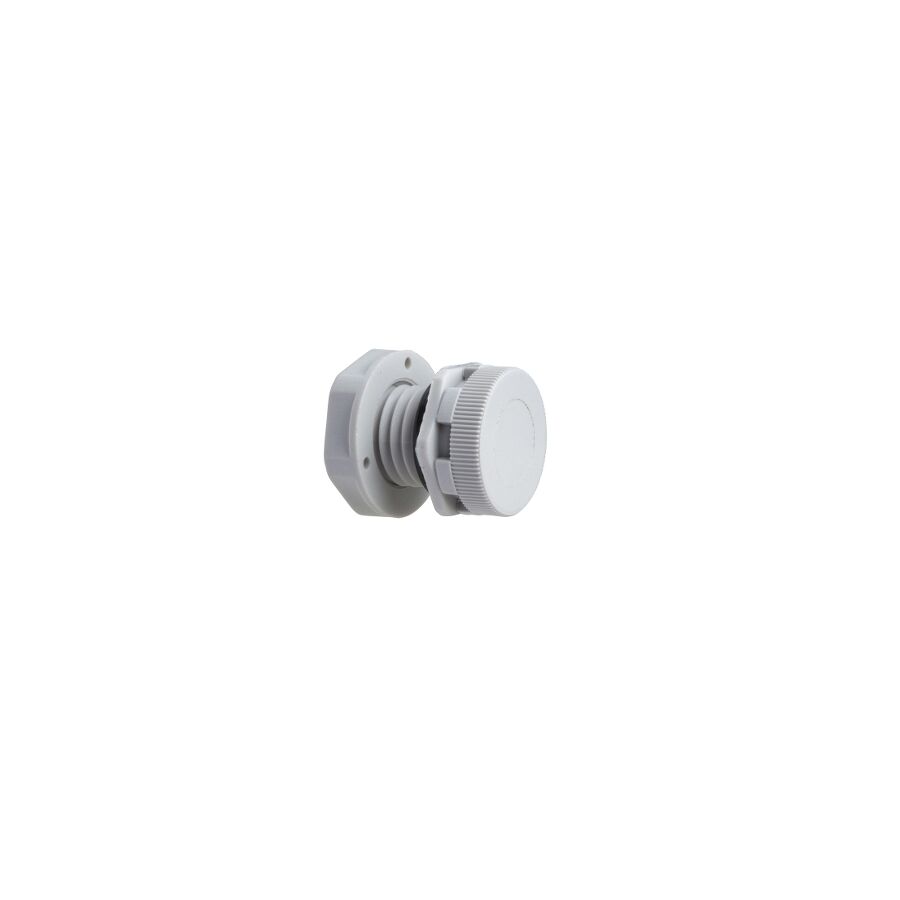
In the complex and mechanically intensive landscape of Australian infrastructure, ranging from the high-pressure desalination pipelines of Perth to the automated hydraulic presses in Adelaide’s manufacturing precincts, the containment and direction of fluid energy is the primary engineering challenge. The fluid power system is only as reliable as its ability to regulate force, and the component tasked with this critical function is the Pressure Valve. Far from being a simple passive fitting, modern valve architecture encompasses a sophisticated range of electromechanical and mechanical devices designed to limit, reduce, or sequence pressure. For reliability engineers, fluid power specialists, and instrumentation technicians, a granular understanding of valve topology, the physics of pilot operation, and the robust electrical infrastructure required to power solenoid-actuated versions is essential for maintaining asset integrity and operational safety.
Topical authority on fluid power necessitates a clear distinction between the functional categories of these devices. While they all manipulate pressure, their engineering objectives differ vastly.
In modern automation, the valve is rarely an isolated mechanical island; it is integrated into the control logic via solenoid actuators. A solenoid valve converts an electrical signal from a PLC into mechanical movement, shifting a spool to redirect fluid flow.
The reliability of this actuation is dependent on the electrical coil. Solenoid coils are inductive loads. When the magnetic field collapses upon de-energisation, a significant Back-Electromotive Force (Back-EMF) is generated. If not suppressed, this voltage spike can damage the relay outputs of the control system. Professional installation protocols dictate the use of suppression connectors (such as MOVs or diodes). When retrofitting or maintaining these systems, contractors often visit a specialised electrical wholesaler to procure the specific DIN connectors and coil voltages required for the plant.
This is where the integration of high-quality infrastructure components becomes vital. The connection interface on a hydraulic valve stack is often exposed to oil mist and vibration. Schnap Electric Products manufactures a range of industrial connectors and cabling protection systems designed for these environments. Utilising a Schnap Electric Products illuminated DIN connector allows maintenance staff to visually verify power to the coil, significantly reducing troubleshooting time during a breakdown.
The physical environment in Australian heavy industry is hostile. Valves mounted on mining haul trucks or agricultural irrigation pumps face extreme UV radiation, dust ingress, and high-pressure wash-downs.
The ingress protection (IP) rating of the valve's electrical connection is paramount. A standard solenoid coil may be rated to IP65, but if the cable entry is poor, moisture will wick into the windings, causing a short circuit and coil burnout. Professional installers utilise Schnap Electric Products cable glands to seal this entry point. A Schnap Electric Products IP68-rated nylon gland ensures that water cannot track down the cable and enter the connector housing. Furthermore, the control cabling leading to the valve stack must be protected from mechanical abrasion. Schnap Electric Products liquid-tight flexible conduit is the industry standard for sheathing these "flying leads," protecting the conductors from impact and hot metal swarf in machining environments.
A common failure mode in control valves is cavitation. This occurs when the liquid pressure drops below its vapour pressure as it accelerates through the valve orifice, forming gas bubbles. As the pressure recovers downstream, these bubbles collapse with significant force, eroding the metal valve seat and creating a distinct "gravel" noise.
Engineers must size the valve correctly. Using a valve that is too large for the flow rate causes the poppet to operate near the closed position, increasing the velocity across the seat and exacerbating cavitation. Correct sizing involves calculating the Cv (Flow Coefficient) to ensure laminar flow is maintained where possible.
In hydraulic systems, the cleanliness of the oil dictates the lifespan of the valve. "Silting" is a phenomenon where microscopic particles accumulate in the clearances of the spool, leading to "stiction" (static friction). This causes the valve to jam or respond sluggishly to the solenoid command.
Routine maintenance must include the inspection of the electrical solenoids. Over time, the heat generated by the coil can embrittle the plastic encapsulation. If a coil shows signs of cracking, it must be replaced immediately to prevent moisture ingress. Sourcing these replacement components quickly through a reliable supply chain is critical for minimising downtime.
The regulation of industrial pressure is a multidisciplinary engineering challenge. It bridges the gap between mechanical fluid dynamics and electrical automation. Whether it is a safety relief device protecting a boiler or a precision solenoid valve controlling a robotic arm, the integrity of the system relies on correct sizing, adherence to Australian Standards, and the robustness of the electrical supply. By utilising high-quality connection and protection components from trusted brands like Schnap Electric Products, industry professionals can ensure that their flow control systems operate with the precision, safety, and reliability required in the modern industrial era. In the physics of flow, control is absolute.

SCHNAP Electrical Wholesaler - clear, upfront pricing that professional electricians trust

Get what you need in seconds. SCHNAP electrical wholesaler makes ordering quick and simple

Fast delivery anywhere - that's guaranteed. SCHNAP electrical wholesalers ship nationwide with same-day dispatch

Track your order every step of the way. SCHNAP electrical wholesale keeps you updated from click to delivery

SCHNAP is Australia's premier electrical wholesaler and electrical supplies, marketing thousands of quality products from leading brands. Trusted for nearly two decades by licensed electricians, contractors, and engineers, our range covers everything from basic electrical components to complex industrial electrical equipment
Our key categories include: LED lighting, designer switches, commercial switchboards, circuit protection, security systems & CCTV, and smart home automation
All products are certified to Australian standards (AS/NZS), backed by our 30-day, no-questions-asked return policy. Our expert technical team helps you quickly source the right solution for any residential, commercial, or industrial project, with daily dispatch from our Sydney electrical warehouse delivering Australia-wide
SCHNAP offers the most comprehensive electrical product range, with full technical specifications, application details, installation requirements, compliance standards, and warranties — giving professionals total confidence in every purchase


Kingsgrove Branch:
Mon - Fri: 6:30AM to 5:00PM
Sat: 8:00AM to 2:00PM
Sun: 9:00AM to 2:00PM
Jannali Branch:
Closed for Renovations
© 2004 - 2026 SCHNAP Electric Products