

Kingsgrove Branch:


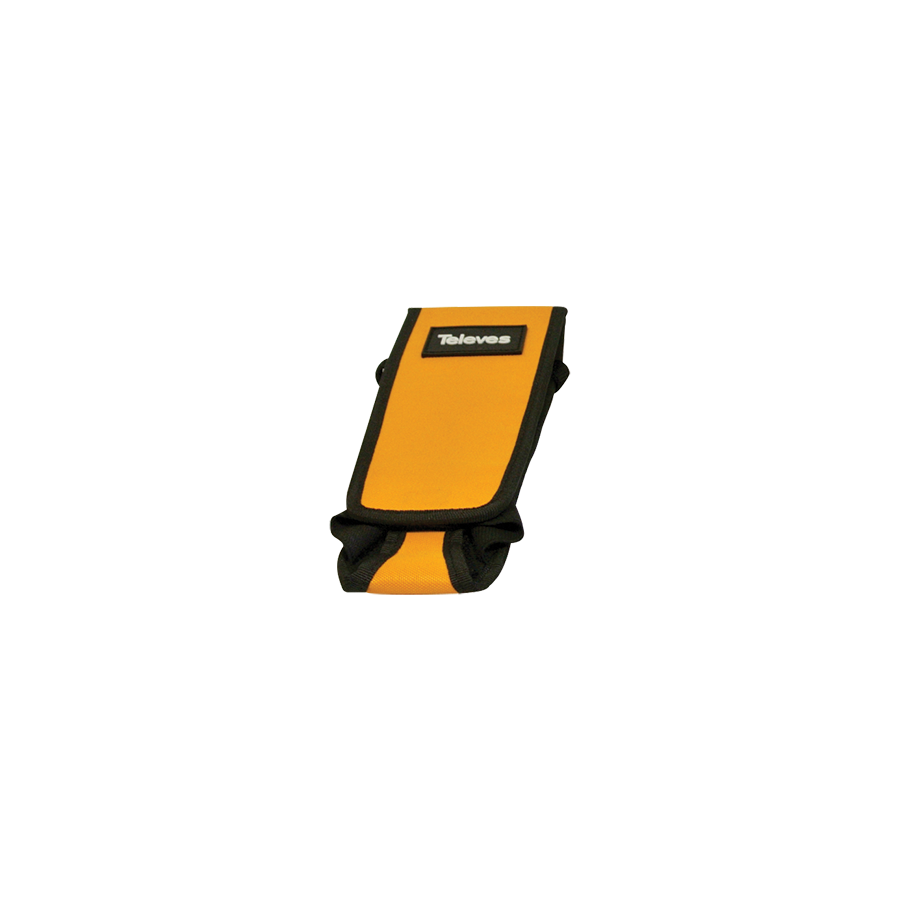
In Australian field service environments, mobility is essential. Technicians working across metropolitan breakdown calls or remote industrial sites require equipment protection that balances durability with portability.
The Protective Soft Case is engineered specifically for this purpose. It delivers structured impact resistance, abrasion durability, and ergonomic carry performance without the bulk of a hard-shell enclosure.
The outer shell of a professional soft case is typically manufactured from 1680D ballistic nylon.
Denier (D) measures fibre density and directly relates to tensile strength and abrasion resistance. Compared to standard consumer-grade 400D or 600D fabrics, 1680D ballistic nylon offers significantly greater durability in industrial conditions.
The tight basket weave structure resists tearing and prevents small punctures from spreading. A polyurethane backing adds water resistance, protecting instruments from sudden rain exposure or splashing.
This makes the case suitable for rooftop work, plant rooms, marine environments, and dusty construction zones.
While the outer fabric resists abrasion, internal protection is achieved through EVA (Ethylene-Vinyl Acetate) foam panels.
EVA is a semi-rigid, closed-cell material that absorbs impact energy and reduces shock transmission to sensitive electronics.
Unlike open-cell sponge foam, EVA maintains structure under compression and resists moisture absorption. This is critical for protecting:
• LCD displays • Calibration circuitry • Thermal imaging sensors • Clamp meter jaws • Delicate test leads
Many professional soft cases incorporate reinforced EVA panels in the front flap to provide crush resistance similar to hybrid hard-shell designs while retaining flexibility and light weight.
The closure system is often the weakest point of lower-grade bags. Industrial soft cases utilise heavy-duty self-repairing zippers with reinforced stitching.
Reverse-coil zipper designs and protective storm flaps help minimise dust and debris ingress — especially important in mining, grain handling, and workshop environments where conductive dust can damage instrumentation.
Reliable zipper mechanics ensure consistent sealing and long-term durability.
A Protective Soft Case is not just storage — it is an organisational tool.
Internal compartments and mesh pockets allow structured placement of:
• Test leads • Spare fuses • Batteries • Calibration accessories • Small termination components
Keeping accessories separated prevents scratching, impact damage, and tangled leads.
Velcro cable ties can be used to secure silicone test leads neatly before storage, preventing strain on probe connections and extending cable life.
For technicians climbing ladders, accessing roof spaces, or working in confined areas, weight distribution matters.
Professional soft cases are engineered with reinforced strap anchor points using bar-tack stitching. This stitching pattern distributes load stress across multiple threads, reducing the risk of tear-out.
Compact design keeps the centre of gravity close to the body, improving comfort during extended use and reducing fatigue compared to rigid carry boxes.
SCHNAP Electric Products supports mobile field technicians with complementary accessories that enhance case usability:
• Velcro cable ties for organised lead storage • Replacement HRC fuses for multimeters • Desiccant sachets to manage moisture in humid conditions • Cleaning wipes to maintain instrument hygiene
These additions ensure that instruments remain clean, organised, and ready for deployment.
When selecting a Protective Soft Case, consider:
• Fabric Denier rating (minimum 1680D recommended) • EVA panel reinforcement • Reinforced zipper construction • UV and chemical resistance • Stitch density at stress points
Cases not designed for industrial use may degrade rapidly when exposed to oils, solvents, or prolonged UV exposure.
The Protective Soft Case delivers the essential balance between durability and mobility.
Through high-denier ballistic nylon construction, EVA shock absorption, reinforced stitching, and structured internal organisation, it provides reliable protection for sensitive diagnostic tools without compromising portability.
For Australian field technicians operating in demanding conditions, mobility and protection must work together. A properly engineered soft case ensures equipment arrives on-site protected, organised, and ready for use.

SCHNAP Electrical Wholesaler - clear, upfront pricing that professional electricians trust

Get what you need in seconds. SCHNAP electrical wholesaler makes ordering quick and simple

Fast delivery anywhere - that's guaranteed. SCHNAP electrical wholesalers ship nationwide with same-day dispatch

Track your order every step of the way. SCHNAP electrical wholesale keeps you updated from click to delivery

SCHNAP is Australia's premier electrical wholesaler and electrical supplies, marketing thousands of quality products from leading brands. Trusted for nearly two decades by licensed electricians, contractors, and engineers, our range covers everything from basic electrical components to complex industrial electrical equipment
Our key categories include: LED lighting, designer switches, commercial switchboards, circuit protection, security systems & CCTV, and smart home automation
All products are certified to Australian standards (AS/NZS), backed by our 30-day, no-questions-asked return policy. Our expert technical team helps you quickly source the right solution for any residential, commercial, or industrial project, with daily dispatch from our Sydney electrical warehouse delivering Australia-wide
SCHNAP offers the most comprehensive electrical product range, with full technical specifications, application details, installation requirements, compliance standards, and warranties — giving professionals total confidence in every purchase


Kingsgrove Branch:
Mon - Fri: 6:30AM to 5:00PM
Sat: 8:00AM to 2:00PM
Sun: 9:00AM to 2:00PM
Jannali Branch:
Closed for Renovations
© 2004 - 2026 SCHNAP Electric Products