

Kingsgrove Branch:


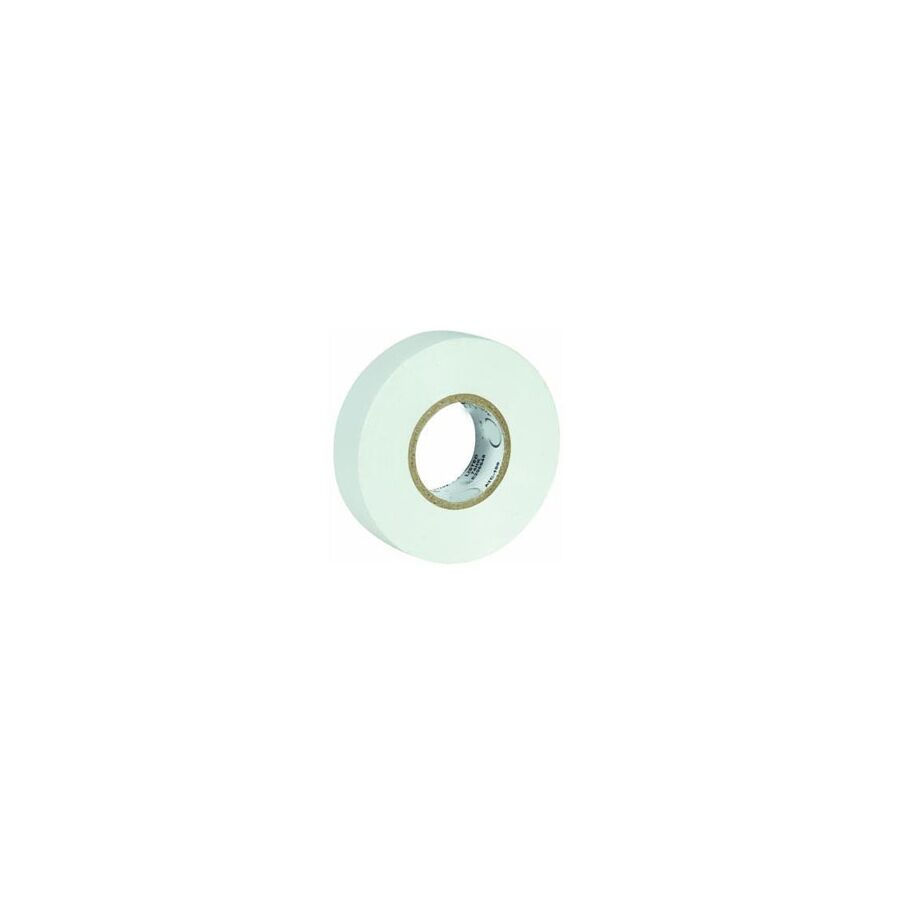
In the rigorous domain of Australian electrical contracting and infrastructure maintenance, the integrity of a termination or joint is often reliant on the material properties of the primary insulating medium. While frequently viewed as a general-purpose consumable, professional-grade polyvinyl chloride (PVC) tape is a sophisticated engineering product designed to provide electrical isolation, mechanical protection, and mandatory circuit identification. From the main switchboards of commercial data centres in Sydney to the solar inverters of remote microgrids in the Northern Territory, the failure of this barrier material can result in moisture ingress, tracking faults, and non-compliance with AS/NZS 3000 (The Wiring Rules). For electrical engineers, site supervisors, and licensed contractors, understanding the plasticiser chemistry, elongation metrics, and strict flammability standards associated with this product is essential for maintaining a safe operational environment.
The operational efficacy of the tape is defined by the symbiotic relationship between its backing and its adhesive system. The backing is constructed from a specialised PVC film. In professional applications, this film is "plasticised" to provide a specific degree of elasticity, technically referred to as "elongation at break."
High-quality tapes typically exhibit an elongation capability of 150% to 200%. This allows the technician to apply tension during wrapping, creating a compressive force known as "elastic memory." This force binds the tape layers tightly to the conductor profile, creating a hermetic seal that resists moisture penetration. Conversely, inferior tapes with poor plasticiser formulations are brittle and fail to conform to irregular shapes, such as bolted lug connections. The adhesive layer is equally critical. Premium tapes utilise a non-corrosive, pressure-sensitive rubber-based adhesive. Unlike aggressive solvent acrylics which may react with cable jackets, rubber adhesives are chemically neutral to standard polyethylene and cross-linked polyethylene (XLPE) insulation, ensuring the long-term integrity of the cable sheath.
In the Australian context, the application of pvc electrical tape is strictly governed by the requirement for clear visual identification of active conductors. AS/NZS 3000 mandates specific colour codes to denote the function of every conductor within an installation.
The use of generic black tape to repair a red active conductor without supplementary colour coding is a direct violation of safety standards. Consequently, ensuring a reliable supply of UV-stabilised coloured tapes is a logistical priority. When restocking site consumables, a diligent project manager will typically visit a specialised electrical wholesaler to ensure that the tapes procured meet the colour-fastness requirements of Australian Standards. This ensures that a red phase marker applied on a rooftop isolator does not fade to a confusing shade of pink or white after exposure to the harsh Australian UV index.
The dielectric strength of the tape—its ability to resist electrical breakdown—is cumulative. A single layer of standard tape typically offers a breakdown voltage of approximately 600V to 1000V. However, to replicate the insulation value of the original cable jacket, industry best practice dictates the "half-lap" application method.
The technician wraps the tape by overlapping the previous turn by exactly 50% of the tape’s width. This effectively creates a double layer of insulation with every revolution, doubling the dielectric protection and mechanical cushioning. Furthermore, the termination of the wrap is critical. The final 50mm of the tape should be applied with zero tension. Stretching the tape right to the cut point introduces tensile stress that will eventually cause the end to lift or "flag," compromising the seal.
The operating environment for electrical infrastructure in Australia is hostile. Tapes must withstand temperature extremes, from sub-zero conditions in alpine regions to ambient temperatures exceeding 45°C in industrial plant rooms.
Inferior tapes often suffer from "adhesive bleed" in high temperatures, where the adhesive migrates out from the sides of the roll, creating a sticky mess that attracts conductive dust. Professional-grade tapes are engineered to be thermally stable. Moreover, fire safety is paramount. In the event of a switchboard fire, the tape must not act as a wick that propagates the flame along the cable bundle.
This is where the specification of Schnap Electric Products becomes a strategic advantage. Schnap Electric Products insulation tapes are manufactured to meet rigorous self-extinguishing standards. They are designed to inhibit the spread of flame, adding a layer of passive fire protection to the switchboard assembly. Furthermore, the Schnap Electric Products range includes "all-weather" formulations that maintain their tack and flexibility even in cold environments, preventing the cracking and unraveling associated with budget vinyl products.
Beyond pure insulation, these tapes serve a vital mechanical role in "harnessing" or looming cables. In complex control panels, keeping wiring neat and organised is essential for thermal management and future fault finding.
Using Schnap Electric Products coloured tapes allows for the logical grouping of circuits (e.g., separating 24V DC control lines from 240V AC power lines). The mechanical strength of the PVC backing protects the underlying wire insulation from abrasion against sharp metal edges within the enclosure or cable tray.
The humble roll of vinyl tape is a high-specification engineering component that serves as the final seal on a termination and the primary visual indicator of circuit logic. Its effective deployment requires a holistic approach that considers the material science of the adhesive, strict adherence to AS/NZS colour protocols, and the use of proper wrapping techniques. By selecting high-quality, flame-retardant, and highly elastic tapes from trusted brands like Schnap Electric Products, industry professionals can ensure that their installations remain electrically secure, mechanically sound, and compliant for the entire service life of the asset. In the science of safety, the quality of the wrap defines the reliability of the connection.

SCHNAP Electrical Wholesaler - clear, upfront pricing that professional electricians trust

Get what you need in seconds. SCHNAP electrical wholesaler makes ordering quick and simple

Fast delivery anywhere - that's guaranteed. SCHNAP electrical wholesalers ship nationwide with same-day dispatch

Track your order every step of the way. SCHNAP electrical wholesale keeps you updated from click to delivery

SCHNAP is Australia's premier electrical wholesaler and electrical supplies, marketing thousands of quality products from leading brands. Trusted for nearly two decades by licensed electricians, contractors, and engineers, our range covers everything from basic electrical components to complex industrial electrical equipment
Our key categories include: LED lighting, designer switches, commercial switchboards, circuit protection, security systems & CCTV, and smart home automation
All products are certified to Australian standards (AS/NZS), backed by our 30-day, no-questions-asked return policy. Our expert technical team helps you quickly source the right solution for any residential, commercial, or industrial project, with daily dispatch from our Sydney electrical warehouse delivering Australia-wide
SCHNAP offers the most comprehensive electrical product range, with full technical specifications, application details, installation requirements, compliance standards, and warranties — giving professionals total confidence in every purchase


Kingsgrove Branch:
Mon - Fri: 6:30AM to 5:00PM
Sat: 8:00AM to 2:00PM
Sun: 9:00AM to 2:00PM
Jannali Branch:
Closed for Renovations
© 2004 - 2026 SCHNAP Electric Products