



Kingsgrove Branch:


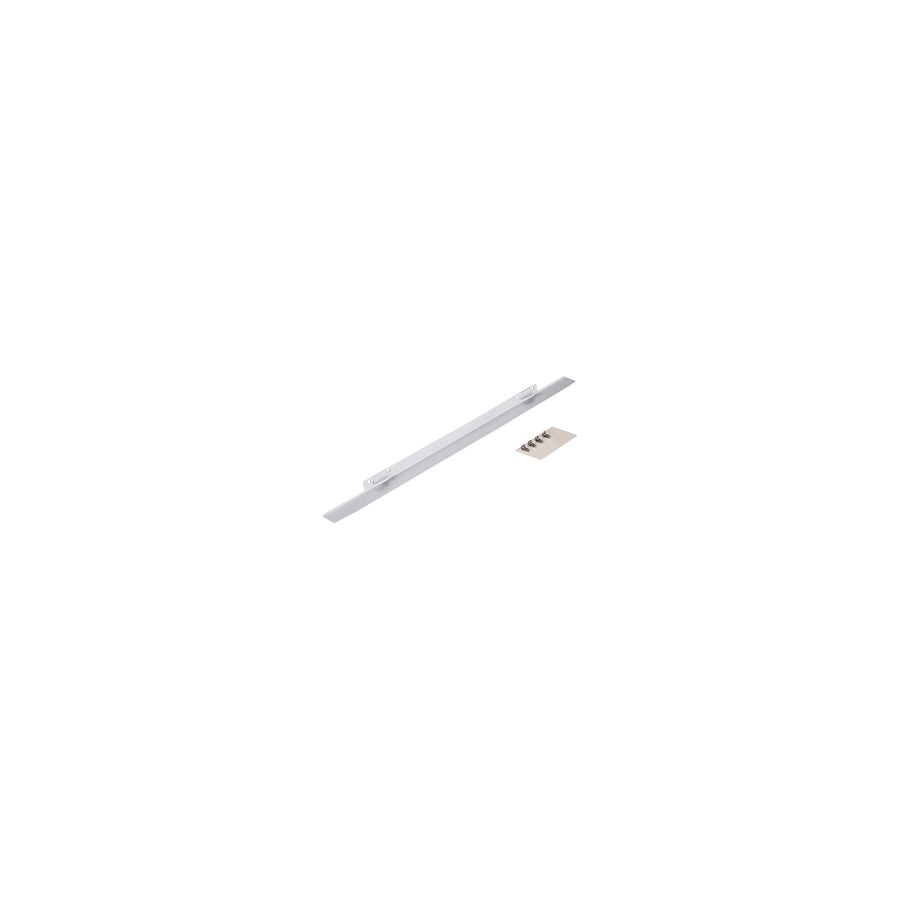
Across Australia, electrical infrastructure faces some of the harshest environmental conditions in the world. Coastal salt spray, cyclonic winds, heavy rainfall, extreme UV exposure, and airborne dust all place stress on outdoor switchboards and enclosures. While most industrial cabinets are rated IP66, this rating depends heavily on the integrity of a single door seal and correct installation.
Over time, ultraviolet radiation degrades rubber gaskets. Heat causes expansion and contraction. Standing water increases pressure on seals. Even small installation flaws can become long-term ingress points. In demanding environments, relying solely on the enclosure rating is not enough.
A rain canopy provides an additional mechanical barrier. It deflects water, reduces heat absorption, and shields the primary seal from direct exposure. Far from being cosmetic, it is a practical engineering solution that extends enclosure life and reduces maintenance risk.
The first function of a rain canopy is simple but critical. It controls how water flows across and around an enclosure.
Most wall-mounted enclosures have flat tops. During rainfall, water accumulates on the surface. If the cabinet is slightly out of level, water runs down the front face and over the door gap. Over time, repeated wetting and drying cycles stress the seal.
A properly designed canopy introduces slope. Typically angled between 5 and 15 degrees, it forces water to run toward the rear or sides rather than the door interface. This significantly reduces direct water exposure to the gasket.
In addition, a well-engineered canopy includes a drip edge. This overhang extends beyond the cabinet body. It ensures that water droplets break cleanly away from the metal rather than tracking down the enclosure due to surface tension.
By keeping the door seal dry, the canopy reduces the risk of capillary ingress during heavy storms. It adds a passive layer of environmental control without introducing moving parts or maintenance complexity.
Rain protection is only part of the benefit. In Australian conditions, solar radiation is often a greater threat than rainfall.
Outdoor cabinets exposed to direct sunlight can exceed ambient temperature by 20 to 30 degrees Celsius. Dark-coloured enclosures absorb significant radiant heat. Internal components such as circuit breakers, PLCs, relays, and communication devices may operate close to their maximum rated temperature.
Elevated temperature accelerates component ageing. It can cause nuisance tripping and derating. It shortens the service life of electronics.
A rain canopy creates an air gap between itself and the enclosure roof. This gap acts as a thermal buffer. The canopy absorbs most of the direct solar radiation. Heat dissipates through airflow before reaching the cabinet body.
This passive shading effect reduces internal temperature rise. It lowers the burden on ventilation systems and reduces reliance on active cooling. In remote installations without air conditioning, this benefit is significant.
Material choice is critical in Australian environments. Not all canopies are equal.
For general industrial locations, galvanised steel with polyester powder coating is often sufficient. However, coastal, wastewater, and chemical environments require higher resistance.
Marine grade 316 stainless steel is commonly specified for high corrosion zones. The inclusion of molybdenum in 316 stainless improves resistance to chloride-induced pitting. In coastal regions, this is essential.
Using mismatched materials can lead to galvanic corrosion. If a stainless canopy is mounted directly to a different metal enclosure without isolation, corrosion may accelerate at contact points. Correct design and isolation washers prevent this issue.
A poorly constructed canopy will rust at mounting holes. Rust streaks may travel down the cabinet and compromise overall structural integrity. Proper specification avoids these long-term problems.
Adding a canopy requires mechanical fixing. This often means drilling into the top of an existing enclosure. Incorrect installation can create the very leak path the canopy is meant to prevent.
Professional installers use IP-rated sealing washers and compression gaskets around all fasteners. These create a watertight seal at each penetration point.
Products from Schnap Electric Products are commonly used to support secure installation. Sealing washers, thread-locking compounds, and mounting brackets help maintain enclosure integrity.
For retrofit applications, universal bracket systems can allow canopy installation without voiding the enclosure manufacturer’s warranty. Attention to sealing detail ensures the original IP66 rating is preserved.
In high-wind and cyclonic regions, a canopy is exposed to uplift forces. If poorly secured, it can detach and become hazardous.
Structural design must consider local wind classification. The overhang should be sufficient to protect the enclosure but not so large that it creates excessive drag.
Folded return flanges increase stiffness. Reinforced mounting points reduce flexing and vibration. Secure fasteners and proper anchoring prevent movement during storms.
A canopy that vibrates can loosen over time. Thread-locking and correct torque settings are essential for long-term stability.
Generic weather shields often fail due to poor fit. Gaps between canopy and enclosure allow insects to nest or moisture to accumulate. A poorly matched canopy may trap water instead of deflecting it.
Precision manufacturing ensures correct alignment with standard enclosure footprints such as 600mm by 400mm or 800mm by 600mm. Accurate dimensions ensure proper overhang and drainage path.
Electrical wholesaler play a key role in ensuring compatibility. They provide canopies matched to specific enclosure sizes and environmental requirements.
Correct fitment ensures the canopy enhances protection rather than introducing new risks.
Long-Term Asset Protection
Outdoor switchboards often control critical infrastructure such as pump stations, traffic systems, telecommunications cabinets, and renewable energy inverters. Failure due to water ingress or overheating can disrupt operations and incur costly repairs.
A rain canopy is a simple, low-cost addition compared to the value of the equipment it protects. It reduces maintenance frequency, lowers risk of water ingress, and improves thermal stability.
By combining proper drainage design, corrosion-resistant materials, secure installation hardware, and attention to structural detail, a canopy becomes a long-term asset protection measure.
A rain canopy is more than a roof over a switchboard. It is a mechanical defence system against water, heat, and environmental stress.
In Australia’s demanding climate, outdoor electrical enclosures require layered protection. By managing water runoff, reducing solar heat gain, and preserving gasket integrity, a canopy significantly extends service life.
When properly specified, securely installed, and supported with quality mounting hardware, it ensures that outdoor electrical infrastructure remains dry, stable, and operational.
In harsh conditions, deflection is smarter than repair. The rain canopy delivers that protection with simplicity and reliability.

SCHNAP is Australia's premier electrical wholesaler and electrical supplies, marketing thousands of quality products from leading brands. Trusted for nearly two decades by licensed electricians, contractors, and engineers, our range covers everything from basic electrical components to complex industrial electrical equipment
Our key categories include: LED lighting, designer switches, commercial switchboards, circuit protection, security systems & CCTV, and smart home automation
All products are certified to Australian standards (AS/NZS), backed by our 30-day, no-questions-asked return policy. Our expert technical team helps you quickly source the right solution for any residential, commercial, or industrial project, with daily dispatch from our Sydney electrical warehouse delivering Australia-wide
SCHNAP offers the most comprehensive electrical product range, with full technical specifications, application details, installation requirements, compliance standards, and warranties — giving professionals total confidence in every purchase


Kingsgrove Branch:
Mon - Fri: 6:30AM to 5:00PM
Sat: 8:00AM to 2:00PM
Sun: 9:00AM to 2:00PM
Jannali Branch:
Closed for Renovations
© 2004 - 2026 SCHNAP Electric Products