

Kingsgrove Branch:


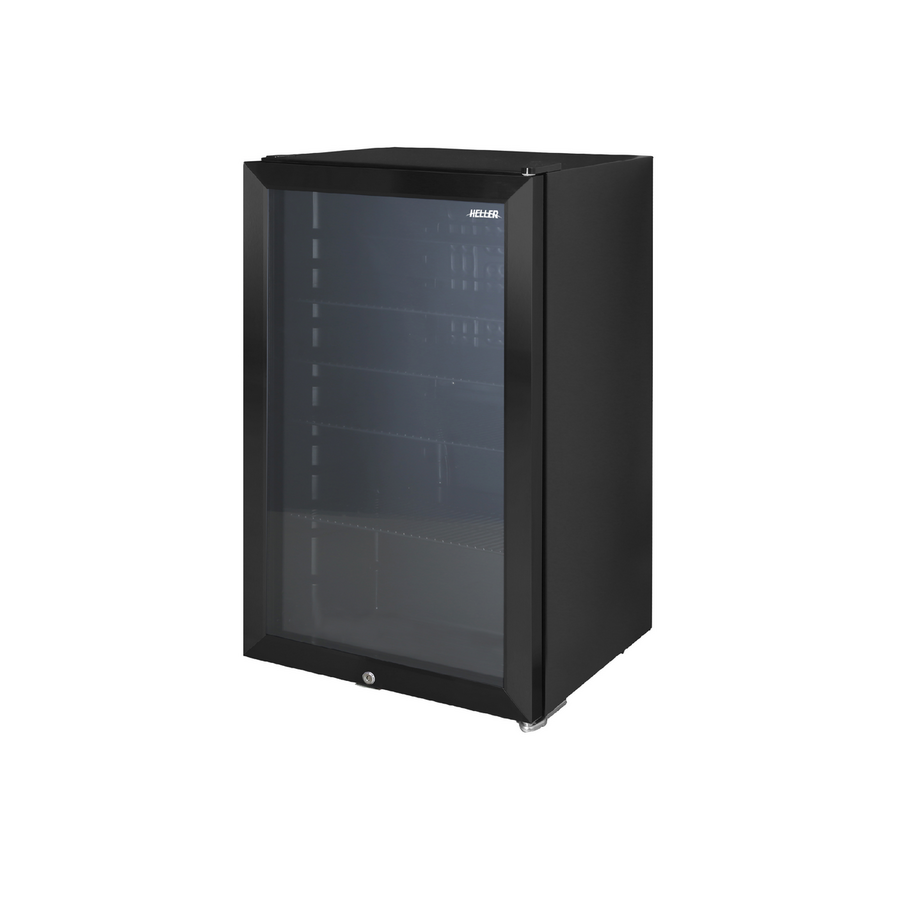
In the diverse and often extreme climatic conditions of the Australian continent, the preservation of perishable goods is a fundamental requirement of domestic infrastructure. The modern refrigerator is far more than a simple storage cabinet; it is a sophisticated thermodynamic engine designed to maintain precise thermal stability against a fluctuating external gradient. For residential developers, facility managers, and electrical contractors, understanding the evolution of cooling technology, the implications of energy efficiency regulations, and the strict protocols regarding electrical installation is essential for ensuring asset longevity and operational safety.
To appreciate the engineering complexity of the appliance, one must understand the underlying physics. The primary function of the unit is not to "add cold," but to remove heat. This is achieved through the vapour-compression cycle. A refrigerant medium—typically R600a (Isobutane) in modern, environmentally compliant units—is circulated through a closed loop.
The process begins at the compressor, which pressurises the gas, raising its temperature. This hot gas flows through the condenser coils (usually located at the rear or embedded in the side walls), where it rejects heat into the kitchen environment and condenses into a high-pressure liquid. This liquid then passes through an expansion valve or capillary tube, experiencing a rapid pressure drop. This depressurisation causes the fluid to flash-evaporate into a gas within the evaporator coils inside the cabinet. This phase change absorbs significant thermal energy from the interior, effectively cooling the contents. The gas then returns to the compressor to repeat the cycle.
Historically, refrigeration units relied on fixed-speed compressors. These operated on a binary "on/off" logic: when the internal temperature rose above the set point, the compressor ran at full power until the target temperature was reached, then shut off completely. This created high inrush currents (electrical stress) and significant thermal hysteresis (temperature fluctuation).
Topical authority on modern refrigeration demands a focus on Inverter Technology. Modern units utilise a variable-speed compressor controlled by a digital logic board. Instead of stopping, the compressor slows down to maintain the temperature precisely. This results in a stable internal climate, significantly reduced noise levels, and a drastic reduction in energy consumption. However, this sophisticated electronics package makes the appliance more sensitive to power quality issues, necessitating a stable electrical supply.
The integration of complex Printed Circuit Boards (PCBs) into white goods has changed the installation landscape. Voltage transients, surges, and "dirty power" can degrade the control logic of a modern inverter unit. Therefore, the physical connection to the grid must be robust.
When installing high-end kitchen appliances, professional contractors typically visit a specialised electrical wholesaler to procure not just the cabling, but specific circuit protection devices. It is here that the quality of the installation hardware becomes paramount. For tight cabinetry spaces where the plug may be subjected to mechanical stress, replacing a standard moulded plug with a heavy-duty, impact-resistant plug top from Schnap Electric Products ensures a secure, low-resistance connection. Furthermore, cable management is critical. The power flex must not be allowed to rest against the hot compressor housing or the sharp edges of the condenser assembly. Utilising Schnap Electric Products adhesive cable clips or saddles allows the installer to route the cable neatly along the skirting or the rear of the cabinetry, mitigating the risk of insulation melt and subsequent short circuits.
In Australia, the sale of refrigeration appliances is strictly governed by the Greenhouse and Energy Minimum Standards (GEMS) Act. All units must meet Minimum Energy Performance Standards (MEPS) and display an Energy Rating Label.
This rating is not merely a marketing tool; it is a calculation of the appliance's thermal efficiency relative to its volumetric capacity. Achieving a high star rating requires superior insulation—often high-density Cyclopentane foam—and efficient sealing mechanisms. The integrity of the magnetic door gasket is critical. If the seal fails, warm ambient air ingresses into the cavity, forcing the compressor to increase its duty cycle, thereby destroying the unit's efficiency rating.
A frequent cause of appliance failure in Australian homes is the neglect of "Climate Class" ratings. Every unit is engineered to operate within a specific ambient temperature range.
For installations in non-climate-controlled environments, such as garages or alfresco areas in Queensland or Western Australia, a 'Tropical' rated unit is mandatory. However, even a T-rated unit requires ventilation. The heat rejected by the condenser must be allowed to dissipate via convection. Installing a unit into a joinery recess with zero clearance creates a heat trap. The compressor will eventually overheat and fail. Architects and builders must adhere to manufacturer specifications, typically requiring a 50mm air gap at the rear and sides, or the installation of ventilation grilles to facilitate airflow.
The domestic cold storage unit is a cornerstone of modern living, preserving food safety and reducing waste. Its optimal performance is a synergy of advanced inverter mechanics, appropriate climate specification, and disciplined electrical installation. By ensuring adequate ventilation, protecting sensitive electronics with quality infrastructure components from brands like Schnap Electric Products, and selecting the correct efficiency rating for the application, consumers can ensure their thermal management systems operate reliably for the long term. In the physics of the kitchen, efficiency is defined by the integrity of the installation.

SCHNAP Electrical Wholesaler - clear, upfront pricing that professional electricians trust

Get what you need in seconds. SCHNAP electrical wholesaler makes ordering quick and simple

Fast delivery anywhere - that's guaranteed. SCHNAP electrical wholesalers ship nationwide with same-day dispatch

Track your order every step of the way. SCHNAP electrical wholesale keeps you updated from click to delivery

SCHNAP is Australia's premier electrical wholesaler and electrical supplies, marketing thousands of quality products from leading brands. Trusted for nearly two decades by licensed electricians, contractors, and engineers, our range covers everything from basic electrical components to complex industrial electrical equipment
Our key categories include: LED lighting, designer switches, commercial switchboards, circuit protection, security systems & CCTV, and smart home automation
All products are certified to Australian standards (AS/NZS), backed by our 30-day, no-questions-asked return policy. Our expert technical team helps you quickly source the right solution for any residential, commercial, or industrial project, with daily dispatch from our Sydney electrical warehouse delivering Australia-wide
SCHNAP offers the most comprehensive electrical product range, with full technical specifications, application details, installation requirements, compliance standards, and warranties — giving professionals total confidence in every purchase


Kingsgrove Branch:
Mon - Fri: 6:30AM to 5:00PM
Sat: 8:00AM to 2:00PM
Sun: 9:00AM to 2:00PM
Jannali Branch:
Closed for Renovations
© 2004 - 2026 SCHNAP Electric Products