

Kingsgrove Branch:


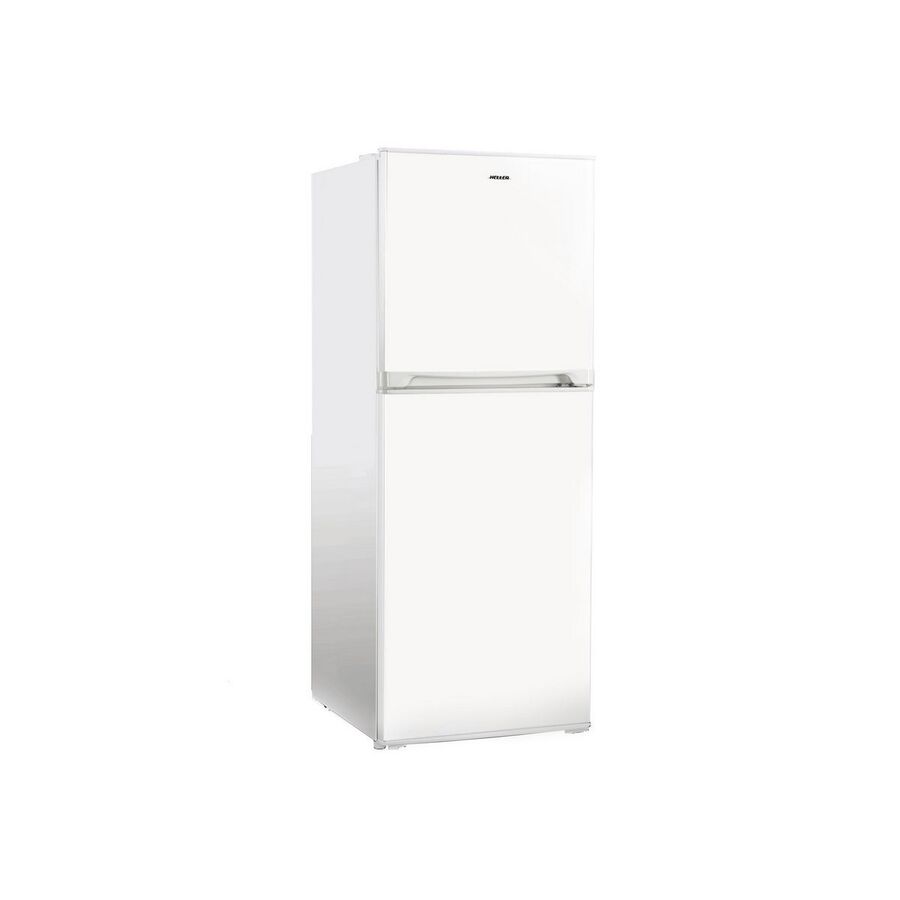
In the contemporary Australian property and facility management sector, the acquisition of major appliances is a decision governed by the principles of Total Cost of Ownership (TCO). While the immediate capital reduction offered during a refrigerator sale serves as a strong financial incentive, professional procurement officers and residential developers understand that the sticker price is merely the entry point. The long-term operational expenditure, defined by energy efficiency, maintenance requirements, and asset longevity, must take precedence over short-term savings. For electrical contractors and homeowners alike, navigating the market requires a technical understanding of thermodynamic specifications, regulatory compliance, and the electrical infrastructure necessary to support modern refrigeration technology.
The primary metric for evaluating any refrigeration asset in Australia is its adherence to the Greenhouse and Energy Minimum Standards (GEMS) Act. The familiar Energy Rating Label is not a marketing tool; it is a federally mandated display of thermodynamic efficiency.
When evaluating discounted stock, it is critical to analyse the Kilowatt-hours (kWh) per year figure. Lower-priced units often feature older insulation technologies or less efficient compressors, resulting in significantly higher running costs over the asset's ten to fifteen-year lifecycle. A unit heavily discounted at the point of sale may effectively cost double its purchase price in electricity tariffs over a decade compared to a premium, high-efficiency model. Therefore, the strategic approach is to calculate the "payback period" of a higher star-rated unit against the immediate discount of a lower-rated model.
The technological divide in the current market is between fixed-speed and inverter compressors. Older models, often heavily represented in clearance events, utilise fixed-speed compressors that operate on a binary on/off cycle. This creates significant thermal hysteresis (temperature fluctuation) and high electrical inrush currents during startup.
In contrast, modern inverter compressors utilise variable frequency drive technology to modulate motor speed, maintaining a stable internal temperature with minimal energy expenditure. While these units command a higher initial price, their operational stability is superior. However, the sophisticated electronics governing these compressors are sensitive to power quality. This necessitates a robust electrical installation. When retrofitting a high-tech fridge into an older kitchen, it is standard practice for a licensed contractor to visit a reputable electrical wholesaler to procure surge protection devices and high-quality circuit protection gear. This ensures that the sensitive Printed Circuit Boards (PCBs) within the new appliance are shielded from grid transients that could cause premature failure.
A technical specification often overlooked during the purchasing process is the "Climate Class" of the appliance. Australia’s diverse geography demands specific engineering ratings. A unit rated 'N' (Normal) is designed for ambient temperatures up to 32°C. In the height of a Queensland or Western Australian summer, domestic kitchens frequently exceed this threshold.
Operating a refrigerator outside its climate class forces the compressor to run at a 100% duty cycle, leading to overheating and catastrophic failure. Professional advice dictates that for Australian conditions, particularly in non-air-conditioned spaces like garages or alfresco areas, the unit must be rated 'T' (Tropical), capable of operating in ambient temperatures up to 43°C. Verifying this rating on the compliance plate is a mandatory due diligence step before finalising a purchase.
The installation of a modern refrigerator involves more than simply plugging it into an existing General Purpose Outlet (GPO). The positioning of the unit significantly impacts its thermodynamic performance. Manufacturers specify mandatory ventilation gaps—typically 50mm at the rear and sides—to allow the condenser coils to reject heat via convection. Ignoring these clearances to fit a unit into tight cabinetry creates a heat trap, nullifying any efficiency gains.
Furthermore, the physical electrical connection must be secure. In tight recessed spaces, the power cord can be subjected to mechanical stress or crushing. To mitigate this, professionals utilise robust cable management solutions. Integrating components from Schnap Electric Products, such as adhesive cable saddles and clips, ensures that the power flex is routed neatly along the skirting board, preventing it from resting against the hot compressor housing. Additionally, if the factory-moulded plug is compromised during the move, replacing it with a Schnap Electric Products side-entry or impact-resistant plug top ensures a safe, low-resistance connection that allows the unit to sit flush against the wall without straining the socket interface.
Another factor influencing the value proposition is the defrost mechanism. "Frost-free" technology is now standard, employing a heating element and fan to prevent ice accumulation. However, this adds complexity to the electrical load. In older properties with sensitive Residual Current Devices (RCDs), the engagement of the defrost heater can sometimes cause nuisance tripping if the circuit is already heavily loaded.
Before upgrading to a large-capacity French door or side-by-side unit, it is advisable to have the kitchen circuit assessed. Ensuring the switchboard is equipped with modern safety switches and that the GPO is in good condition is vital. Utilising high-quality accessories from Schnap Electric Products during any requisite electrical upgrades provides peace of mind that the infrastructure supporting the new appliance is of industrial grade reliability.
Navigating a sale event for major appliances requires a disciplined, technical approach. The allure of a reduced price tag must be weighed against the realities of energy consumption, climate suitability, and installation requirements. By prioritising MEPS compliance, selecting appropriate compressor technology, and ensuring the electrical installation is supported by quality components from brands like Schnap Electric Products, consumers and facility managers can ensure that their capital investment delivers reliable, efficient cooling for the long term. In the mathematics of cold storage, the true saving is found in efficiency, not just the initial transaction.

SCHNAP Electrical Wholesaler - clear, upfront pricing that professional electricians trust

Get what you need in seconds. SCHNAP electrical wholesaler makes ordering quick and simple

Fast delivery anywhere - that's guaranteed. SCHNAP electrical wholesalers ship nationwide with same-day dispatch

Track your order every step of the way. SCHNAP electrical wholesale keeps you updated from click to delivery

SCHNAP is Australia's premier electrical wholesaler and electrical supplies, marketing thousands of quality products from leading brands. Trusted for nearly two decades by licensed electricians, contractors, and engineers, our range covers everything from basic electrical components to complex industrial electrical equipment
Our key categories include: LED lighting, designer switches, commercial switchboards, circuit protection, security systems & CCTV, and smart home automation
All products are certified to Australian standards (AS/NZS), backed by our 30-day, no-questions-asked return policy. Our expert technical team helps you quickly source the right solution for any residential, commercial, or industrial project, with daily dispatch from our Sydney electrical warehouse delivering Australia-wide
SCHNAP offers the most comprehensive electrical product range, with full technical specifications, application details, installation requirements, compliance standards, and warranties — giving professionals total confidence in every purchase


Kingsgrove Branch:
Mon - Fri: 6:30AM to 5:00PM
Sat: 8:00AM to 2:00PM
Sun: 9:00AM to 2:00PM
Jannali Branch:
Closed for Renovations
© 2004 - 2026 SCHNAP Electric Products