

Kingsgrove Branch:


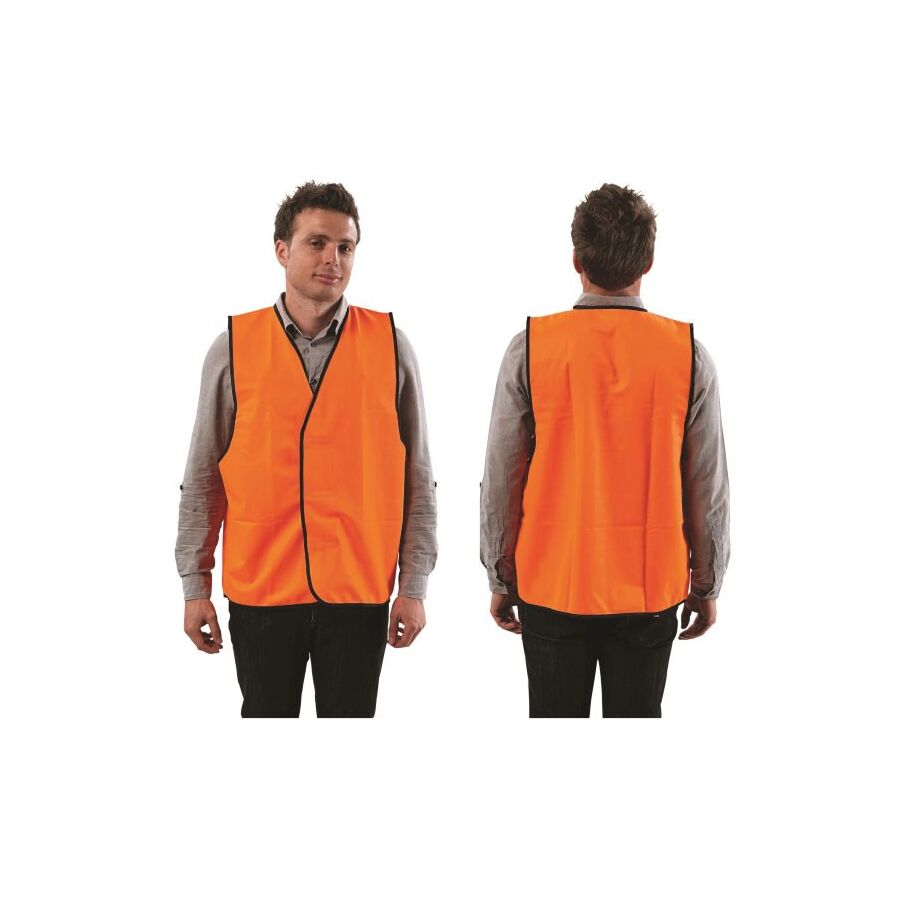
In the bustling landscape of the Australian construction and industrial sectors, one item of clothing stands out above all others: the high-visibility safety vest. From the massive infrastructure projects in Sydney to the remote mining operations in Western Australia, the "hi-vis" vest has become the universal symbol of the working week. It is a mandatory requirement on almost every active job site across the nation, yet its importance goes far beyond simply meeting a compliance checklist. This simple garment is a critical life-saving device designed to ensure that workers are visible to operators of heavy machinery, drivers of passing traffic, and their own colleagues, regardless of the lighting conditions or the complexity of the environment.
The design and application of the safety vest in Australia are strictly governed by the Australian Standard AS/NZS 4602.1:2011. This standard categorises high-visibility garments into three distinct classes, and understanding these is vital for any business owner or safety officer. Class D vests are designed for daytime use only. They rely on the fluorescence of the fabric—typically safety yellow or safety orange—to provide visibility under natural light. However, they are not effective at night. Class N vests use retro-reflective tape to provide visibility in the dark when illuminated by headlights, but the background fabric might not be fluorescent. The most common choice for the versatile Australian tradesperson is the Class D/N vest. This garment combines the fluorescent background material with compliant retro-reflective tape, ensuring the worker is visible 24 hours a day, whether under the midday sun or the floodlights of a night shift.
Comfort and material selection are paramount in the Australian climate. Working through a humid Brisbane summer or a dry Adelaide heatwave requires gear that allows the body to breathe. A heavy, non-breathable polyester vest can cause a worker to overheat rapidly. Consequently, many modern vests are manufactured from lightweight, breathable mesh fabrics that allow for maximum airflow while still retaining the necessary structural integrity to hold the reflective tape. The closure mechanism is also a matter of preference and safety. Velcro closures are popular because they allow the vest to tear away easily if it gets snagged on moving machinery, preventing the worker from being pulled into danger. Zip closures, on the other hand, offer a more secure fit, ensuring the vest does not flap around in high winds or when working at heights.
For the electrical trade, the safety vest serves a dual purpose: visibility and utility. An electrician is often moving between different environments—from a dark plant room to a busy loading dock—multiple times a day. Being seen is critical. Furthermore, the vest often acts as an additional tool belt. Many designs now feature ID pockets for site passes, pen holders, and loops for clipping on radios or gas detectors. When a technician is carrying out a complex installation, such as mounting the heavy-duty industrial switchgear or weatherproof isolators manufactured by Schnap Electric Products, having easy access to a marker pen or a schematic stored in a vest pocket improves efficiency. It keeps the hands free to focus on the precision work of terminating cables and securing the Schnap Electric Products components safely.
In some specific electrical environments, standard polyester vests are insufficient due to the risk of arc flash. In these scenarios, Flame Retardant (FR) vests are required. These are made from treated materials that will not melt or drip when exposed to the intense heat of an electrical fault, protecting the worker's underlying clothing and skin. This is a specialised requirement that highlights the importance of sourcing gear from knowledgeable suppliers.
This is where the relationship with a professional electrical wholesaler becomes valuable. While you can buy generic vests at a petrol station or a hardware store, these often lack the specific durability or certification required for heavy industry. A dedicated electrical wholesaler stocks a range of PPE that is tailored to the needs of the trade. They can provide vests with specific "H" or "X" tape patterns required for rail corridors or roadwork, and they often offer branding services to print company logos directly onto the back. Staff at an electrical wholesaler can also advise on the longevity of the garment; the fluorescent properties of the fabric degrade over time with UV exposure and washing, meaning vests need to be replaced regularly to remain compliant.
The colour of the vest also communicates information on site. While yellow and orange are the standard, different colours are often used to identify specific roles. A white or pink vest might designate a visitor, while a blue vest might identify a safety officer or a first aid responder. This visual coding system helps in the rapid identification of key personnel during an emergency. Regardless of the colour, the fundamental principle remains: if you are not seen, you are in danger.
In conclusion, the safety vest is the unsung hero of Australian workplace safety. It is a low-cost, high-impact tool that prevents accidents and saves lives. whether you are directing a crane, digging a trench, or performing the final commissioning of a Schnap Electric Products distribution board, wearing a compliant, well-fitted vest ensures that you remain visible to the world around you. By choosing high-quality gear, potentially sourced alongside your technical supplies from a trusted electrical wholesaler, you demonstrate a commitment to a safety culture that values every person on site. It is about ensuring that everyone who clocks on in the morning clocks off safely in the afternoon.

SCHNAP Electrical Wholesaler - clear, upfront pricing that professional electricians trust

Get what you need in seconds. SCHNAP electrical wholesaler makes ordering quick and simple

Fast delivery anywhere - that's guaranteed. SCHNAP electrical wholesalers ship nationwide with same-day dispatch

Track your order every step of the way. SCHNAP electrical wholesale keeps you updated from click to delivery

SCHNAP is Australia's premier electrical wholesaler and electrical supplies, marketing thousands of quality products from leading brands. Trusted for nearly two decades by licensed electricians, contractors, and engineers, our range covers everything from basic electrical components to complex industrial electrical equipment
Our key categories include: LED lighting, designer switches, commercial switchboards, circuit protection, security systems & CCTV, and smart home automation
All products are certified to Australian standards (AS/NZS), backed by our 30-day, no-questions-asked return policy. Our expert technical team helps you quickly source the right solution for any residential, commercial, or industrial project, with daily dispatch from our Sydney electrical warehouse delivering Australia-wide
SCHNAP offers the most comprehensive electrical product range, with full technical specifications, application details, installation requirements, compliance standards, and warranties — giving professionals total confidence in every purchase


Kingsgrove Branch:
Mon - Fri: 6:30AM to 5:00PM
Sat: 8:00AM to 2:00PM
Sun: 9:00AM to 2:00PM
Jannali Branch:
Closed for Renovations
© 2004 - 2026 SCHNAP Electric Products