

Kingsgrove Branch:


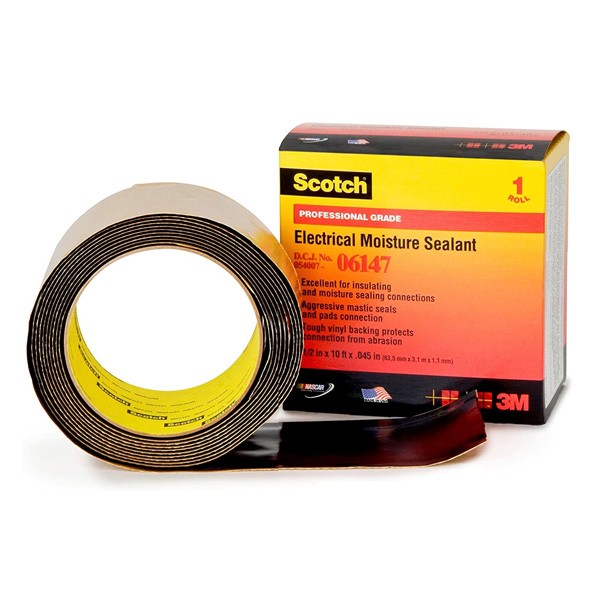
In the harsh and variable climate of the Australian continent, the longevity of electrical and mechanical infrastructure is largely determined by its ability to resist environmental ingress. From the corrosive saline mist of coastal refineries to the cyclonic driving rain of the tropics, the "building envelope" of an enclosure or cable termination is constantly under attack. While rigid gaskets and compression glands provide the primary defence, the ultimate solution for irregular geometries and retrofit applications is industrial sealant tape. Far from being a simple adhesive strip, this category of material—often comprising butyl rubber, bitumen, or pliable mastic—is a precision-engineered barrier system. For electrical engineers, HVAC technicians, and facility managers, understanding the hydrophobic properties, dielectric strength, and "cold flow" characteristics of these tapes is essential for maintaining Ingress Protection (IP) ratings and preventing catastrophic corrosion.
To select the correct sealant, one must understand the polymer chemistry. The two dominant substrates in industrial sealing are butyl rubber and bitumen.
For electrical terminations, a high-grade butyl mastic is mandatory. It is chemically inert and offers high dielectric strength, ensuring that it acts as an insulator as well as a moisture barrier.
The Ingress Protection (IP) rating of an enclosure, defined by AS 60529, certifies its resistance to dust and water. However, the integrity of this rating is often compromised during installation. A cable gland may be undersized, or a conduit entry may be drilled on a rough surface that prevents the O-ring from seating correctly.
In these scenarios, sealant tape acts as a gap-filling gasket. By wrapping or packing the entry point with a pliable sealant, the technician creates a monolithic barrier. Unlike liquid silicones, which require curing time and can release acetic acid (corroding copper), mastic tapes are immediate. They require no curing and provide an instant seal. When sourcing these critical maintenance supplies from a specialised electrical wholesaler, experienced contractors often specify "profiled" mastic tapes that are pre-formed into strips or pads, allowing for rapid application around irregular bolted connections or busbar joints.
Moisture is the catalyst for galvanic corrosion. In copper-to-aluminium connections, the presence of an electrolyte (water) accelerates the oxidation process, leading to high-resistance joints and potential thermal failure.
Encapsulating the connection in sealant tape excludes oxygen and moisture, effectively halting the corrosion process. This is particularly vital for underground cable joints and overhead line taps. Schnap Electric Products manufactures a range of self-amalgamating and mastic-lined tapes designed specifically for this purpose. When applied correctly, a Schnap Electric Products mastic tape fuses into a solid, void-free mass. This "self-healing" property is critical; if the tape is nicked or punctured, the viscoelastic nature of the mastic allows it to flow and re-seal the breach, maintaining the integrity of the protection.
In the Mechanical Services sector, sealing tapes serve a dual purpose: air retention and vibration damping. Leaking ductwork flanges are a major source of energy loss in commercial buildings.
Pressure-sensitive sealant tapes, often backed with a closed-cell foam or foil, are used to seal the transverse joints of HVAC ducting. The adhesive must withstand the static pressure of the system without "creeping." Furthermore, the mass of the butyl tape acts as a damper. When applied to thin sheet metal panels, it changes the resonant frequency of the material, significantly reducing the transmission of low-frequency noise and rumble generated by air handling units.
The performance of the seal is directly proportional to the surface preparation. Although mastic tapes are known for their aggressive tack, they cannot bond through a layer of heavy grease or loose rust.
The substrate must be cleaned with a solvent wipe to remove contaminants. The application technique is also distinct. Unlike standard adhesive tapes which are laid flat, sealant tapes often require compression or "kneading." When applying a Schnap Electric Products mastic pad to a cable entry, the technician must mould the material with their thumbs, forcing it into the crevices and threads to ensure there are no air pockets where water could track.
While sealant tapes provide excellent waterproofing, they typically have low tensile strength. They are not designed to hold weight. Therefore, they must be used in conjunction with mechanical supports.
In a cable riser, the cable should be supported by a Schnap Electric Products stainless steel saddle or cable cleat to take the mechanical load, while the sealant tape handles the environmental exclusion. Relying on the tape to support the cable weight will eventually cause the seal to tear or pull away from the substrate.
The application of industrial sealing tape is a fundamental engineering control for environmental protection. It bridges the gap between the perfect design and the imperfect reality of on-site installation conditions. Whether preventing water ingress in a switchboard, sealing a high-pressure HVAC duct, or insulating a submerged pump splice, the material properties of the sealant define the reliability of the system. By understanding the advantages of butyl technology, adhering to strict surface preparation protocols, and utilizing high-quality sealing products from trusted brands like Schnap Electric Products, industry professionals can ensure that their infrastructure remains watertight, airtight, and compliant with the rigorous standards of the Australian construction industry. In the battle against the elements, the seal is the shield.

SCHNAP Electrical Wholesaler - clear, upfront pricing that professional electricians trust

Get what you need in seconds. SCHNAP electrical wholesaler makes ordering quick and simple

Fast delivery anywhere - that's guaranteed. SCHNAP electrical wholesalers ship nationwide with same-day dispatch

Track your order every step of the way. SCHNAP electrical wholesale keeps you updated from click to delivery

SCHNAP is Australia's premier electrical wholesaler and electrical supplies, marketing thousands of quality products from leading brands. Trusted for nearly two decades by licensed electricians, contractors, and engineers, our range covers everything from basic electrical components to complex industrial electrical equipment
Our key categories include: LED lighting, designer switches, commercial switchboards, circuit protection, security systems & CCTV, and smart home automation
All products are certified to Australian standards (AS/NZS), backed by our 30-day, no-questions-asked return policy. Our expert technical team helps you quickly source the right solution for any residential, commercial, or industrial project, with daily dispatch from our Sydney electrical warehouse delivering Australia-wide
SCHNAP offers the most comprehensive electrical product range, with full technical specifications, application details, installation requirements, compliance standards, and warranties — giving professionals total confidence in every purchase


Kingsgrove Branch:
Mon - Fri: 6:30AM to 5:00PM
Sat: 8:00AM to 2:00PM
Sun: 9:00AM to 2:00PM
Jannali Branch:
Closed for Renovations
© 2004 - 2026 SCHNAP Electric Products