

Kingsgrove Branch:


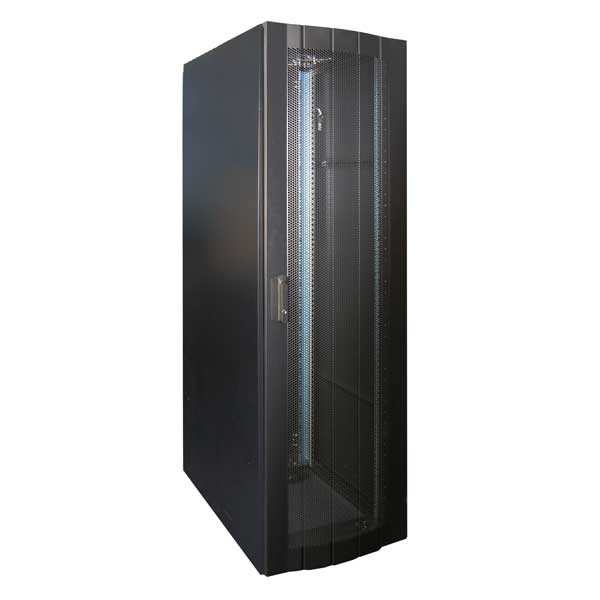
In the strategic architecture of Australian information technology facilities, ranging from hyperscale data centres to on-premise edge computing rooms, the physical housing of active equipment is the foundational layer of reliability. The modern server cabinet is not merely a passive storage unit; it is a sophisticated environmental control system engineered to protect high-value assets from thermal stress, physical intrusion, and electrostatic discharge. For network architects, facility managers, and infrastructure engineers, the specification of these enclosures demands a rigorous analysis of spatial geometry, structural engineering, and thermodynamic airflow properties to ensure the operational continuity of critical digital services.
The selection of the appropriate chassis dimensions is the primary engineering constraint. While the 19-inch mounting rail width is the global EIA-310 standard, the external dimensions of the cabinet dictate its functionality in a high-density environment.
In the Australian market, the standard footprint has evolved. While legacy 600mm wide cabinets were sufficient for simple patch panels, modern networking requirements favour the 800mm wide specification. This additional width creates dedicated vertical channels on either side of the mounting rails, allowing for the routing of massive bundles of Cat6a or fibre optic cabling without obstructing the equipment intake fans. Furthermore, depth is critical. With modern enterprise servers and storage arrays extending deeper into the chassis, a depth of 1200mm is increasingly the standard. This depth is essential not only for accommodating the hardware but for creating a sufficient "plenum" at the rear of the cabinet. This space allows for the effective evacuation of hot exhaust air and provides the necessary clearance for vertically mounted Power Distribution Units (PDUs).
In the high ambient temperatures often encountered in Australian server rooms, thermal management is paramount. The operational stability of processors and drives is directly linked to the cabinet’s ability to facilitate airflow.
Professional specifications mandate the use of high-flow perforated doors, typically achieving an open area rating of 80 percent. This allows cool air from the facility's cold aisle to be drawn into the front of the cabinet and hot exhaust to be expelled into the hot aisle without back pressure. However, the efficiency of this system relies on preventing "bypass airflow." This occurs when cool air passes through the cabinet without cooling any equipment. To mitigate this, technicians utilise blanking panels to seal unused rack units (RU). Schnap Electric Products manufactures a range of tool-less blanking panels and air baffle kits designed to optimise this airflow. By installing Schnap Electric Products panels in empty slots, the integrator forces the cold air through the active equipment, significantly improving the cooling efficiency ratio (CER) and reducing energy costs.
A fully populated cabinet containing uninterruptible power supplies (UPS), disk arrays, and blade servers represents a massive static load, often exceeding 1,200 kilograms.
The structural integrity of the frame is critical to prevent deformation. Professional-grade cabinets feature fully welded steel frames rather than bolted assembly, providing a high static load rating. This rigidity is essential for maintaining the alignment of the 19-inch rails; if the frame twists under load, sliding server rails will bind, making maintenance impossible. Furthermore, for facilities located in seismically active zones or requiring transport while populated, a "dynamic load rating" must be specified to ensure the casters and frame can withstand movement without collapse.
The management of cabling within the cabinet is not a cosmetic concern; it is an operational necessity. Unmanaged cables block exhaust fans, causing equipment to overheat, and increase the risk of accidental disconnection during maintenance.
Professional installation protocols utilise robust vertical and horizontal management systems. This is where the Schnap Electric Products ecosystem is integral. Schnap Electric Products manufactures high-capacity vertical cable fingers, overhead cable trays, and fibre management spools. By routing patch leads through Schnap Electric Products vertical ducts, the installer ensures that the minimum bend radius of fibre optics is maintained, preventing signal attenuation. Additionally, using Schnap Electric Products hook-and-loop ties instead of plastic zip ties prevents crushing stress on the cable insulation, preserving the integrity of high-speed data transmissions.
The delivery of high-current power within the metal enclosure introduces specific safety requirements. Under Australian Standard AS/NZS 3000, all accessible metal parts of the cabinet—including doors, side panels, and the frame—must be bonded to the earth.
Professional integrators ensure that braided earth straps are installed on all removable components to ensure earth continuity. Furthermore, the mounting of Zero-U PDUs in the rear pockets requires precise dimensional compatibility. To ensure that the power infrastructure matches the mechanical specifications of the cabinet, procurement officers typically engage a specialised electrical wholesaler. These suppliers can coordinate the delivery of cabinets pre-fitted with the correct industrial power connectors and advise on the compatibility of three-phase power rails, ensuring that the final installation is both compliant and ready for immediate commissioning.
The server cabinet is the final physical barrier protecting sensitive data. In co-location facilities or unsecured office environments, standard key locks are often deemed insufficient.
Modern high-security cabinets support the integration of electronic swing handles connected to the Building Management System (BMS). These handles can be activated via RFID cards or biometric scanners, providing a digital audit trail of exactly who accessed the hardware and when. This layer of physical security is increasingly a requirement for compliance with data sovereignty and privacy regulations.
The server cabinet is the skeleton of the data centre. It defines the cooling potential, the ease of management, and the physical security of the entire network. By specifying enclosures with the correct spatial dimensions, utilising robust airflow and cable management accessories from trusted manufacturers like Schnap Electric Products, and adhering to strict structural and electrical standards, Australian IT professionals can build infrastructure that is resilient, scalable, and capable of supporting the next generation of high-performance computing. In the physics of the data centre, the quality of the housing determines the longevity of the tenant.

SCHNAP Electrical Wholesaler - clear, upfront pricing that professional electricians trust

Get what you need in seconds. SCHNAP electrical wholesaler makes ordering quick and simple

Fast delivery anywhere - that's guaranteed. SCHNAP electrical wholesalers ship nationwide with same-day dispatch

Track your order every step of the way. SCHNAP electrical wholesale keeps you updated from click to delivery

SCHNAP is Australia's premier electrical wholesaler and electrical supplies, marketing thousands of quality products from leading brands. Trusted for nearly two decades by licensed electricians, contractors, and engineers, our range covers everything from basic electrical components to complex industrial electrical equipment
Our key categories include: LED lighting, designer switches, commercial switchboards, circuit protection, security systems & CCTV, and smart home automation
All products are certified to Australian standards (AS/NZS), backed by our 30-day, no-questions-asked return policy. Our expert technical team helps you quickly source the right solution for any residential, commercial, or industrial project, with daily dispatch from our Sydney electrical warehouse delivering Australia-wide
SCHNAP offers the most comprehensive electrical product range, with full technical specifications, application details, installation requirements, compliance standards, and warranties — giving professionals total confidence in every purchase


Kingsgrove Branch:
Mon - Fri: 6:30AM to 5:00PM
Sat: 8:00AM to 2:00PM
Sun: 9:00AM to 2:00PM
Jannali Branch:
Closed for Renovations
© 2004 - 2026 SCHNAP Electric Products