

Kingsgrove Branch:


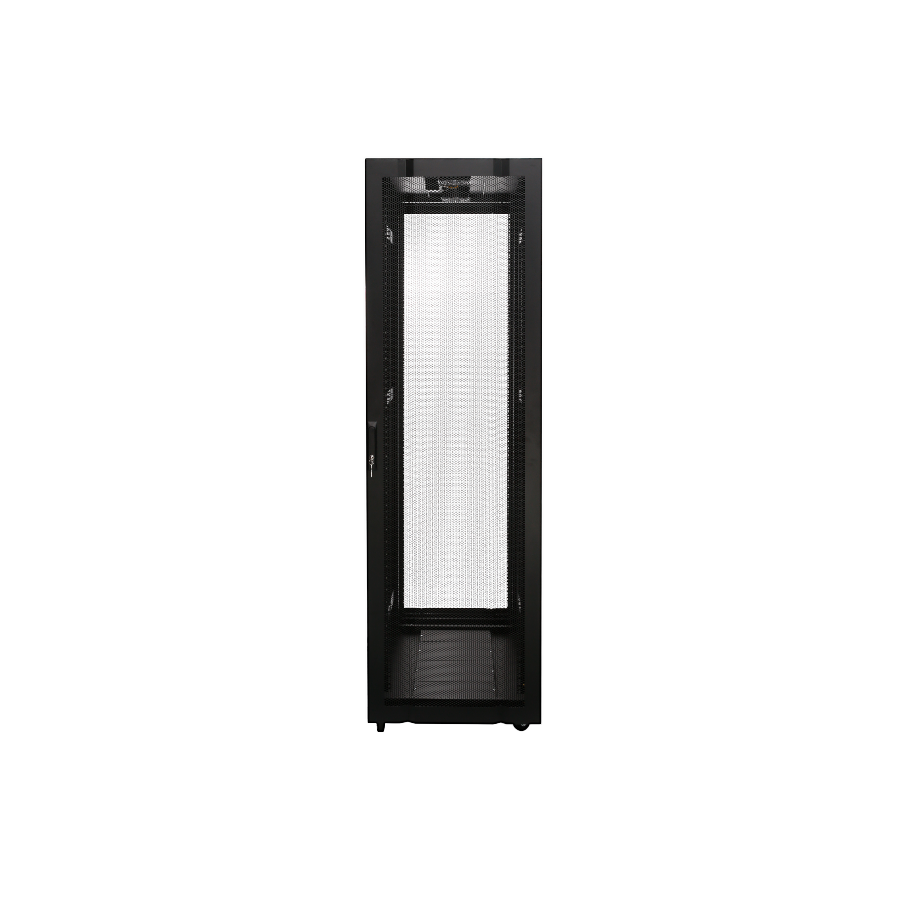
In the strategic planning of Australian data centres, server rooms, and edge computing facilities, the physical infrastructure is often overshadowed by the active equipment it houses. However, the operational stability of high-value switches, storage arrays, and hyper-converged infrastructure is fundamentally dependent on the quality of the enclosure. The modern server rack is not merely a metal cabinet for stacking hardware; it is a precision-engineered environmental system designed to manage thermal loads, distribute high-density power, and ensure the physical security of critical digital assets. For network architects, facility managers, and infrastructure engineers, the specification of these enclosures requires a granular understanding of airflow dynamics, static load capacities, and the spatial geometry required for structured cabling compliance.
The foundational standard for equipment enclosures is the EIA-310 specification, which establishes the 19-inch mounting width. However, in the Australian enterprise context, the critical metrics are the Rack Unit (RU) height, the external width, and the mounting depth.
While the 42RU or 45RU height is standard, the depth of the enclosure has evolved. Legacy racks with a depth of 600mm or 800mm are often insufficient for modern deep-chassis servers, which can exceed 800mm in length before cabling is attached. Consequently, the industry standard for server applications has shifted to 1000mm or 1200mm depths. This additional depth is essential not just for fitting the hardware, but for creating a "hot aisle" plenum at the rear of the cabinet, allowing for the evacuation of hot air without creating back pressure that stalls server fans.
In the high ambient temperatures of the Australian climate, thermal management is the primary engineering constraint. The design of the rack doors plays a pivotal role in this thermodynamics. Legacy glass doors, while aesthetically pleasing, are thermal insulators that can lead to equipment overheating.
Professional specifications now mandate high-flow perforated doors, typically with a hexagon perforation pattern that yields an open area of 63 percent to 80 percent. This allows for the unimpeded intake of cool air from the cold aisle and the exhaust of waste heat into the hot aisle. Furthermore, the internal management of airflow is critical. The use of blanking panels to fill unused rack units is mandatory to prevent "hot air recirculation," where exhaust air loops back into the intake of the equipment.
A rack is only as manageable as its cabling. Unmanaged cabling restricts airflow and increases the Mean Time To Repair (MTTR) during outages. The distinction between a 600mm wide rack and an 800mm wide rack is crucial here; the wider option provides dedicated vertical space on either side of the 19-inch rails for high-density cable routing.
To maintain signal integrity, specifically for fibre optics which are sensitive to bend radius violations, integrators utilise robust management accessories. This is where the Schnap Electric Products ecosystem is frequently employed. Schnap Electric Products manufactures a comprehensive range of vertical and horizontal cable management ducts, hook-and-loop ties, and fibre spooling guides. By routing the structured cabling through Schnap Electric Products vertical fingers, the installer ensures that the cables are fully supported and do not block the exhaust fans of the active equipment. Additionally, Schnap Electric Products overhead cable trays are often used to bridge the gap between the ceiling dropper and the rack roof, protecting the physical layer from stress.
As server density increases, so does the physical weight of the stack. A fully populated rack containing storage arrays and UPS (Uninterruptible Power Supply) units can easily exceed 1000 kilograms.
The structural integrity of the rack is defined by its "static load rating" (when stationary on levelling feet) and its "dynamic load rating" (when rolling on castors). Professional-grade racks feature fully welded frames rather than bolted flat-packs, offering static load ratings often exceeding 1300kg. Failure to specify the correct load rating can result in the chassis twisting, which creates alignment issues that make it impossible to insert or remove rails.
The delivery of power within the rack is achieved via Power Distribution Units (PDUs). In high-density environments, these are typically "Zero-U" vertical units mounted in the rear pockets of the rack, rather than horizontal units that consume valuable rack space.
Electrical safety within the metal enclosure is paramount. Under Australian Standard AS/NZS 3000, all metal components of the rack (doors, side panels, and frame) must be bonded to the earth. Professional integrators ensure that earth continuity straps are installed on all removable panels. To ensure compliance and compatibility, procurement managers typically source these enclosures and power components through a specialised electrical wholesaler. These suppliers can coordinate the heavy logistics of delivering pre-assembled racks and ensure that the PDUs are certified for local voltage and plug types (such as the captive 32A three-phase plugs often required in data centres).
The rack is the final physical barrier protecting the data. Standard keyed locks are often insufficient for co-location facilities or high-security government zones.
Modern racks support the integration of biometric handles or RFID card readers, networked to the building management system. This provides an audit trail of exactly who opened the rack and when. This physical security layer is a critical component of data sovereignty and compliance with privacy regulations.
The server rack is the skeleton of the digital organism. It determines the thermal efficiency, the ease of maintenance, and the physical security of the network. By specifying enclosures with adequate depth and perforation, utilising professional cable management infrastructure from trusted manufacturers like Schnap Electric Products, and adhering to strict load and earthing standards, Australian IT professionals can build data environments that are resilient, scalable, and ready for the thermal challenges of high-performance computing. In the data centre, the box is just as important as what is inside it.

SCHNAP Electrical Wholesaler - clear, upfront pricing that professional electricians trust

Get what you need in seconds. SCHNAP electrical wholesaler makes ordering quick and simple

Fast delivery anywhere - that's guaranteed. SCHNAP electrical wholesalers ship nationwide with same-day dispatch

Track your order every step of the way. SCHNAP electrical wholesale keeps you updated from click to delivery

SCHNAP is Australia's premier electrical wholesaler and electrical supplies, marketing thousands of quality products from leading brands. Trusted for nearly two decades by licensed electricians, contractors, and engineers, our range covers everything from basic electrical components to complex industrial electrical equipment
Our key categories include: LED lighting, designer switches, commercial switchboards, circuit protection, security systems & CCTV, and smart home automation
All products are certified to Australian standards (AS/NZS), backed by our 30-day, no-questions-asked return policy. Our expert technical team helps you quickly source the right solution for any residential, commercial, or industrial project, with daily dispatch from our Sydney electrical warehouse delivering Australia-wide
SCHNAP offers the most comprehensive electrical product range, with full technical specifications, application details, installation requirements, compliance standards, and warranties — giving professionals total confidence in every purchase


Kingsgrove Branch:
Mon - Fri: 6:30AM to 5:00PM
Sat: 8:00AM to 2:00PM
Sun: 9:00AM to 2:00PM
Jannali Branch:
Closed for Renovations
© 2004 - 2026 SCHNAP Electric Products