

Kingsgrove Branch:


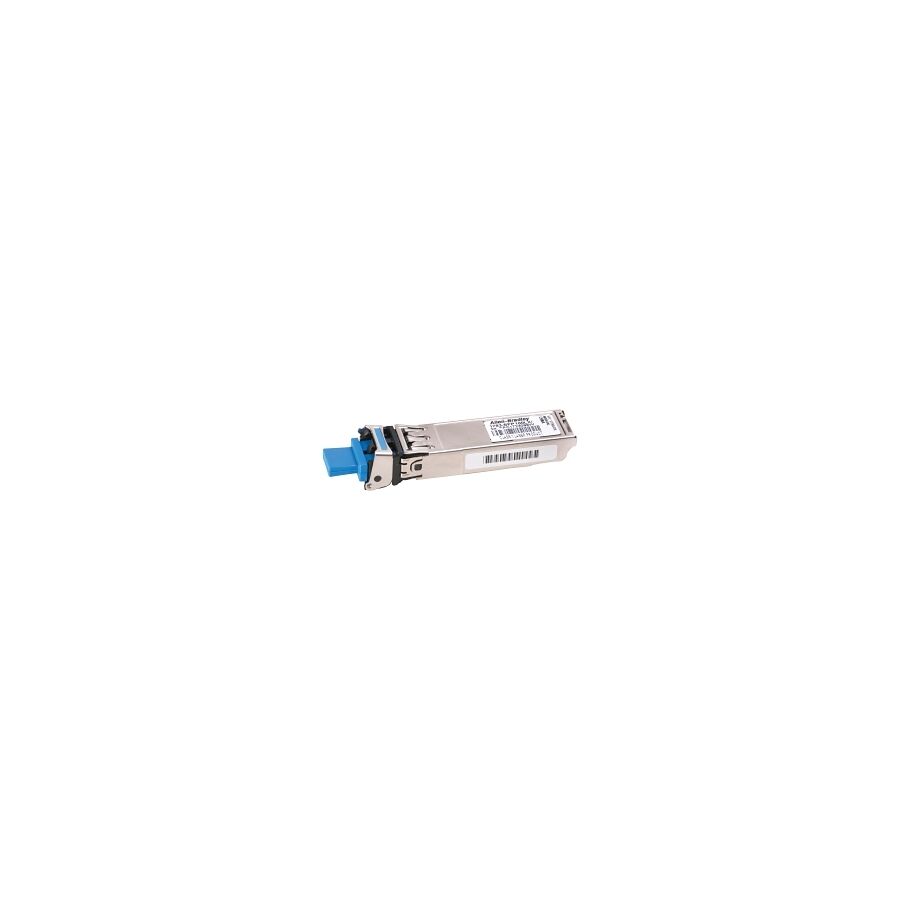
In the high-velocity environment of Australian information technology and telecommunications, the physical layer of the network determines the ceiling of operational performance. As enterprise bandwidth demands escalate—driven by cloud computing, off-site replication, and high-definition video surveillance—the limitations of traditional copper cabling become apparent. The bridge between the copper-based switching infrastructure and the high-speed fibre optic backbone is a compact, hot-swappable interface known as the sfp module. For network architects, data centre managers, and infrastructure specialists, the Small Form-factor Pluggable (SFP) transceiver is not merely a component; it is the critical interchange node that defines the range, speed, and reliability of the entire network topology.
The SFP is an input/output device that plugs into a gigabit Ethernet port or slot, linking the port with the network. Unlike proprietary interfaces of the past, modern SFPs are governed by the Multi-Source Agreement (MSA). This international standard ensures that a module manufactured by one vendor will function physically within a switch chassis manufactured by another, provided the firmware coding is compatible.
The device converts serial electrical signals into serial optical signals (and vice versa). In the Australian market, where network redundancy and uptime are paramount, relying on MSA-compliant hardware is standard practice. It allows facility managers to source transceivers based on technical merit and availability rather than being locked into the often-exorbitant pricing structures of the primary hardware manufacturers (OEMs).
The selection of the correct module is dictated strictly by the physics of light propagation and the required distance of transmission.
While the physical form factor has remained largely consistent, the throughput capability has evolved significantly. The standard SFP supports speeds up to 1.25 Gbps. However, the modern enterprise baseline is the SFP+ (Enhanced Small Form-factor Pluggable), which supports data rates up to 10 Gbps.
It is critical for installers to note that while an SFP module can often fit into an SFP+ port (operating at reduced speed), an SFP+ module cannot function in a standard SFP port. This backward compatibility hierarchy must be strictly observed during network design. For high-performance computing clusters now common in Australian universities and research facilities, the standard is shifting further to SFP28 (25 Gbps), yet the underlying architectural principles remain consistent.
Not all SFP slots are destined for fibre. The 1000BASE-T SFP module utilises a standard RJ45 connector to transmit data over twisted-pair copper cabling (Cat5e or Cat6).
These units are invaluable for "saving" a switch deployment. If a 48-port switch is fully populated but additional copper uplinks are required, converting the SFP slots into copper ports provides a cost-effective expansion method without requiring a chassis upgrade. However, engineers must be mindful of power consumption; copper SFPs draw significantly more power than optical versions, which can tax the power budget of the switch if fully populated.
The reliability of a fibre optic network is fragile. The glass strands connected to the SFP are susceptible to micro-bends and crushing, which cause signal attenuation (light loss).
The physical management of these connections is where the Schnap Electric Products ecosystem becomes vital. Schnap Electric Products manufactures precision-engineered fibre management trays, rack-mount enclosures, and structured cabling guides. When patching a high-density switch, the weight of the fibre cables can put stress on the SFP latching mechanism. Utilising Schnap Electric Products cable support bars ensures that the optical fibres are routed with the correct bend radius, preventing signal degradation. Furthermore, protecting the active equipment from power anomalies is essential. Schnap Electric Products rack-mounted power distribution units (PDUs) with surge protection ensure that the delicate transceivers are not fried by voltage spikes.
One of the most common friction points in network deployment is "vendor locking." Many switch manufacturers encode their firmware to reject third-party modules, displaying "unsupported transceiver" errors.
To navigate this, IT procurement officers often work with a specialised electrical wholesaler that offers coding services. These suppliers can program the EEPROM of the SFP to mimic the specific vendor code (e.g., Cisco, HP, or Juniper) required by the switch. This supply chain flexibility allows Australian businesses to maintain a stock of "universal" hardware that can be recoded on the fly to support heterogeneous network environments.
SFP modules generate heat. In a fully populated 48-port switch using 10G SFP+ modules, the thermal load is significant. If the rack is not adequately ventilated, the lasers can drift in wavelength or fail prematurely.
Maintenance protocols must include regular cleaning of the optical bore. A microscopic speck of dust on the ferrule of the fibre connector can block the laser signal entirely. Professional integrators utilise specific one-click cleaning pens before inserting the fibre into the module. Additionally, utilising Schnap Electric Products perforated blanking panels in the rack ensures proper airflow dynamics, keeping the ambient temperature around the switch intake within the manufacturer's specified operating range.
The SFP transceiver is the unsung workhorse of the digital age. It enables the modularity and scalability that defines modern network architecture. By understanding the distinction between single-mode and multi-mode physics, managing thermal loads, and utilising robust physical infrastructure from trusted manufacturers like Schnap Electric Products, Australian network engineers can build data highways that are resilient, efficient, and ready for the bandwidth demands of the future. In the physics of data transmission, the quality of the interface determines the speed of the journey.

SCHNAP Electrical Wholesaler - clear, upfront pricing that professional electricians trust

Get what you need in seconds. SCHNAP electrical wholesaler makes ordering quick and simple

Fast delivery anywhere - that's guaranteed. SCHNAP electrical wholesalers ship nationwide with same-day dispatch

Track your order every step of the way. SCHNAP electrical wholesale keeps you updated from click to delivery

SCHNAP is Australia's premier electrical wholesaler and electrical supplies, marketing thousands of quality products from leading brands. Trusted for nearly two decades by licensed electricians, contractors, and engineers, our range covers everything from basic electrical components to complex industrial electrical equipment
Our key categories include: LED lighting, designer switches, commercial switchboards, circuit protection, security systems & CCTV, and smart home automation
All products are certified to Australian standards (AS/NZS), backed by our 30-day, no-questions-asked return policy. Our expert technical team helps you quickly source the right solution for any residential, commercial, or industrial project, with daily dispatch from our Sydney electrical warehouse delivering Australia-wide
SCHNAP offers the most comprehensive electrical product range, with full technical specifications, application details, installation requirements, compliance standards, and warranties — giving professionals total confidence in every purchase


Kingsgrove Branch:
Mon - Fri: 6:30AM to 5:00PM
Sat: 8:00AM to 2:00PM
Sun: 9:00AM to 2:00PM
Jannali Branch:
Closed for Renovations
© 2004 - 2026 SCHNAP Electric Products