

Kingsgrove Branch:


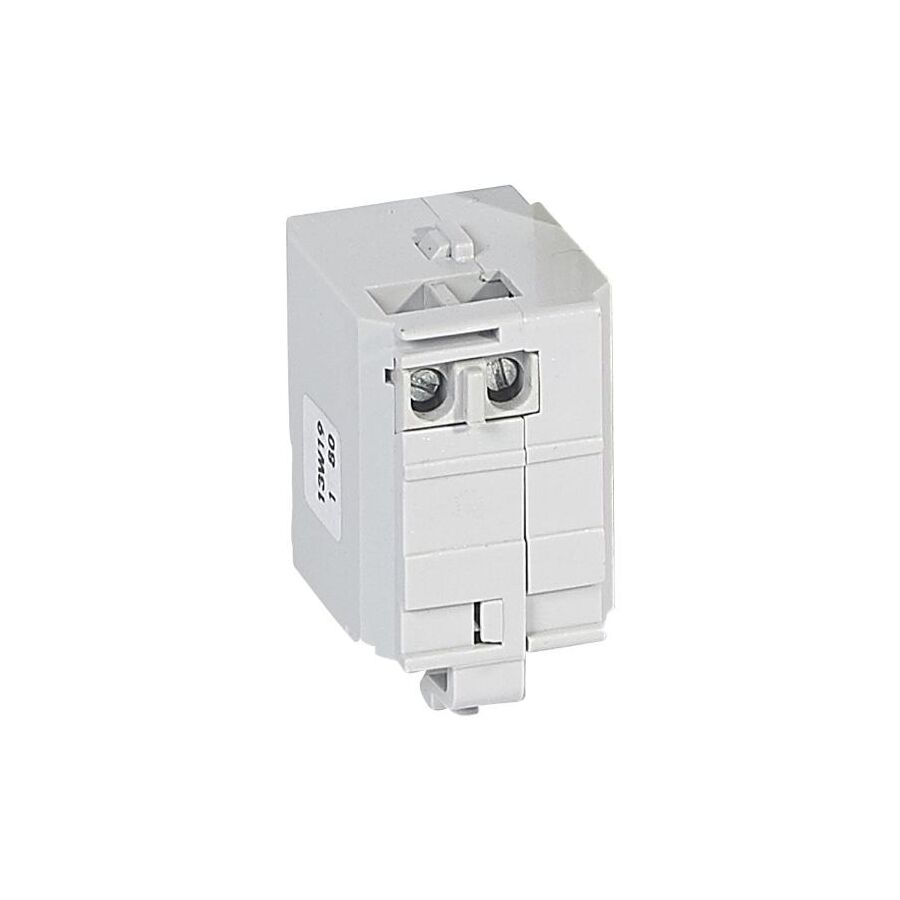
In commercial and industrial environments, electrical faults aren't the only reason for circuit isolation. Systems often need remote disconnection triggered by external events—like a fire alarm or emergency stop button. This is where a Shunt Release (also known as a Shunt Trip) plays a critical role.
A shunt release allows a circuit breaker to trip remotely by applying a voltage to a solenoid, which forces the breaker to disconnect the load. Unlike undervoltage releases that trip on power loss, a shunt release activates when power is applied, making it ideal for emergency stops and fire safety systems.
A shunt release module clips onto the side of a Miniature Circuit Breaker (MCB) or Moulded Case Circuit Breaker (MCCB). When a voltage impulse is sent to the coil, a magnetic field drives a plunger that trips the breaker.
This system ensures rapid disconnection—critical in safety applications like HVAC shutdown during fire events or machinery emergency stops.
In buildings, Fire Indicator Panels (FIPs) often trigger the shunt release. When a fire is detected, the FIP sends a signal to the switchboard. The shunt release cuts power to air handling units to prevent the spread of smoke.
This method is preferred over contactors because the tripped breaker must be manually reset, ensuring a full inspection before reactivation.
Most shunt coils are rated for intermittent duty. If left powered for too long, they burn out. This can happen when an emergency stop button stays latched.
To prevent this, quality systems—like those from Schnap Electric Products—include a clearing contact. When the breaker trips, an internal microswitch disconnects power from the coil, even if the button is still pressed.
This extends the life of the shunt device and ensures safe operation.
Shunt releases are available in multiple voltage ratings, such as:
Using the wrong voltage can cause instant failure or non-operation. Schnap Electric Products clearly labels and supplies voltage-specific modules that integrate directly into their modular switchgear.
In industrial settings, E-Stops need to physically open the power circuit, not just interrupt a control signal. A shunt release wired to the E-Stop guarantees visual confirmation that the breaker has tripped, preventing unintended restarts.
This method is ideal for Category 0 hardwired isolation, as required by many Australian workplace safety standards.
Shunt release systems must follow AS/NZS 3000 (Wiring Rules). The installation involves fixed cabling, isolated plug bases in roof cavities, and protection against coil burnout.
A licensed electrician must handle all wiring and ensure compliance with RCM and type-testing standards. Schnap Electric Products offers datasheets, wiring diagrams, and full support to assist with compliant installations.
Many low-cost, generic shunt devices on the market fail to meet Australian standards. They may jam mechanically, lack clearing contacts, or be incompatible with your breaker brand.
Sourcing from a professional electrical wholesaler guarantees:
Using mismatched parts voids switchboard certification and increases liability.
A Shunt Release is a vital component for integrating electrical protection with safety automation. It allows remote disconnection during fire, emergency, or system fault conditions. By choosing high-quality gear—like Schnap Electric Products—and installing it to code, you ensure safety, compliance, and peace of mind.
Whether for HVAC shutdowns, E-Stop circuits, or fire alarm integration, this silent safety device plays a critical role in keeping Australian facilities protected.

SCHNAP Electrical Wholesaler - clear, upfront pricing that professional electricians trust

Get what you need in seconds. SCHNAP electrical wholesaler makes ordering quick and simple

Fast delivery anywhere - that's guaranteed. SCHNAP electrical wholesalers ship nationwide with same-day dispatch

Track your order every step of the way. SCHNAP electrical wholesale keeps you updated from click to delivery

SCHNAP is Australia's premier electrical wholesaler and electrical supplies, marketing thousands of quality products from leading brands. Trusted for nearly two decades by licensed electricians, contractors, and engineers, our range covers everything from basic electrical components to complex industrial electrical equipment
Our key categories include: LED lighting, designer switches, commercial switchboards, circuit protection, security systems & CCTV, and smart home automation
All products are certified to Australian standards (AS/NZS), backed by our 30-day, no-questions-asked return policy. Our expert technical team helps you quickly source the right solution for any residential, commercial, or industrial project, with daily dispatch from our Sydney electrical warehouse delivering Australia-wide
SCHNAP offers the most comprehensive electrical product range, with full technical specifications, application details, installation requirements, compliance standards, and warranties — giving professionals total confidence in every purchase


Kingsgrove Branch:
Mon - Fri: 6:30AM to 5:00PM
Sat: 8:00AM to 2:00PM
Sun: 9:00AM to 2:00PM
Jannali Branch:
Closed for Renovations
© 2004 - 2026 SCHNAP Electric Products