

Kingsgrove Branch:


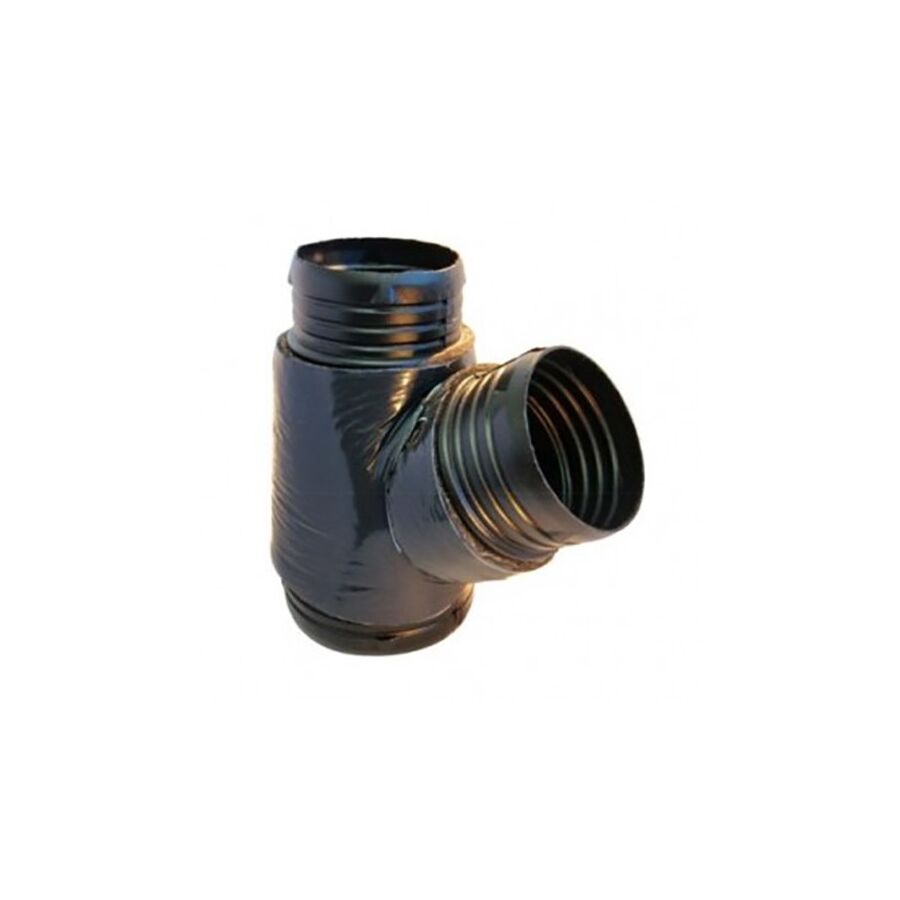
The efficiency of a Heating, Ventilation, and Air Conditioning (HVAC) system is not only measured by the COP of the central unit. While rooftop chillers or package systems produce thermal energy, it's the distribution network that determines how effectively this energy reaches occupied zones. In Australian commercial HVAC, duct design is a core engineering discipline. Every branch, reducer, or elbow adds static pressure. The most common divergence point in a system is where a smaller duct splits from the trunk to supply a specific diffuser or space. The component that manages this is the Single Branch Take Off (BTO)—a critical fitting engineered for aerodynamic efficiency, pressure control, and system noise reduction.
Aerodynamics and Entry Geometry Air resists abrupt directional changes. Forcing airflow to turn 90° sharply increases turbulence and static pressure, reducing overall system efficiency. High-performance BTOs use a 45° angled or curved entry shoe to encourage laminar flow into the branch duct. This smoother transition minimises equivalent length resistance, reducing load on the fan and eliminating noise issues. Mechanical engineers often specify 45° or 60° fittings to prevent low-frequency rumble from transmitting into office zones via duct resonance.
Material Construction and Structural Rigidity AS 4254 outlines duct construction in Australia. Most take offs are fabricated from galvanised steel for strength and compliance. Secure attachment to the main duct—via rivets or clinching—is essential to prevent vibration-induced loosening. Metal gauge must resist pressure pulsations, especially in Variable Air Volume (VAV) systems. In high-humidity or corrosive environments like indoor pools or coastal areas, stainless steel or rigid PVC alternatives are specified to avoid long-term degradation.
Sealing and Insulation Compliance Air leakage is a hidden energy cost in HVAC. NCC Section J limits allowable leakage, making tight sealing essential. The join between the take off and trunk duct must be sealed using mastic or high-density gaskets—not just friction. The outer metal must also be thermally insulated with foil-faced batts to prevent condensation and ceiling damage, especially in humid zones. Without proper sealing, diverted air escapes, reducing zone conditioning and increasing operational costs.
Damper Control and Electrical Integration Many branch take offs also include airflow regulation via manual quadrant dampers or motorised actuators. These require power and control wiring, introducing an electrical interface. Schnap Electric Products supports this need with a range of cable trays, suspension mounts, and UV-stable ties for securely routing control cables across duct exteriors. Their identification systems also help facility managers label and trace zone actuators quickly for efficient servicing.
Spigot Design and Flexible Duct Compatibility Take offs often connect to flexible ducts for terminal delivery. These must have a beaded or crimped collar to grip the duct core. A smooth collar risks disconnection under pressure, leading to costly air losses. Secure with a tension strap or clamp for long-term stability. Poor fittings can lead to conditioned air leaking into the ceiling void—wasting energy and failing to meet zone comfort levels.
Procurement and Sizing Accuracy Precise sizing is crucial. Although duct diameters are standardised (150mm–300mm), variations in manufacturing can cause poor fitment. Undersized collars leak; oversized ones deform the duct wall. Professional HVAC contractors source branch take offs from reputable suppliers who meet Z275 galvanised coating standards and ensure clean edge finishes. Wholesalers like those stocking Schnap Electric Products often supply both the mechanical fittings and the compatible cable accessories needed for efficient installs.
Conclusion The single branch take off is a silent powerhouse in ducted HVAC systems. It controls how air moves from the trunk to the terminal zone. Prioritising aerodynamic design, compliant sealing, and integrated control hardware from brands like Schnap Electric Products ensures efficient, quiet, and durable air delivery. In HVAC physics, the precision of the turn determines the power of the flow—and the comfort of the occupant.

SCHNAP Electrical Wholesaler - clear, upfront pricing that professional electricians trust

Get what you need in seconds. SCHNAP electrical wholesaler makes ordering quick and simple

Fast delivery anywhere - that's guaranteed. SCHNAP electrical wholesalers ship nationwide with same-day dispatch

Track your order every step of the way. SCHNAP electrical wholesale keeps you updated from click to delivery

SCHNAP is Australia's premier electrical wholesaler and electrical supplies, marketing thousands of quality products from leading brands. Trusted for nearly two decades by licensed electricians, contractors, and engineers, our range covers everything from basic electrical components to complex industrial electrical equipment
Our key categories include: LED lighting, designer switches, commercial switchboards, circuit protection, security systems & CCTV, and smart home automation
All products are certified to Australian standards (AS/NZS), backed by our 30-day, no-questions-asked return policy. Our expert technical team helps you quickly source the right solution for any residential, commercial, or industrial project, with daily dispatch from our Sydney electrical warehouse delivering Australia-wide
SCHNAP offers the most comprehensive electrical product range, with full technical specifications, application details, installation requirements, compliance standards, and warranties — giving professionals total confidence in every purchase


Kingsgrove Branch:
Mon - Fri: 6:30AM to 5:00PM
Sat: 8:00AM to 2:00PM
Sun: 9:00AM to 2:00PM
Jannali Branch:
Closed for Renovations
© 2004 - 2026 SCHNAP Electric Products