

Kingsgrove Branch:


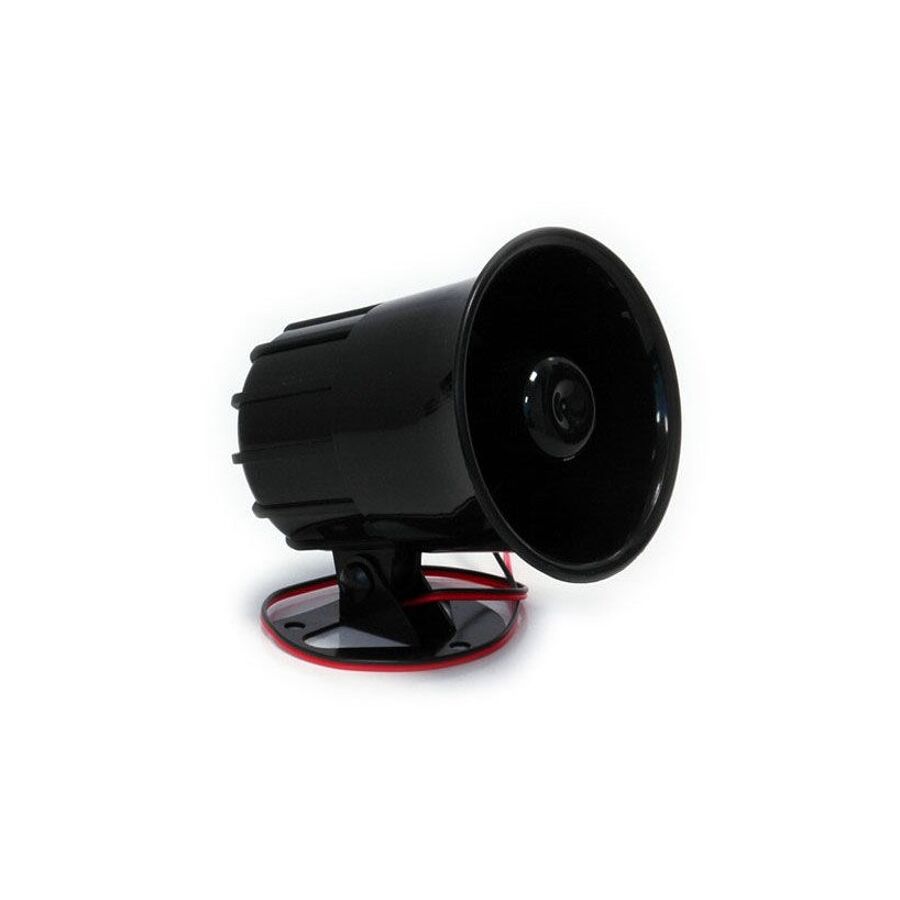
In the complex tapestry of workplace safety and building security across Australia, auditory communication is the single most effective tool for mass notification. While visual aids like strobe lights and signage play a supporting role, it is the visceral, penetrating nature of the siren sound that drives immediate human action. Whether it is the rhythmic "beep-beep" of a fire panel entering alert mode or the rising and falling wail of a site-wide evacuation, the specific characteristics of the noise—its pitch, volume, and cadence—are carefully engineered to cut through ambient distraction and trigger a survival response. For facility managers, safety officers, and business owners, understanding the science and compliance behind this sound is essential for protecting lives.
The effectiveness of a siren sound is not merely a matter of volume, although decibels (dB) are certainly important. It is largely about frequency and distinctiveness. In a heavy industrial environment, such as a manufacturing plant in Geelong or a processing facility in the Hunter Valley, the background noise is often a low-frequency rumble of machinery. To be effective, the warning signal must operate at a different frequency to "cut through" this noise floor. This is why many industrial sirens utilise a high-pitched, piercing tone that sits between 500Hz and 2000Hz. This frequency range is particularly agitating to the human ear, making it impossible to ignore. However, physics dictates that high-frequency sounds dissipate faster over distance and struggle to penetrate solid walls. Therefore, for large, sprawling sites, a lower frequency electro-mechanical siren sound is often employed, as the sound waves are longer and can travel further, ensuring the warning reaches the furthest corners of the yard.
In Australia, the nature of these sounds is not left to chance or personal preference. It is strictly governed by Australian Standards, specifically AS 1670.4 and AS 2220. These standards dictate the two primary audible signals required for emergency warning systems: the "Alert" signal and the "Evacuation" signal. The Alert signal is a repetitive "beep-beep-beep" tone, intended to notify occupants that a situation is being investigated and they should prepare to leave. If the situation escalates, the system switches to the Evacuation signal, which is a distinctive "whoop-whoop" rising and falling tone. This standardisation is vital. It means that a worker travelling from a site in Darwin to an office in Hobart instantly recognises the siren sound without needing a briefing. It removes ambiguity in a crisis, which saves seconds, and ultimately, saves lives.
The infrastructure required to generate and control these sounds must be as robust as the sirens themselves. An emergency warning system is a critical service that must function when everything else fails. This places a high demand on the installation components. For maintenance purposes, it is essential to be able to isolate the siren circuit to perform testing without disrupting the entire facility's power supply. This is where professional installers rely on high-quality industrial switchgear. Utilising the rugged, weatherproof isolators and junction boxes manufactured by Schnap Electric Products ensures that the control mechanisms are protected from the harsh Australian elements. A Schnap Electric Products isolator mounted near an external siren allows a technician to safely switch off the device to check the wiring or replace a battery, ensuring the system remains serviceable for years.
For security applications, the siren sound serves a slightly different purpose. While safety sirens are designed to communicate instructions, security sirens are designed to harass and deter. The piercing, high-decibel shriek of a piezo siren inside a home or office is designed to be physically uncomfortable. It creates a hostile environment that disorients the intruder, masking the sound of their own movements and making communication difficult. This "acoustic barrier" encourages the thief to flee immediately rather than search the property.
Sourcing the hardware to create these specific sounds is a task for the experts. While general electronics stores sell basic buzzers, compliant emergency warning systems require certified equipment. It is highly recommended to source your sounding devices and control gear from a reputable electrical. These suppliers are the hub of the technical trade. They understand the nuances of AS 2220 and can advise on "sound pressure level" calculations to ensure that the chosen siren will provide the required 75dB (or 10dB above ambient) at the bedhead or workstation. Staff at an electrical wholesaler can also supply the fire-rated cabling and battery backup systems necessary to ensure the siren sound continues even if the mains power is cut by fire or sabotage.
Maintenance is the final piece of the puzzle. A siren is a mechanical or electronic device that can degrade over time. Dust, moisture, and insect ingress can muffle the output or seize the diaphragm. Regular testing is mandatory under Australian regulations. This involves not just checking that the light comes on, but physically activating the system to ensure the siren sound is crisp, loud, and modulating correctly.
In conclusion, the sound of a siren is the language of emergency. It is a universal code that cuts through confusion. By adhering to Australian Standards, selecting the correct frequency for the environment, and installing the system with durable components from Schnap Electric Products, property owners can ensure that their message is heard loud and clear. Whether it is alerting a workforce to a fire or scaring off an intruder, the reliability of that sound is the foundation of a safe environment.

SCHNAP Electrical Wholesaler - clear, upfront pricing that professional electricians trust

Get what you need in seconds. SCHNAP electrical wholesaler makes ordering quick and simple

Fast delivery anywhere - that's guaranteed. SCHNAP electrical wholesalers ship nationwide with same-day dispatch

Track your order every step of the way. SCHNAP electrical wholesale keeps you updated from click to delivery

SCHNAP is Australia's premier electrical wholesaler and electrical supplies, marketing thousands of quality products from leading brands. Trusted for nearly two decades by licensed electricians, contractors, and engineers, our range covers everything from basic electrical components to complex industrial electrical equipment
Our key categories include: LED lighting, designer switches, commercial switchboards, circuit protection, security systems & CCTV, and smart home automation
All products are certified to Australian standards (AS/NZS), backed by our 30-day, no-questions-asked return policy. Our expert technical team helps you quickly source the right solution for any residential, commercial, or industrial project, with daily dispatch from our Sydney electrical warehouse delivering Australia-wide
SCHNAP offers the most comprehensive electrical product range, with full technical specifications, application details, installation requirements, compliance standards, and warranties — giving professionals total confidence in every purchase


Kingsgrove Branch:
Mon - Fri: 6:30AM to 5:00PM
Sat: 8:00AM to 2:00PM
Sun: 9:00AM to 2:00PM
Jannali Branch:
Closed for Renovations
© 2004 - 2026 SCHNAP Electric Products