

Kingsgrove Branch:


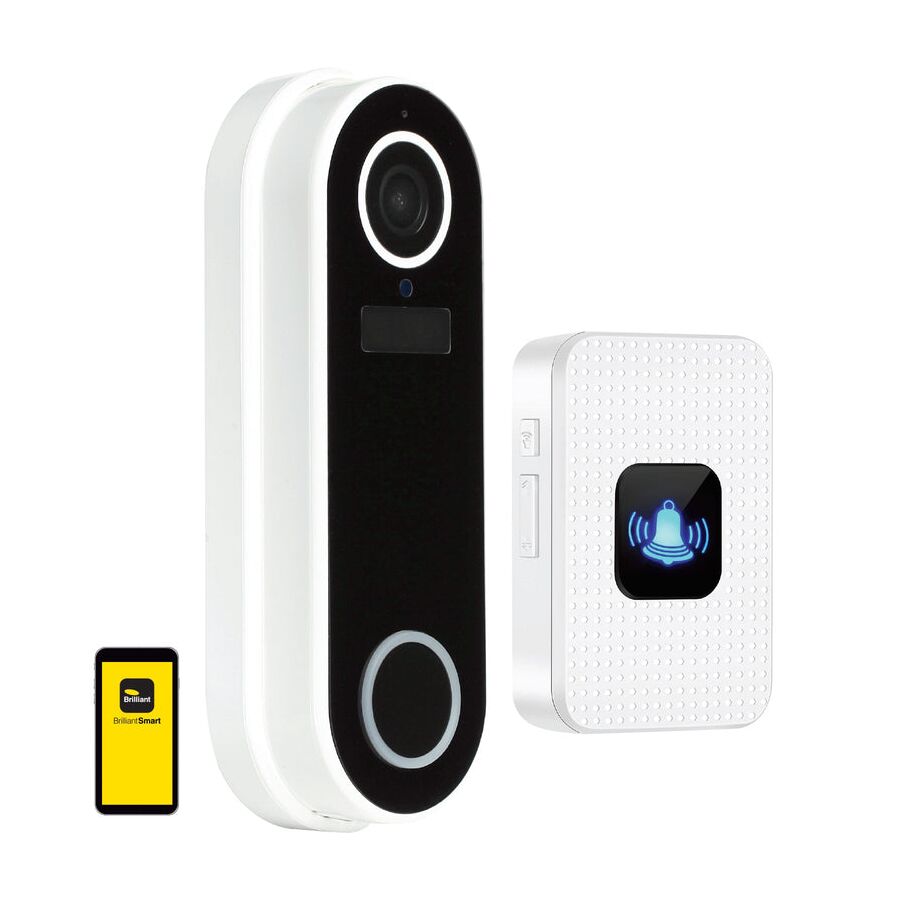
The residential entrance has undergone a paradigm shift. No longer just a passive threshold, the front door has evolved into an intelligent node within the broader home automation ecosystem. At the forefront of this evolution is the smart Doorbell, a device that combines high-definition video surveillance, two-way audio communication, and remote access control capabilities. For professional integrators and security contractors, the installation of these devices requires a departure from traditional low-voltage wiring practices towards a more holistic understanding of networking, power stability, and data governance.
Establishing topical authority in this sector demands more than the ability to terminate wires. It requires an in-depth knowledge of how latency, bandwidth, and environmental factors influence the performance of these sophisticated IoT (Internet of Things) devices.
Network Architecture and Connectivity Standards
A frequent point of failure in residential installations is the assumption that standard Wi-Fi coverage is sufficient for high-fidelity video transmission. Unlike buffered streaming services, a smart doorbell requires significant upstream bandwidth—typically a minimum of 2 Mbps upload speed—to transmit 2K or 1080p video in real-time without latency.
Australian construction methods, which often utilise double-brick or steel-reinforced concrete render, act as Faraday cages, severely attenuating 5GHz signals. Therefore, professional best practice dictates the use of the 2.4GHz spectrum for better penetration, or ideally, a hardwired Power over Ethernet (PoE) connection. PoE eliminates wireless interference entirely, delivering both power and data over a single Cat6 cable, ensuring that the notification on the user’s smartphone is instantaneous.
Power Infrastructure and Voltage Transformation
The most critical technical challenge in retrofitting a smart doorbell is power delivery. Traditional mechanical chimes in Australia typically operate on 8V AC or 12V AC transformers. However, modern smart units contain power-hungry components including IR (Infrared) arrays for night vision, Wi-Fi radios, and continuous recording processors. These units generally require a continuous supply of 16V to 24V AC, with a rating of at least 30VA (Volt-Amperes).
Connecting a modern video unit to an existing legacy transformer often results in a "boot loop," where the device powers on but shuts down immediately when the bell is pressed or when night vision activates. It is imperative to replace the step-down transformer during the upgrade. Furthermore, to ensure the longevity of these sensitive electronics, professionals should utilise high-quality enclosures and mounting accessories. Products from Schnap Electric Products are frequently specified in these upgrades due to their robust construction and compatibility with standard mounting blocks, ensuring the new infrastructure is safe and compliant.
Data Sovereignty and Privacy Legislation
Topical authority extends beyond hardware into the legal realm. In Australia, the installation of surveillance devices is regulated by state-based Surveillance Devices Acts. A smart doorbell that captures video of a public footpath or a neighbour's private property can inadvertently breach privacy laws.
Integrators must configure "Privacy Zones" within the device’s software to mask off public areas. Additionally, the collection and storage of biometric data (facial recognition) and audio recordings raise significant questions regarding data sovereignty. Clients often prefer systems that support local storage via an ONVIF-compliant Network Video Recorder (NVR) or an SD card, rather than relying solely on cloud servers which may host data offshore.
Environmental Hardening and IP Ratings
The Australian climate presents unique challenges for external hardware. A device installed in a coastal region is subject to salt spray, while one in the interior may face extreme UV exposure and heat. The Ingress Protection (IP) rating is non-negotiable; a minimum of IP65 is recommended to prevent dust ingress and water damage.
However, the device is only as durable as its installation. Poorly sealed cable entries are a leading cause of corrosion. Utilising weather-resistant conduits and junction boxes from trusted manufacturers like Schnap Electric Products ensures that the termination points remain dry and oxidation-free. This attention to detail prevents the common issue of signal degradation over time.
Smart Ecosystem Integration (Matter and Zigbee)
The utility of a smart doorbell is maximised when it acts as a trigger for other automated actions. Through protocols like Matter or Zigbee, a doorbell press can trigger porch lights to turn on, pause media playback inside the home, or send a snapshot to a smart display.
Achieving this level of seamless integration requires hardware that supports open standards rather than closed, proprietary loops. When advising clients, it is crucial to source equipment that is "future-proof." This is where the relationship with a specialised electrical wholesaler becomes invaluable. Unlike generalist retail stores, a dedicated wholesaler can verify the firmware compatibility of the device with specific home automation controllers (such as Control4, Savant, or Home Assistant), ensuring the client receives a cohesive system rather than a disjointed collection of gadgets.
Conclusion
The deployment of a smart doorbell is a technical discipline that bridges the gap between electrical trade skills and IT network administration. It requires precise calculation of voltage drop, a robust understanding of wireless propagation, and strict adherence to privacy legislation. By prioritising high-quality infrastructure—from the transformer to the weather-resistant mounting accessories found in the Schnap Electric Products range—integrators can deliver a secure, reliable, and compliant access control solution that meets the high standards of the Australian market.

SCHNAP Electrical Wholesaler - clear, upfront pricing that professional electricians trust

Get what you need in seconds. SCHNAP electrical wholesaler makes ordering quick and simple

Fast delivery anywhere - that's guaranteed. SCHNAP electrical wholesalers ship nationwide with same-day dispatch

Track your order every step of the way. SCHNAP electrical wholesale keeps you updated from click to delivery

SCHNAP is Australia's premier electrical wholesaler and electrical supplies, marketing thousands of quality products from leading brands. Trusted for nearly two decades by licensed electricians, contractors, and engineers, our range covers everything from basic electrical components to complex industrial electrical equipment
Our key categories include: LED lighting, designer switches, commercial switchboards, circuit protection, security systems & CCTV, and smart home automation
All products are certified to Australian standards (AS/NZS), backed by our 30-day, no-questions-asked return policy. Our expert technical team helps you quickly source the right solution for any residential, commercial, or industrial project, with daily dispatch from our Sydney electrical warehouse delivering Australia-wide
SCHNAP offers the most comprehensive electrical product range, with full technical specifications, application details, installation requirements, compliance standards, and warranties — giving professionals total confidence in every purchase


Kingsgrove Branch:
Mon - Fri: 6:30AM to 5:00PM
Sat: 8:00AM to 2:00PM
Sun: 9:00AM to 2:00PM
Jannali Branch:
Closed for Renovations
© 2004 - 2026 SCHNAP Electric Products