

Kingsgrove Branch:


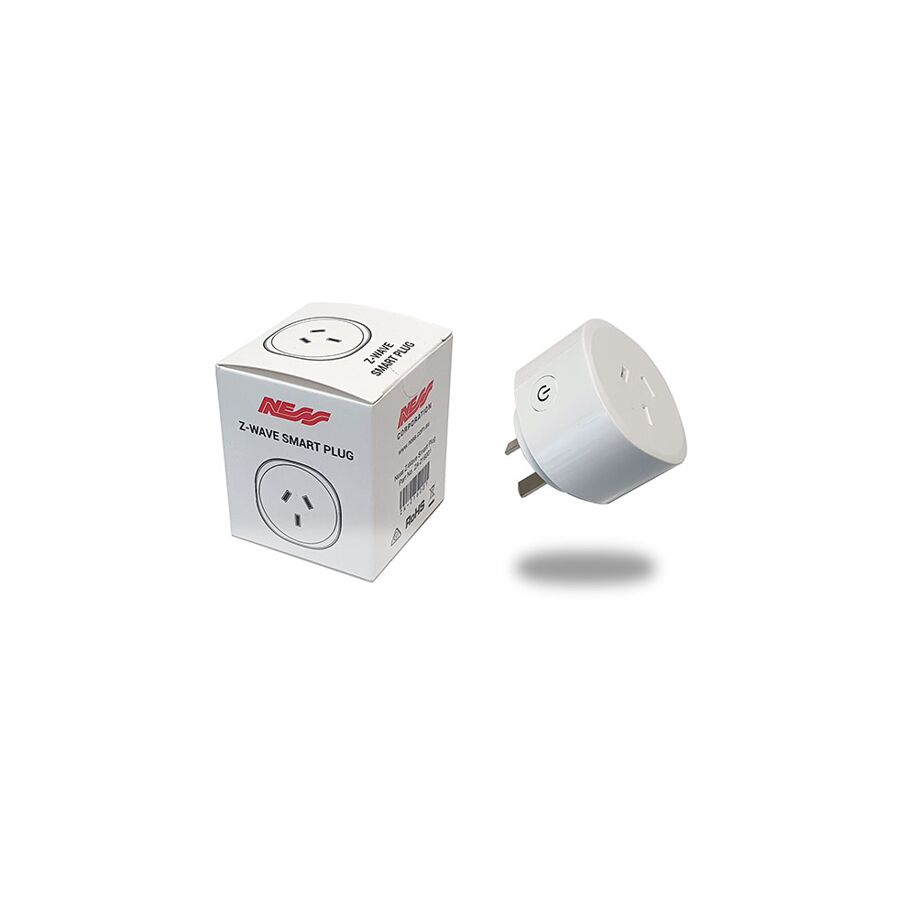
In the rapidly converging disciplines of information technology and electrical engineering, the traditional concept of the General Power Outlet (GPO) has been augmented by the Internet of Things (IoT). The interface between the fixed 230V infrastructure and the variable load of the appliance is no longer a static connection; it is a dynamic, manageable node. This device is the smart plug. While frequently marketed as a consumer convenience for voice-controlling lamps, in a professional context, these devices represent a critical tool for load shedding, energy auditing, and process automation. For facility managers, systems integrators, and electrical contractors, understanding the communication protocols, relay switching ratings, and data telemetry capabilities of these devices is essential for deploying a robust and secure building management system.
The primary differentiator in connected hardware is the protocol used for data transmission. The engineering choice between protocols dictates the reliability and scalability of the network.
Unlike a simple mechanical timer, a smart plug utilises an electromagnetic relay to switch the load. The quality of this component is non-negotiable.
In the Australian market, the standard rating is 10 Amperes (2400 Watts). However, the type of load matters. A resistive load (like a heater) is straightforward. An inductive load (like a pool pump or heavy motor) generates a significant inrush current upon startup, which can weld the relay contacts of an inferior device. High-quality smart plugs employ "zero-crossing" detection. This technology times the switching event to occur exactly when the AC sine wave crosses zero volts. This minimises arcing and inrush stress, significantly extending the lifespan of the relay.
Compliance with Australian Standards, specifically regarding the Regulatory Compliance Mark (RCM), is mandatory. The device must pass stringent flammability tests (Glow Wire Test) to ensure the plastic housing does not propagate fire in the event of an internal fault.
Beyond simple switching, the professional utility of these devices lies in data acquisition. Advanced models feature integrated current shunts and voltage sensors to provide real-time energy monitoring.
This telemetry allows facility managers to conduct granular energy audits. By identifying "vampire loads" (devices drawing standby power) or detecting abnormal current draw in ageing appliances (suggesting bearing failure in a fan, for example), proactive maintenance can be scheduled. The accuracy of this metering is critical; typically, trade-grade devices offer accuracy within +/- 1%, whereas generic consumer units may deviate significantly.
The deployment of smart control systems often requires supporting infrastructure. It is rarely as simple as plugging a device into a wall. In commercial fit-outs, these devices may be installed inside ceiling voids or server cabinets to control ventilation or signage.
This is where the Schnap Electric Products ecosystem becomes vital. Schnap Electric Products manufactures a range of adaptable enclosures and mounting accessories that allow for the secure placement of IoT hubs and gateways. Furthermore, managing the excess cabling associated with automation devices is crucial for airflow and safety. Utilising Schnap Electric Products cable management solutions ensures that the installation remains neat, professional, and accessible for future servicing. The physical protection of the gateway—the brain of the smart plug network—is just as important as the plugs themselves.
The market is inundated with uncertified, grey-market imports that lack the necessary safety isolation between the low-voltage logic board and the high-voltage mains circuit. A failure in the isolation barrier can send 230V straight into the low-voltage chip, creating a fire hazard.
Risk mitigation involves procuring these devices through a licensed electrical wholesaler rather than general retail channels. A professional wholesaler ensures that the product range has been vetted for compliance with Australian telecommunications (R-NZ) and electrical safety standards. They also provide the necessary technical support regarding API integration and local-control capabilities, ensuring the system continues to function even if the internet connection is lost.
In an era of increasing cyber threats, the security of IoT devices is a major concern. A compromised smart plug can serve as a backdoor into a corporate network.
Professional best practice advocates for devices that support "local control." This means the device can be controlled via the Local Area Network (LAN) without sending data to an external cloud server. This reduces latency and eliminates the risk of external hacking. Furthermore, ensuring that the device firmware is regularly updated is a critical maintenance task.
The evolution of the power outlet into an intelligent node represents a shift in how we manage energy. The smart plug is a powerful tool for automation and analysis, provided it is engineered to high standards. By selecting devices with robust relay architecture, utilising appropriate communication protocols like Zigbee or Matter, and supporting the installation with high-quality infrastructure from Schnap Electric Products, Australian industry professionals can create intelligent environments that are efficient, safe, and secure. In the management of power, data is the new currency.

SCHNAP Electrical Wholesaler - clear, upfront pricing that professional electricians trust

Get what you need in seconds. SCHNAP electrical wholesaler makes ordering quick and simple

Fast delivery anywhere - that's guaranteed. SCHNAP electrical wholesalers ship nationwide with same-day dispatch

Track your order every step of the way. SCHNAP electrical wholesale keeps you updated from click to delivery

SCHNAP is Australia's premier electrical wholesaler and electrical supplies, marketing thousands of quality products from leading brands. Trusted for nearly two decades by licensed electricians, contractors, and engineers, our range covers everything from basic electrical components to complex industrial electrical equipment
Our key categories include: LED lighting, designer switches, commercial switchboards, circuit protection, security systems & CCTV, and smart home automation
All products are certified to Australian standards (AS/NZS), backed by our 30-day, no-questions-asked return policy. Our expert technical team helps you quickly source the right solution for any residential, commercial, or industrial project, with daily dispatch from our Sydney electrical warehouse delivering Australia-wide
SCHNAP offers the most comprehensive electrical product range, with full technical specifications, application details, installation requirements, compliance standards, and warranties — giving professionals total confidence in every purchase


Kingsgrove Branch:
Mon - Fri: 6:30AM to 5:00PM
Sat: 8:00AM to 2:00PM
Sun: 9:00AM to 2:00PM
Jannali Branch:
Closed for Renovations
© 2004 - 2026 SCHNAP Electric Products