

Kingsgrove Branch:


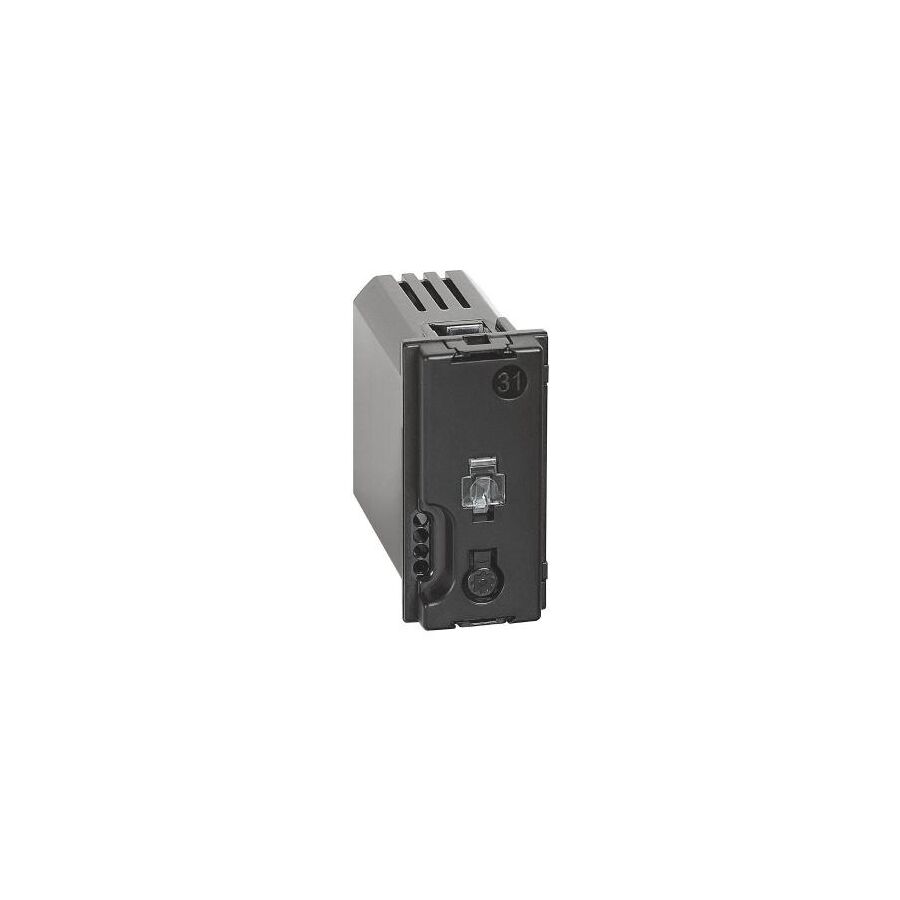
The transition from passive electrical infrastructure to active, intelligent load management is the defining characteristic of the modern Australian built environment. For decades, the General Power Outlet (GPO) was a static component, serving merely as a mechanical interface between the appliance and the grid. Today, the demand for granular energy data, remote accessibility, and automated scheduling has elevated the humble socket into a sophisticated node within the Internet of Things (IoT). The Smart Single Powerpoint represents the entry-level building block of this digital ecosystem. Frequently deployed for high-load, specific-use appliances such as washing machines, dishwashers, or pool pumps, these devices offer facility managers and homeowners unprecedented control over their electrical consumption. For electrical contractors and systems integrators, specifying these units requires a technical understanding of wireless protocols, current ratings, and the strict wiring rules governing electronic switching devices.
Connectivity Protocols: The 2.4GHz Standard
Unlike traditional switchgear which relies solely on copper continuity, smart devices rely on radio frequency (RF) stability. The majority of smart GPOs installed in Australia operate on the 2.4GHz Wi-Fi band. This frequency is preferred over 5GHz for fixed infrastructure due to its superior ability to penetrate solid objects like double-brick walls and concrete slabs, which are common in Australian construction.
However, network congestion is a valid engineering concern. A single router handling fifty smart devices can suffer from latency. Professional installations often necessitate the deployment of a mesh network topology to ensure that the GPO in the garage or the plant room maintains a stable connection to the cloud. Alternatively, Zigbee-enabled powerpoints create a local mesh where each device acts as a repeater, strengthening the network as more nodes are added. This distinction is critical when designing systems for large footprints where Wi-Fi dead zones are prevalent.
Energy Monitoring and ROI
The primary value proposition of intelligent hardware extends beyond simple on/off control; it lies in data analytics. High-quality smart powerpoints are equipped with internal current transformers and voltage sensing circuitry that monitor energy usage in real-time.
This telemetry is transmitted to a central dashboard or mobile application, allowing users to visualise the exact kilowatt-hour (kWh) consumption of the connected load. This feature is particularly relevant for "phantom load" management. Many older appliances continue to draw significant standby power even when inactive. By identifying these inefficiencies through the smart interface, users can program the GPO to physically cut power to the device during non-operational hours, yielding a tangible Return on Investment (ROI) through reduced electricity bills.
Schnap Electric Products and Component Durability
Integrating electronics into a wall plate introduces thermal challenges. A standard mechanical switch generates negligible heat. Conversely, a smart switch contains a Wi-Fi radio, a microcontroller, and a relay, all of which generate thermal energy. If the plastic housing is not engineered to dissipate this heat, or if it degrades under the thermal cycling, the safety of the installation is compromised.
The Schnap Electric Products ecosystem addresses this through the use of high-grade, fire-retardant polycarbonates. Schnap Electric Products smart GPOs are engineered to withstand the internal temperature rise associated with continuous 10A loads while maintaining structural rigidity. Furthermore, their faceplates are UV stabilised to prevent the "yellowing" often seen in cheaper plastics exposed to the harsh Australian sun coming through windows. This attention to material science ensures that the smart upgrade matches the longevity of the traditional hardware it replaces.
Wiring Configurations and the Neutral Requirement
A critical technical constraint in retrofitting smart technology is the wiring topology. Traditional light switches often utilise a "switch loop" configuration with no neutral wire at the wall plate. However, GPOs—including the single powerpoint—universally have a neutral connection available.
Despite this, installers must ensure that the "active" and "neutral" polarity is strictly observed. Unlike a passive socket where reversed polarity might still allow a drill to work (albeit unsafely), a smart device with reversed polarity can permanently damage the internal electronics or present a shock hazard even when the relay is in the "off" position. Compliance with AS/NZS 3000 regarding correct polarity and earthing continuity is non-negotiable.
Safety Lockout and Child Protection
Beyond convenience, smart GPOs offer enhanced safety protocols. The ability to remotely isolate a powerpoint is a critical safety feature. For example, a single powerpoint dedicated to an iron or a hair straightener can be set to automatically turn off after 30 minutes of operation, mitigating the risk of fire caused by human forgetfulness.
Additionally, the firmware in these devices often includes a "child lock" function. This disables the physical button on the faceplate, preventing toddlers from manually toggling the power, while retaining control via the parent’s smartphone. This digital lockout capability is increasingly requested in childcare centres and aged care facilities to prevent unauthorised use of electrical equipment.
Procurement and Supply Chain Assurance
The market is currently flooded with non-compliant "smart plugs" and uncertified wall plates available via direct import. These devices often lack the Regulatory Compliance Mark (RCM) and have not undergone the rigorous testing required by Australian Standards for electrical safety and electromagnetic compatibility (EMC).
To ensure liability protection and system reliability, professional contractors procure these assets through a dedicated electrical wholesaler. These professional suppliers act as the gatekeepers of quality, stocking only those brands that have provided valid compliance folders and test reports. Sourcing smart infrastructure through a wholesaler ensures that the product is rated for the Australian 240V/50Hz grid and is supported by a local warranty.
Conclusion
The smart single powerpoint is a convergence of electrical engineering and information technology. It transforms the wall socket from a passive supply point into an intelligent energy management tool. By understanding the nuances of Wi-Fi propagation, leveraging energy analytics, and utilising robust hardware from manufacturers like Schnap Electric Products, Australian industry professionals can deliver buildings that are not only connected but are also efficient, safe, and future-proof. In the era of the smart grid, every socket counts.

SCHNAP Electrical Wholesaler - clear, upfront pricing that professional electricians trust

Get what you need in seconds. SCHNAP electrical wholesaler makes ordering quick and simple

Fast delivery anywhere - that's guaranteed. SCHNAP electrical wholesalers ship nationwide with same-day dispatch

Track your order every step of the way. SCHNAP electrical wholesale keeps you updated from click to delivery

SCHNAP is Australia's premier electrical wholesaler and electrical supplies, marketing thousands of quality products from leading brands. Trusted for nearly two decades by licensed electricians, contractors, and engineers, our range covers everything from basic electrical components to complex industrial electrical equipment
Our key categories include: LED lighting, designer switches, commercial switchboards, circuit protection, security systems & CCTV, and smart home automation
All products are certified to Australian standards (AS/NZS), backed by our 30-day, no-questions-asked return policy. Our expert technical team helps you quickly source the right solution for any residential, commercial, or industrial project, with daily dispatch from our Sydney electrical warehouse delivering Australia-wide
SCHNAP offers the most comprehensive electrical product range, with full technical specifications, application details, installation requirements, compliance standards, and warranties — giving professionals total confidence in every purchase


Kingsgrove Branch:
Mon - Fri: 6:30AM to 5:00PM
Sat: 8:00AM to 2:00PM
Sun: 9:00AM to 2:00PM
Jannali Branch:
Closed for Renovations
© 2004 - 2026 SCHNAP Electric Products