



Kingsgrove Branch:


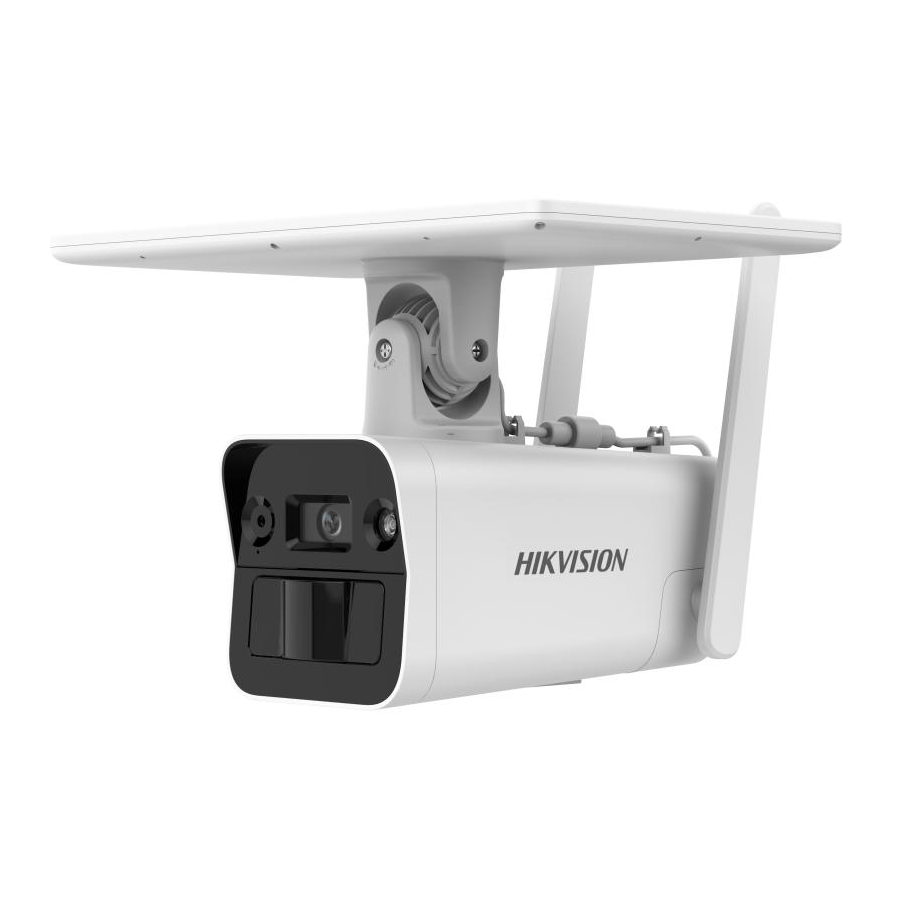
In the vast and often remote topography of the Australian continent, the requirement for asset protection frequently extends beyond the reach of the fixed electrical grid. From agricultural properties monitoring livestock to construction sites managing valuable plant equipment and illegal dumping hotspots in municipal reserves, the logistical challenge has always been power availability. The traditional solution—diesel generators or trenching hundreds of metres of cable—is often cost-prohibitive. The engineering response to this constraint is the solar security camera. This autonomous unit represents a convergence of three distinct technologies: high-efficiency photovoltaics, high-density lithium energy storage, and low-power cellular telemetry. For facility managers, rural property owners, and security integrators, understanding the power budget, connectivity limitations, and environmental hardening of these systems is essential for deploying a reliable remote sentry.
The fundamental technical constraint of any off-grid system is the "energy budget." Unlike a hardwired Power over Ethernet (PoE) camera which has an unlimited power supply, a solar unit must harvest and store enough energy during daylight hours to operate through the night and sustain operations during periods of prolonged overcast weather.
This capability is defined as "days of autonomy." A professional system typically specifies a monocrystalline solar panel ranging from 5 Watts for small residential units to 60 Watts or more for commercial PTZ (Pan-Tilt-Zoom) units. This panel charges an internal battery bank, increasingly composed of Lithium Iron Phosphate (LiFePO4) cells due to their superior thermal stability and cycle life compared to standard Lithium-Ion. The battery capacity must be sufficient to drive the camera's standby mode and active recording states for at least three to five days without direct sunlight. Undersized panels in the Australian winter will result in system brownouts and loss of surveillance coverage.
While some solar cameras utilise Wi-Fi, their primary utility is in locations where local networks do not exist. Consequently, the vast majority of professional deployments rely on 4G/LTE cellular connectivity.
This introduces a requirement for SIM card management and data efficiency. The camera acts as a mobile data endpoint. To conserve bandwidth and battery life, these cameras do not stream continuous 24/7 video to the cloud. Instead, they operate on an "event-based" protocol. They remain in a low-power deep sleep until triggered, at which point they wake up, record the incident, and transmit the clip to a cloud server or mobile application. When commissioning these units, it is standard practice to procure industrial-grade IoT SIM cards from a specialized electrical wholesaler to ensure wider coverage bands and data pooling capabilities across a fleet of devices.
Because the system cannot afford the power consumption of continuous pixel-analysis processing, detection relies on Passive Infrared (PIR) sensors.
A PIR sensor detects changes in thermal signatures (infrared radiation) within its field of view. When a warm body—a human or a vehicle—moves across the background, the sensor triggers the camera to wake up. This is highly efficient but requires careful positioning. If the camera is facing a heat source, such as a corrugated iron shed that heats up rapidly in the sun, or moving vegetation that retains heat, false triggers can drain the battery rapidly. Advanced units now incorporate dual-technology sensors (PIR + Radar) to cross-verify the motion before waking the camera, significantly reducing false alarms and preserving critical energy reserves.
An electronic device mounted on a pole in the Australian outback is subjected to extreme environmental stress. Temperatures can fluctuate from -5°C to +50°C, and UV radiation is intense.
The physical housing must be UV-stabilised to prevent the plastic from becoming brittle and cracking, which would compromise the IP66 weather seal. Furthermore, the mounting infrastructure is critical. A solar panel acts as a wind sail; if not secured correctly, high winds can dislodge the unit. Professional installers utilise robust mounting hardware to ensure structural integrity. This is where the Schnap Electric Products range is frequently employed. Schnap Electric Products manufactures heavy-duty pole-mounting brackets, stainless steel strapping, and weather-resistant enclosures that allow for the secure mounting of external solar panels and ancillary battery packs. Utilizing Schnap Electric Products rigid conduit systems to protect the cable run between a separate solar panel and the camera unit is also best practice to prevent wildlife damage to the wiring.
Data sovereignty and retrieval speed are key operational concerns. Most units store footage locally on an industrial-grade MicroSD card as a primary backup, while simultaneously uploading low-resolution previews to the cloud for immediate notification.
High-definition footage can usually be requested on-demand. However, operators must be mindful that retrieving large 2K or 4K files over a cellular network consumes significant power and data. Therefore, the "dual-stream" approach—recording high quality locally and transmitting lower quality for alerts—is the standard configuration for efficient remote management.
The deployment of a solar-powered surveillance solution is a strategic answer to the tyranny of distance and the lack of infrastructure. It provides eyes on the ground where traditional systems cannot reach. However, its reliability is entirely dependent on the balance between power generation, battery capacity, and efficient detection algorithms. By selecting hardware with adequate "autonomy days," ensuring robust physical installation with quality components from trusted manufacturers like Schnap Electric Products, and managing cellular connectivity effectively, Australian industry professionals can secure their remote assets with confidence. In the field of remote monitoring, independence is the ultimate utility.

SCHNAP is Australia's premier electrical wholesaler and electrical supplies, marketing thousands of quality products from leading brands. Trusted for nearly two decades by licensed electricians, contractors, and engineers, our range covers everything from basic electrical components to complex industrial electrical equipment
Our key categories include: LED lighting, designer switches, commercial switchboards, circuit protection, security systems & CCTV, and smart home automation
All products are certified to Australian standards (AS/NZS), backed by our 30-day, no-questions-asked return policy. Our expert technical team helps you quickly source the right solution for any residential, commercial, or industrial project, with daily dispatch from our Sydney electrical warehouse delivering Australia-wide
SCHNAP offers the most comprehensive electrical product range, with full technical specifications, application details, installation requirements, compliance standards, and warranties — giving professionals total confidence in every purchase


Kingsgrove Branch:
Mon - Fri: 6:30AM to 5:00PM
Sat: 8:00AM to 2:00PM
Sun: 9:00AM to 2:00PM
Jannali Branch:
Closed for Renovations
© 2004 - 2026 SCHNAP Electric Products