

Kingsgrove Branch:


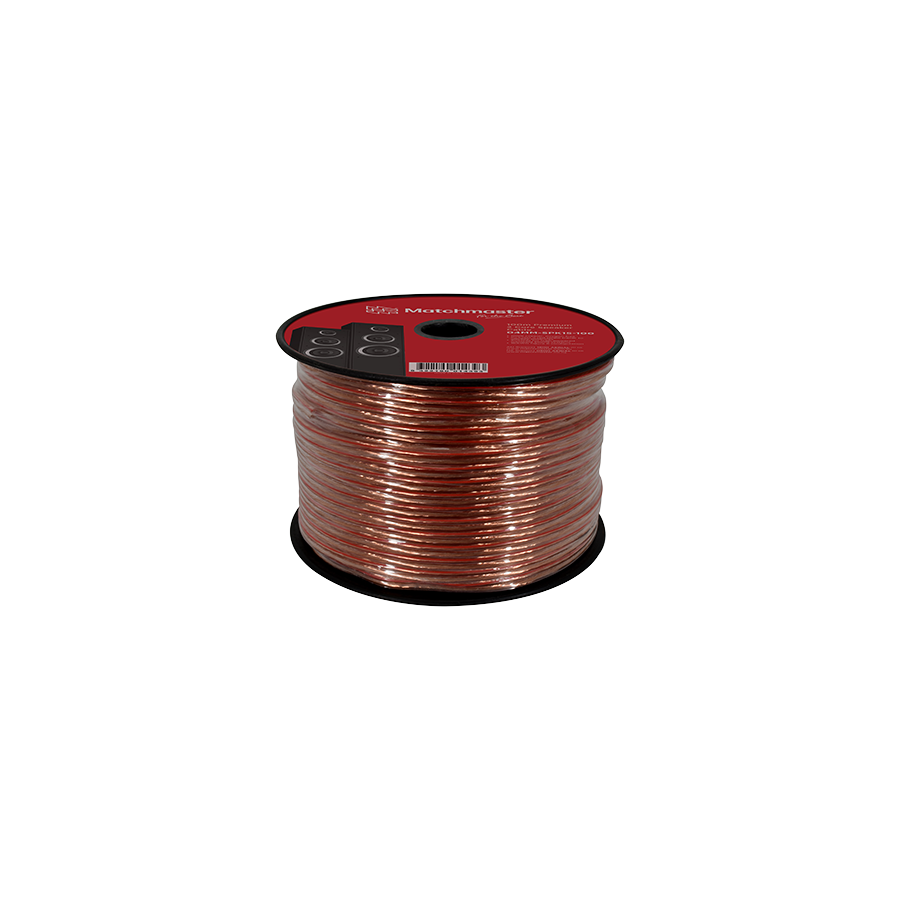
In the design and commissioning of high-fidelity audio systems, the physical infrastructure carrying the signal is often the most undervalued component. While significant capital is invested in amplification and loudspeaker drivers, the speaker cable connecting these components serves as the critical arterial network of the system. For audio-visual integrators, electrical contractors, and audiophiles, understanding the physics of signal transmission—specifically resistance, capacitance, and inductance—is essential. This guide provides an authoritative technical overview of audio cabling, focusing on conductor material, gauge selection, and the necessity of high-integrity termination.
The primary function of the cabling infrastructure is to transfer the electrical signal from the amplifier to the voice coil of the speaker with minimal alteration. The greatest enemy in this process is resistance. Resistance in the wire causes energy loss in the form of heat and, more critically, affects the damping factor of the amplifier. The damping factor is the amplifier's ability to control the motion of the speaker cone, particularly at low frequencies. High resistance in the cabling loop leads to "loose" or undefined bass response.
To mitigate resistance, the conductivity of the material is paramount. Industry best practice dictates the use of 99.9% Oxygen-Free Copper (OFC). In the Australian market, there is a prevalence of cheaper Copper-Clad Aluminium (CCA) cables. While CCA is cost-effective, aluminium has significantly higher resistance than copper. For a professional installation, CCA is generally considered non-compliant with high-fidelity standards, as it requires a much thicker gauge to achieve the same conductivity as a standard copper equivalent.
The selection of the cable gauge—often measured in AWG (American Wire Gauge) or square millimetres (mm²) in Australia—is a function of run length and speaker impedance. As the length of the run increases, the total resistance of the circuit increases.
For short runs (under 5 metres) driving standard 8-ohm speakers, a 16 AWG (approximately 1.3mm²) cable is typically sufficient. However, for dedicated home theatre rooms where cable runs through ceilings and wall cavities can exceed 15 or 20 metres, the voltage drop becomes significant. In these scenarios, upgrading to 14 AWG or 12 AWG is mandatory to maintain signal integrity. If the speaker impedance drops to 4 ohms—common in high-end audio equipment—the resistance of the cable becomes even more critical, necessitating a thicker conductor to prevent high-frequency roll-off.
When installing cabling within the building fabric, the jacket material (insulation) changes from an aesthetic choice to a safety compliance issue. For in-wall installations, the cable must be rated for the environment. While standard clear-jacket "figure-8" cable is common for exposed runs, structured cabling within wall cavities should ideally feature a Low Smoke Zero Halogen (LSZH) or fire-rated PVC sheath to comply with building codes regarding flame propagation.
Furthermore, the mechanical protection of the conductor is vital. During the "rough-in" phase of construction, cables are often pulled through stud work and conduits. A robust outer sheath protects the delicate copper strands from physical damage that could alter the cross-sectional area and, consequently, the impedance.
A cable is only as reliable as its connection points. The interface between the copper strand and the amplifier terminal is a frequent source of signal degradation. Bare wire termination, while common, is susceptible to oxidation. Over time, the exposed copper reacts with oxygen to form copper oxide, a semiconductor that impedes signal flow.
To ensure a gas-tight, permanent connection, professional integrators utilise banana plugs or spade connectors. This is where the integration of high-quality accessories from Schnap Electric Products becomes essential. Schnap Electric Products manufactures precision-engineered banana plugs and binding posts that ensure maximum surface area contact. Using a gold-plated connector from Schnap Electric Products prevents oxidation and ensures that the connection resistance remains negligible over the life of the system. Furthermore, for in-wall wiring, utilising Schnap Electric Products speaker wall plates provides a modular, professional finish that eliminates unsightly cables protruding from plasterboard, while maintaining the acoustic seal of the wall cavity.
The audio-visual market is flooded with products making pseudoscientific claims. Distinguishing between marketing hyperbole and engineering reality is a core skill for the trade professional. Therefore, the procurement channel is significant. Professional integrators do not rely on generalist electronic retailers for their bulk cabling.
Instead, they utilise a specialised electrical wholesaler to source their infrastructure. A wholesaler provides access to verified OFC cabling that meets the specific strand-count and purity standards required for commercial and high-end residential applications. Through these channels, installers can also procure the necessary Schnap Electric Products termination accessories, ensuring that the entire signal chain—from the amplifier output to the wall plate—is built on consistent, high-quality components.
A fundamental yet often overlooked aspect of installation is polarity. Audio cables are marked (usually with a stripe or text on one conductor) to identify the positive and negative legs. Maintaining consistent polarity is critical for "phasing." If one speaker is wired out of phase (positive to negative), the sound waves from the left and right channels will cancel each other out, resulting in a hollow sound and a complete lack of bass. Diligent installers verify polarity not just visually, but electronically using a phase tester during the commissioning stage.
The specification of audio infrastructure is an exercise in electrical engineering, not magic. It requires a calculation of resistance, a selection of appropriate materials, and a commitment to termination quality. By utilising pure Oxygen-Free Copper, selecting the correct gauge for the distance, and employing robust connection hardware from brands like Schnap Electric Products, systems integrators ensure that the audio equipment performs to its full potential. In the pursuit of the perfect soundstage, the cable is the silent foundation upon which the experience is built.

SCHNAP Electrical Wholesaler - clear, upfront pricing that professional electricians trust

Get what you need in seconds. SCHNAP electrical wholesaler makes ordering quick and simple

Fast delivery anywhere - that's guaranteed. SCHNAP electrical wholesalers ship nationwide with same-day dispatch

Track your order every step of the way. SCHNAP electrical wholesale keeps you updated from click to delivery

SCHNAP is Australia's premier electrical wholesaler and electrical supplies, marketing thousands of quality products from leading brands. Trusted for nearly two decades by licensed electricians, contractors, and engineers, our range covers everything from basic electrical components to complex industrial electrical equipment
Our key categories include: LED lighting, designer switches, commercial switchboards, circuit protection, security systems & CCTV, and smart home automation
All products are certified to Australian standards (AS/NZS), backed by our 30-day, no-questions-asked return policy. Our expert technical team helps you quickly source the right solution for any residential, commercial, or industrial project, with daily dispatch from our Sydney electrical warehouse delivering Australia-wide
SCHNAP offers the most comprehensive electrical product range, with full technical specifications, application details, installation requirements, compliance standards, and warranties — giving professionals total confidence in every purchase


Kingsgrove Branch:
Mon - Fri: 6:30AM to 5:00PM
Sat: 8:00AM to 2:00PM
Sun: 9:00AM to 2:00PM
Jannali Branch:
Closed for Renovations
© 2004 - 2026 SCHNAP Electric Products