



Kingsgrove Branch:


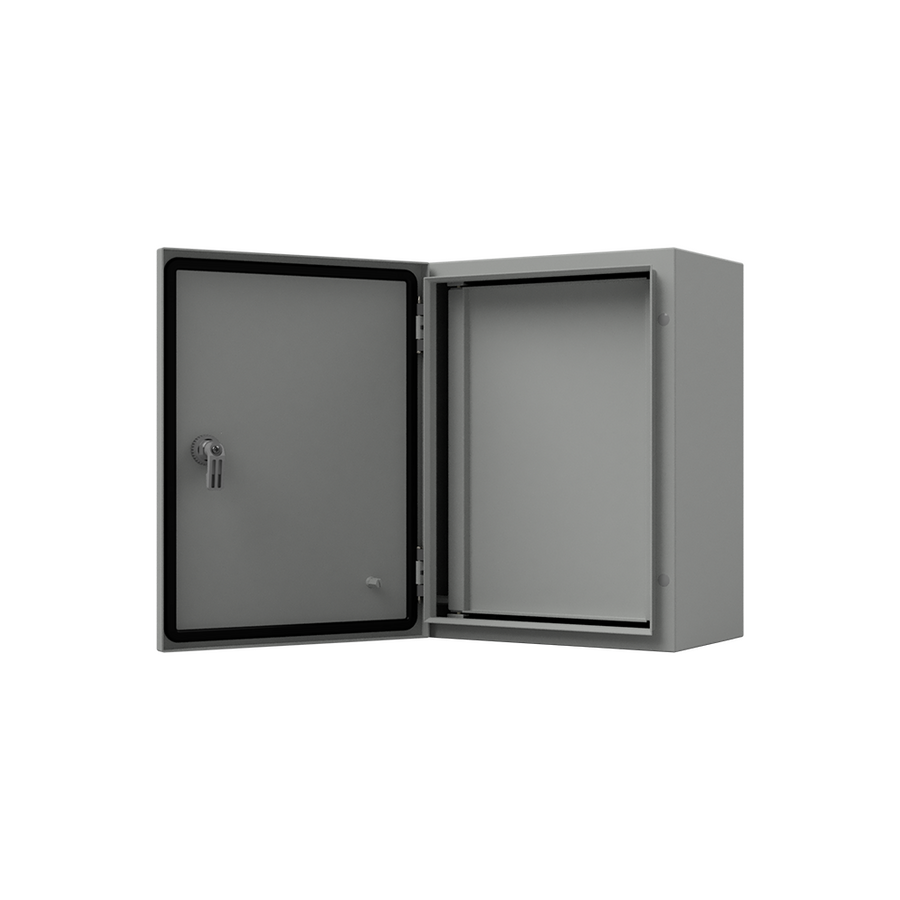
Across Australia’s industrial landscape, electrical infrastructure is exposed to some of the most aggressive environmental conditions found anywhere in the world. Coastal salt spray, high ultraviolet radiation, chemical wash-down cycles, airborne dust, and extreme temperature variation all place relentless stress on enclosures designed to protect sensitive electrical and automation equipment. In these environments, standard painted mild steel cabinets represent a known point of failure. Once the coating is damaged, corrosion progresses rapidly, compromising both structural integrity and ingress protection. The engineered response to these challenges is the stainless steel enclosure, a purpose-built protective system designed to preserve electrical reliability where conventional materials cannot survive.
A stainless steel enclosure is not simply a corrosion-resistant box. It is a precision-fabricated asset that combines advanced metallurgy, hygienic geometry, mechanical strength, and sealing technology. When correctly specified and installed, it forms a long-term defensive barrier that safeguards switchgear, control panels, instrumentation, and communications equipment for decades, even in Australia’s harshest industrial settings.
The performance of a stainless steel enclosure begins at the molecular level. Stainless steel derives its corrosion resistance from chromium, which forms a passive oxide layer on the surface of the metal. However, not all stainless steels perform equally in aggressive environments. Grade 304 stainless steel, while suitable for indoor or low-corrosion areas, lacks the resistance required for outdoor or coastal installations common across Australia.
Grade 316 stainless steel, often referred to as marine grade, contains additional molybdenum, typically between 2 and 3 percent. This element significantly improves resistance to chloride attack, which is the primary cause of pitting and surface staining in salty or humid conditions. In coastal processing plants, water treatment facilities, marinas, and food production sites, Grade 316 is the minimum acceptable specification. Without it, enclosures are prone to surface degradation that can progress beneath seals and fasteners, ultimately breaching the enclosure.
Professional stainless steel enclosures are also passivated after fabrication. This controlled chemical treatment removes free iron contamination introduced during cutting and welding and enhances the formation of the chromium oxide layer. Passivation allows the steel to self-heal minor surface damage, preserving corrosion resistance even after scratches or impact.
In food, beverage, pharmaceutical, and dairy processing facilities, corrosion resistance alone is insufficient. Enclosures must also support hygienic operation and compliance with food safety systems such as HACCP. Poorly designed cabinets with flat surfaces, sharp corners, or exposed fasteners allow moisture and organic residue to accumulate, creating ideal conditions for bacterial growth.
High-performance stainless steel enclosures intended for hygienic environments feature sloped roofs that prevent water pooling during washdown. Door seals are designed to be removable and washable, often manufactured from food-grade silicone materials that are easily inspected. Surface finishes are carefully controlled, typically using a brushed or polished finish with low surface roughness to reduce adhesion of contaminants. These design elements ensure that cleaning processes are effective and repeatable, reducing the risk of contamination and audit non-compliance.
The primary function of any enclosure is to isolate electrical equipment from the external environment. Stainless steel enclosures commonly achieve ingress protection ratings of IP66 or higher, meaning they are fully dust-tight and protected against powerful water jets. Achieving this rating requires more than thick metal walls. Door rigidity, gasket compression, and latch alignment all play critical roles.
A well-engineered stainless steel enclosure uses continuous perimeter gaskets and multi-point locking systems to maintain uniform sealing pressure. This prevents distortion over time and ensures that repeated door openings do not degrade the seal. In Australia’s climate, where thermal expansion and contraction are significant, this mechanical stability is essential to long-term IP performance.
While stainless steel excels at corrosion resistance, it presents challenges in thermal management. Compared to aluminium, stainless steel has lower thermal conductivity, meaning internally generated heat can be retained within the enclosure. In applications containing variable speed drives, power supplies, or network equipment, unmanaged heat buildup can significantly reduce component lifespan.
Thermal design must therefore be considered at the enclosure selection stage. Engineers calculate internal heat loads and integrate appropriate cooling solutions such as filtered fan units, heat exchangers, or sun shields. Any penetration introduced for cooling must maintain the enclosure’s ingress rating. This is where integration with the Schnap Electric Products ecosystem becomes critical. Matching IP-rated filter fans, ventilation accessories, and sealing components ensures that cooling enhancements do not compromise environmental protection.
Unlike non-conductive enclosures, stainless steel cabinets require meticulous earthing. In the event of an internal fault, the enclosure itself can become energised if not properly bonded, presenting a severe safety risk. Australian wiring standards mandate continuous earthing across all conductive parts, including doors, gland plates, and mounting panels.
Professional installations bond doors using flexible braided earth straps and establish a central earthing point within the enclosure. DIN rails, mounting plates, and accessory components are mechanically and electrically bonded to ensure fault currents are directed safely to earth. This design ensures protective devices operate correctly and rapidly during fault conditions, protecting both personnel and equipment.
Stainless steel enclosures offer superior mechanical strength compared to plastic or composite alternatives. This strength is essential in public, remote, or high-risk environments such as water pumping stations, rail infrastructure, and mining sites. Cabinets may be subject to accidental impact, vandalism, or exposure to heavy equipment.
High-quality stainless steel enclosures use reinforced door frames, concealed hinges, and heavy-duty locking systems to maintain structural integrity under stress. Impact resistance ratings such as IK10 are common for enclosures in exposed locations. These features ensure that the enclosure remains sealed and functional even after physical abuse, preserving operational continuity.
The global market includes many products labelled as stainless steel that do not meet industrial expectations. Some use lower-grade ferritic alloys or insufficient material thickness, leading to premature corrosion or poor sealing performance. Without proper documentation, these enclosures represent a significant long-term risk.
Professional buyers source stainless steel enclosures through specialised electrical wholesaler who provide material certification and dimensional accuracy. Verified Grade 316 enclosures are supplied with consistent wall thickness, precision welding, and compatible accessory systems. Supporting components such as cable glands, blanking plugs, and mounting hardware are selected to maintain the enclosure’s ingress rating and corrosion resistance throughout its service life.
The stainless steel enclosure is the protective armour of modern industrial electrical systems. It bridges the gap between sensitive electronic equipment and Australia’s demanding environmental conditions. By selecting the correct alloy, implementing hygienic and sealed design principles, and integrating compatible infrastructure from manufacturers such as Schnap Electric Products, industry professionals can deliver installations that remain secure, compliant, and reliable for decades. In industrial engineering, durability is not an option. It is the foundation of asset protection and operational confidence.

SCHNAP is Australia's premier electrical wholesaler and electrical supplies, marketing thousands of quality products from leading brands. Trusted for nearly two decades by licensed electricians, contractors, and engineers, our range covers everything from basic electrical components to complex industrial electrical equipment
Our key categories include: LED lighting, designer switches, commercial switchboards, circuit protection, security systems & CCTV, and smart home automation
All products are certified to Australian standards (AS/NZS), backed by our 30-day, no-questions-asked return policy. Our expert technical team helps you quickly source the right solution for any residential, commercial, or industrial project, with daily dispatch from our Sydney electrical warehouse delivering Australia-wide
SCHNAP offers the most comprehensive electrical product range, with full technical specifications, application details, installation requirements, compliance standards, and warranties — giving professionals total confidence in every purchase


Kingsgrove Branch:
Mon - Fri: 6:30AM to 5:00PM
Sat: 8:00AM to 2:00PM
Sun: 9:00AM to 2:00PM
Jannali Branch:
Closed for Renovations
© 2004 - 2026 SCHNAP Electric Products