

Kingsgrove Branch:


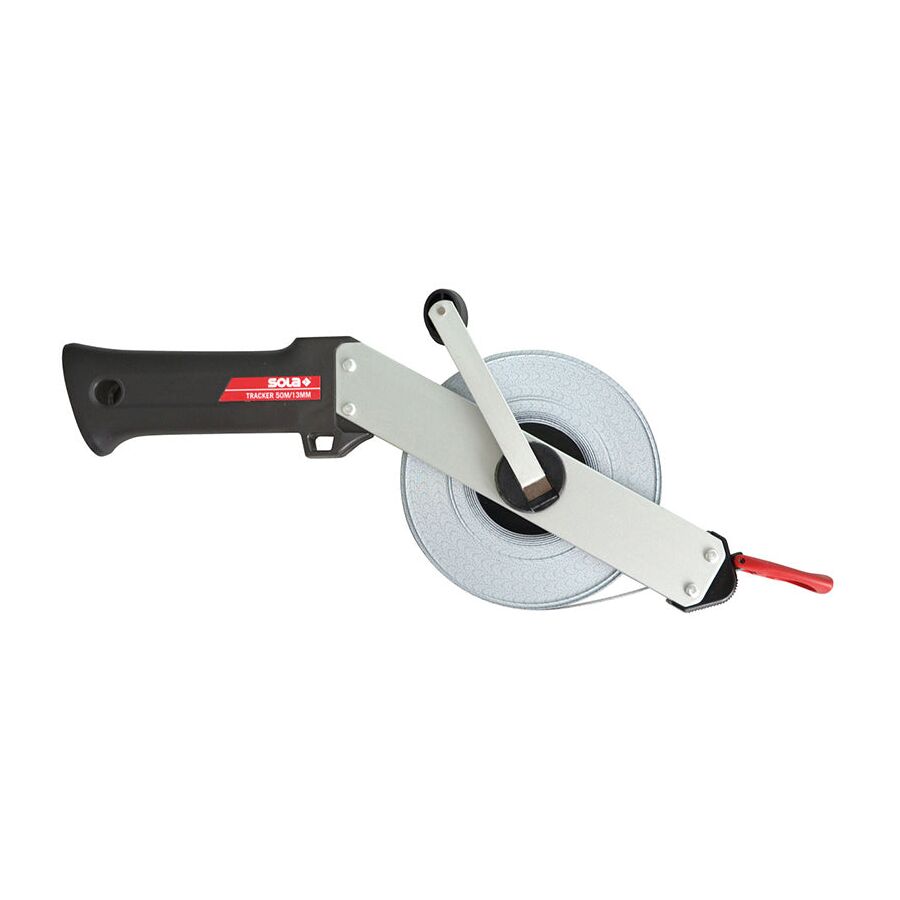
In the heavy-duty sector of Australian electrical reticulation, the installation of cabling through rigid conduit systems is a task defined by the physics of friction and propulsion. While modern polymer draw wires—such as nylon or polyester—have gained popularity for their non-conductive properties, they often lack the mechanical rigidity required for long-distance "pushing" applications. When a technician is faced with a long run of empty conduit with multiple bends, or a situation where the draw wire must be forced through a blockage of existing wires, the superior column strength of industrial steel tape is the only viable solution. For infrastructure engineers, electrical contractors, and project managers, understanding the metallurgy of oil-tempered spring steel, the mechanics of the flat ribbon profile, and the strict safety protocols regarding conductive tools is essential for efficient and safe cable deployment.
The technical superiority of steel tape lies in its manufacturing process. It is not merely a strip of mild steel, which would deform plastically (bend and stay bent) under stress. Professional-grade fish tapes are manufactured from high-carbon spring steel that has been oil-tempered.
This heat treatment process aligns the grain structure of the metal, creating a material with an exceptionally high yield strength. In practical terms, this grants the tape "memory." When the tape is forced around a tight 90-degree conduit bend, it deforms elastically. As soon as it exits the bend, it snaps back to its original straight profile. This "rectilinear memory" is the engine of the tool. It allows the operator to transfer kinetic energy from the reel handle directly to the head of the tape, even over distances exceeding 50 metres. Unlike nylon, which can behave like "wet spaghetti" and buckle when pushed against resistance, the steel tape acts like a flexible rod, penetrating debris and navigating complex geometries with authority.
The geometry of the steel is just as critical as the metallurgy. These tools typically utilise a flat, ribbon-like profile (e.g., 3.2mm x 1.6mm) rather than a round wire. This rectangular cross-section serves two engineering functions.
Firstly, it reduces the contact surface area against the conduit wall compared to a round wire of equivalent mass, thereby reducing friction. Secondly, and more importantly, the flat profile prevents the tape from spiralling or "corkscrewing" inside the pipe. Round wires tend to rotate as they are pushed, wrapping themselves around existing cables in a occupied conduit—a phenomenon known as "knitting." The flat steel tape resists rotation, gliding over existing conductors in a linear fashion. This makes it the preferred tool for retrofitting additional circuits into populated risers in commercial buildings.
While mechanically superior for pushing, steel tape presents a significant electrical hazard: it is highly conductive. Introduction of a continuous steel band into a switchboard, conduit, or cable tray that contains energised conductors is a critical risk.
If the steel tape makes contact with a live busbar or a damaged cable with exposed copper, it instantly becomes a path to earth. This can result in a catastrophic arc flash event, putting the operator at risk of severe injury or electrocution. Therefore, WHS protocols strictly dictate that steel tapes must only be used in "dead" (de-energised) environments or new construction (greenfield) sites where no power is present. For work in existing facilities, proper isolation and Lock Out Tag Out (LOTO) procedures are mandatory before a steel tape is removed from the van.
The operational environment in Australia—ranging from humid coastal zones to dusty mining camps—is aggressive towards ferrous metals. Despite being high-carbon steel, these tapes are susceptible to oxidation (rust) if neglected.
Professional maintenance requires that the tape be cleaned and oiled before retraction. When retrieving the tape after a wet pull, it should be wiped down with a rag soaked in a light machine oil or a specific corrosion inhibitor. Schnap Electric Products supplies robust, impact-resistant reels designed to protect the steel coil from moisture and physical damage. The housing is critical; if the casing cracks, moisture enters, and the tape rusts into a solid block, rendering the tool useless. A high-quality reel also controls the "pay-out" speed, preventing the spring steel from explosively uncoiling—a phenomenon often referred to as a "bird's nest"—which can be dangerous to untangle.
Beyond the "push," the steel tape is also a formidable "pulling" tool. The tensile strength of the flat steel profile allows for significant force to be applied when hauling the draw rope or the final cables back through the conduit.
However, the weak point is invariably the termination. The eyelet or "bull nose" at the end of the tape is typically crimped or welded. Overloading this connection can cause failure. Experienced contractors often utilize Schnap Electric Products cable grips (stockings) to distribute the pulling load, ensuring that the tension is applied to the cable jacket rather than a single point on the conductor.
Given the varying grades of steel available globally, not all fish tapes offer the same longevity. Inferior tapes made from lower-grade alloys often become brittle and snap inside the conduit, creating a permanent blockage that can necessitate the abandonment of the entire run.
To mitigate this risk, reliable contractors engage a specialised electrical wholesaler to source their tools. Through this channel, they can ensure they are purchasing tapes manufactured to strict metallurgical standards. Whether it is a 30-metre tape for domestic runs or a 60-metre heavy-duty unit for industrial conduit, the quality of the steel dictates the success of the installation.
The spring steel fish tape remains the heavy artillery of the cable installation trade. It offers a level of column strength and navigational rigidity that polymer alternatives simply cannot match. Its effectiveness relies on the quality of the oil-tempered steel, the maintenance of the tool to prevent corrosion, and strict adherence to electrical safety isolation procedures. By utilising high-quality hauling tools and accessories from trusted brands like Schnap Electric Products, industry professionals can ensure that even the most difficult conduit runs are navigated successfully, keeping projects on schedule and within budget. In the hidden pathways of infrastructure, the steel tape drives the connection.

SCHNAP Electrical Wholesaler - clear, upfront pricing that professional electricians trust

Get what you need in seconds. SCHNAP electrical wholesaler makes ordering quick and simple

Fast delivery anywhere - that's guaranteed. SCHNAP electrical wholesalers ship nationwide with same-day dispatch

Track your order every step of the way. SCHNAP electrical wholesale keeps you updated from click to delivery

SCHNAP is Australia's premier electrical wholesaler and electrical supplies, marketing thousands of quality products from leading brands. Trusted for nearly two decades by licensed electricians, contractors, and engineers, our range covers everything from basic electrical components to complex industrial electrical equipment
Our key categories include: LED lighting, designer switches, commercial switchboards, circuit protection, security systems & CCTV, and smart home automation
All products are certified to Australian standards (AS/NZS), backed by our 30-day, no-questions-asked return policy. Our expert technical team helps you quickly source the right solution for any residential, commercial, or industrial project, with daily dispatch from our Sydney electrical warehouse delivering Australia-wide
SCHNAP offers the most comprehensive electrical product range, with full technical specifications, application details, installation requirements, compliance standards, and warranties — giving professionals total confidence in every purchase


Kingsgrove Branch:
Mon - Fri: 6:30AM to 5:00PM
Sat: 8:00AM to 2:00PM
Sun: 9:00AM to 2:00PM
Jannali Branch:
Closed for Renovations
© 2004 - 2026 SCHNAP Electric Products