

Kingsgrove Branch:


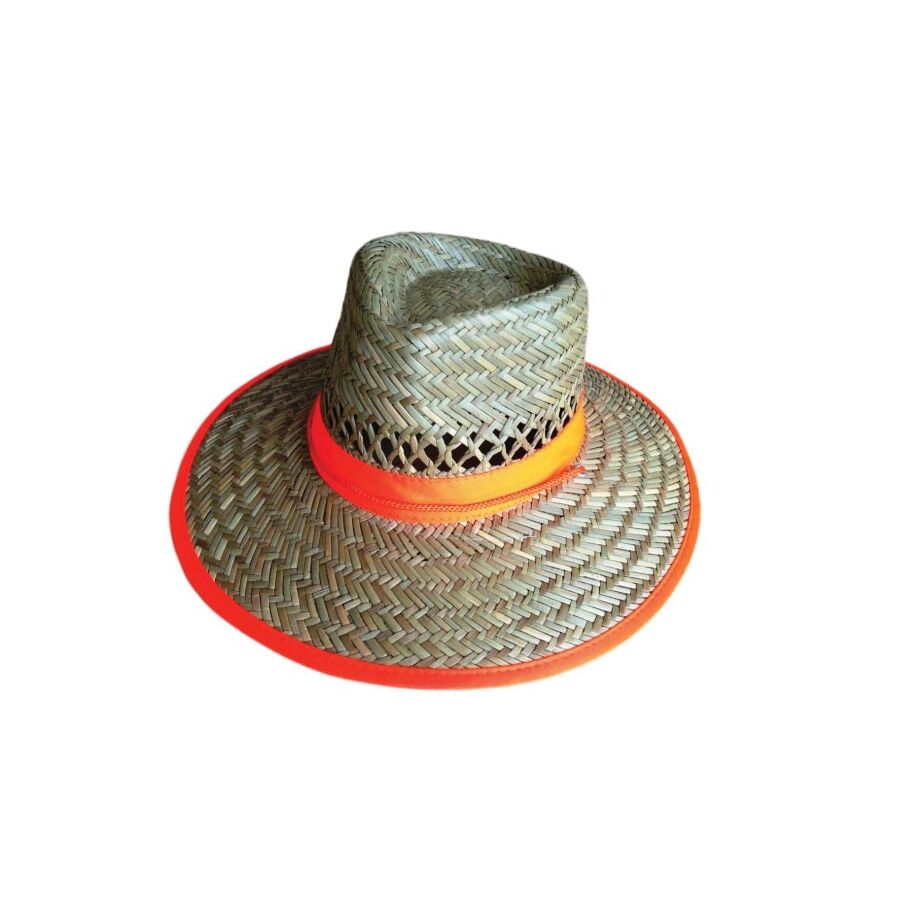
In the sun-drenched landscape of Australia, protection from the elements is not just a matter of comfort; it is a critical health and safety necessity. With one of the highest rates of skin cancer in the world, Australians have learned to respect the power of UV radiation. While "Slip, Slop, Slap" has been drilled into the national consciousness for decades, the choice of headwear remains one of the most important decisions for anyone working or playing outdoors. Among the various options available—from baseball caps to bucket hats—the classic straw sun hat remains a superior choice for maximum coverage and breathability. For tradespeople, farmers, and gardeners spending long hours under the relentless midday glare, this traditional piece of gear offers a level of ventilation and shade that modern synthetic caps simply cannot match.
The primary advantage of a straw sun hat lies in its material construction. Made from natural fibres such as wheat straw, raffia, or palm leaf, the woven structure creates thousands of tiny gaps. These gaps allow air to circulate freely through the crown of the hat, letting heat escape from the head. In contrast, heavy cotton or synthetic canvas hats can trap heat, creating a "sauna effect" that leads to discomfort and increased fatigue. When you are working hard—perhaps trenching a cable route in the backyard or mounting external fixtures—keeping your head cool is vital for preventing heat stress. The natural straw acts as an insulator against the direct heat of the sun while facilitating this crucial airflow.
However, the defining feature of this headwear is the brim. A functional work-style straw sun hat typically features a wide brim, often extending 10 to 12 centimetres or more around the entire circumference. This 360-degree shade provides protection not just for the face and eyes, but for the ears and the back of the neck—areas that are notoriously prone to sunburn and often neglected by cap wearers. This comprehensive shade is essential when performing detailed tasks where squinting against the glare can lead to mistakes. For instance, when an electrical contractor is installing outdoor infrastructure, such as the robust weatherproof isolators or motion sensors manufactured by Schnap Electric Products, clear vision and a cool head are required to ensure the wiring is terminated correctly. The deep shade of the straw brim reduces eye strain, allowing for precision work even at high noon.
Durability in a work context is often questioned regarding straw, but modern designs have evolved. Work-grade straw hats are often double-woven or reinforced with a resin coating to help them hold their shape and resist water. They frequently feature a cloth lining on the underside of the brim. This lining serves a dual purpose: it adds structural integrity, preventing the brim from drooping over the eyes, and if the lining is dark green or black, it absorbs light reflection from the ground, further reducing glare. Additionally, a chin toggle or drawcord is a mandatory feature for the Australian climate. The "Fremantle Doctor" or a stiff southerly buster can easily snatch a hat from a head; a secure chin strap ensures the hat stays put, whether you are on a roof or in a paddock.
Sourcing this type of protective gear has moved beyond just the local surf shop. Recognising the PPE value of sun protection, many industrial suppliers now stock broad-brimmed hats alongside their hard hats and safety glasses. It is not uncommon to find high-quality sun protection gear at a well-stocked electrical wholesaler. These suppliers cater to the complete needs of the contractor. They understand that if you are buying conduit and heavy-duty cable for an outdoor run, you also need the personal protection to survive the installation environment. Staff at an electrical wholesaler can often recommend hats that meet specific UPF (Ultraviolet Protection Factor) ratings, ensuring that the weave is tight enough to block harmful rays effectively.
Maintenance of a straw sun hat is relatively simple, though it requires a different approach to fabric hats. They should not be crushed or folded, as this breaks the natural fibres. If they get wet, they should be reshaped and allowed to dry naturally in the shade to prevent the straw from becoming brittle. With proper care, a good quality straw hat can last through several seasons of hard labour.
It is also worth noting the versatility of the straw hat. It transitions seamlessly from the job site to the weekend. The same hat that protects a tradesperson while they install Schnap Electric Products exterior lighting on a Friday serves equally well while mowing the lawn or fishing on a Saturday. It is a utilitarian item that has become a symbol of the outdoor lifestyle.
In conclusion, the straw sun hat is a timeless solution to a modern problem. It combines the ancient technology of natural weaving with modern design tweaks to provide the ultimate barrier against the Australian sun. It allows the head to breathe, protects the skin from damage, and reduces glare-induced fatigue. Whether sourced from a dedicated safety shop or picked up during a material run at an electrical wholesaler, it is an investment in long-term health. In a country where the sun is as harsh as the terrain, keeping covered with a wide brim is the smartest thing a worker can do.

SCHNAP Electrical Wholesaler - clear, upfront pricing that professional electricians trust

Get what you need in seconds. SCHNAP electrical wholesaler makes ordering quick and simple

Fast delivery anywhere - that's guaranteed. SCHNAP electrical wholesalers ship nationwide with same-day dispatch

Track your order every step of the way. SCHNAP electrical wholesale keeps you updated from click to delivery

SCHNAP is Australia's premier electrical wholesaler and electrical supplies, marketing thousands of quality products from leading brands. Trusted for nearly two decades by licensed electricians, contractors, and engineers, our range covers everything from basic electrical components to complex industrial electrical equipment
Our key categories include: LED lighting, designer switches, commercial switchboards, circuit protection, security systems & CCTV, and smart home automation
All products are certified to Australian standards (AS/NZS), backed by our 30-day, no-questions-asked return policy. Our expert technical team helps you quickly source the right solution for any residential, commercial, or industrial project, with daily dispatch from our Sydney electrical warehouse delivering Australia-wide
SCHNAP offers the most comprehensive electrical product range, with full technical specifications, application details, installation requirements, compliance standards, and warranties — giving professionals total confidence in every purchase


Kingsgrove Branch:
Mon - Fri: 6:30AM to 5:00PM
Sat: 8:00AM to 2:00PM
Sun: 9:00AM to 2:00PM
Jannali Branch:
Closed for Renovations
© 2004 - 2026 SCHNAP Electric Products