

Kingsgrove Branch:


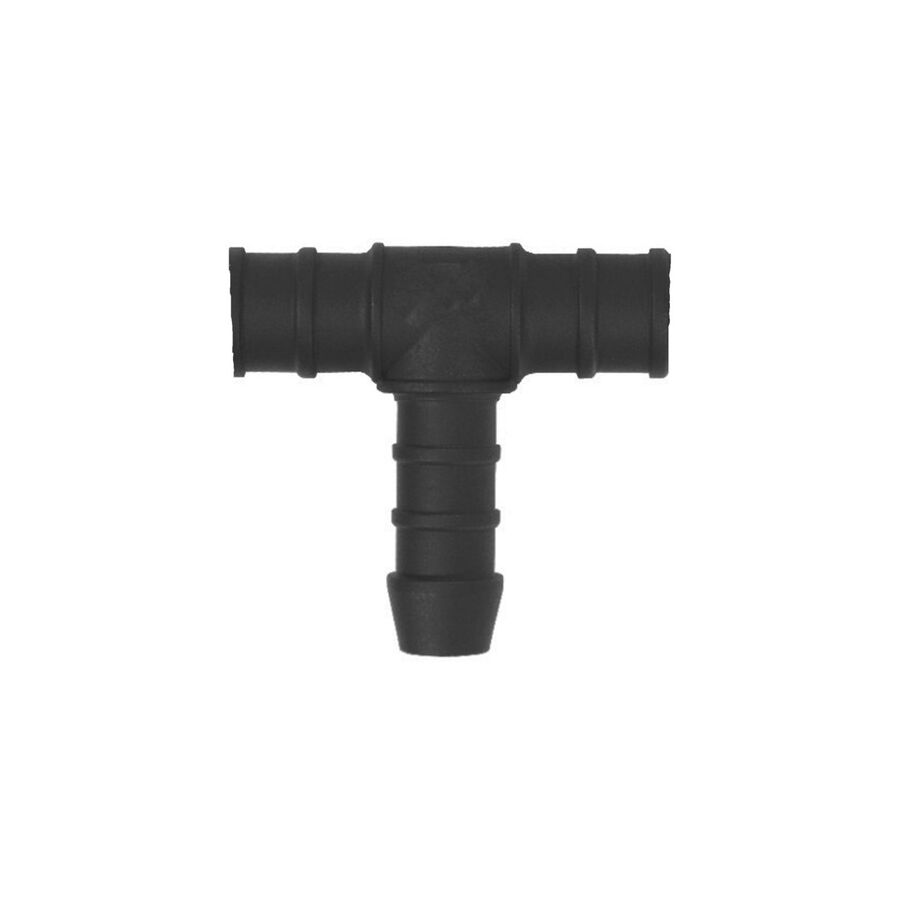
In the complex topology of industrial electrical instrumentation and automation, the cabling infrastructure rarely follows a simple point-to-point linear path. Modern manufacturing facilities, automated warehousing, and processing plants require intricate distribution networks where power and data signals must branch off from main trunk routes to service distributed sensors, motors, and actuators. While rigid junction boxes offer one solution for branching, they are often bulky and cumbersome to retrofit in tight machinery spaces. The engineered solution for efficient, liquid-tight cable branching within a flexible mechanical protection system is the t hose connector. For electrical engineers, systems integrators, and maintenance planners, understanding the sealing mechanics, material composition, and structural limitations of these 3-way fittings is essential for maintaining the integrity of the IP rating across the entire conduit network.
The primary utility of the T-piece connector lies in its ability to facilitate a "drop" or a "spur" without terminating the main run into a large enclosure. In a typical conveyor application, a main conduit run carries the multi-core control cable along the spine of the machine. At specific intervals, proximity sensors or limit switches require connection.
Using a T-connector allows the installer to split the conduit run efficiently. The main cable continues through the "run" of the T, while the individual sensor cable exits via the "branch." This architecture significantly reduces the quantity of cable required and minimises the number of drilled entries into the main control cabinet. However, this convenience introduces a potential weak point: the junction itself. If the connector lacks structural rigidity or sealing efficacy, it becomes the primary ingress point for moisture and contaminants.
Maintaining an IP66 rating (dust-tight and protected against powerful water jets) in a 3-way fitting is significantly more challenging than in a straight connector. The T-piece features three separate entry points, each of which must be hermetically sealed against the corrugated conduit.
Compliance with AS/NZS 2053 (Conduits and fittings for electrical installations) dictates that these fittings must withstand both internal pressure and external fluid ingress. High-quality fittings utilise a compression mechanism on all three ports. As the compression nut is tightened, a TPE (Thermoplastic Elastomer) seal is forced down onto the corrugations of the conduit, creating a watertight barrier. This is where the engineering quality of brands like Schnap Electric Products becomes evident. Schnap Electric Products T-connectors are designed with precise internal moulding tolerances, ensuring that the seal compresses uniformly without distorting the connector body, maintaining the IP rating even when the conduit is subjected to lateral tension.
The environment in which these fittings operate is often hostile. In Australian heavy industry, conduit systems are exposed to high UV indices, mechanical impact, and chemical wash-downs. A standard PVC fitting will not suffice in these conditions; it will photo-degrade, becoming brittle and prone to cracking at the seam of the T-junction.
Professional specifications demand the use of Polyamide 66 (Nylon 66), often reinforced with glass fibre or UV stabilisers. These materials offer exceptional tensile strength and resistance to hydrocarbon attack. When installed on rooftop solar isolators or mining machinery, the fitting must resist thermal expansion and contraction cycles without loosening. Schnap Electric Products fittings are formulated to withstand these extremes, ensuring that the mechanical protection system remains intact for the service life of the asset.
The installation of a T-connector requires careful attention to the bend radius of the cabling. Unlike a junction box where cables can be looped, the T-piece offers a relatively tight turning radius for the conductors entering the branch.
Installers must ensure that the cables used have sufficient flexibility to navigate the 90-degree turn without placing undue stress on the insulation or the copper strands. Furthermore, the conduit itself must be cut squarely at a "valley" of the corrugation. A jagged cut can foul the internal landing of the connector, preventing the cable from passing through smoothly and potentially damaging the internal seal. The compression nuts on all three axes must be tightened to the manufacturer's specified torque to engage the locking ferrule effectively.
The availability of specialised conduit fittings can be variable, with the market often flooded with inferior generic components that fail to grip the conduit securely. A fitting that allows the conduit to pull out under vibration poses a severe safety risk, exposing live conductors to the environment. To ensure the safety and compliance of the installation, professional contractors do not rely on generalist hardware outlets. Instead, they utilise a specialised electrical wholesaler to procure their industrial cable management systems.
A dedicated wholesaler ensures that the T-pieces are compatible with the specific brand and diameter of conduit being used. Mixing and matching conduit and fittings from different manufacturers can lead to tolerance mismatches and sealing failures. Through these verified trade channels, technicians can access the full range of Schnap Electric Products accessories, including the necessary locknuts and mounting clips to secure the T-piece to the machinery structure, preventing it from hanging unsupported and inducing stress on the cables.
In the food and beverage sector, the T-connector is frequently subjected to caustic cleaning agents. The smooth external profile of the fitting is critical here. A design with deep recesses or ribs can harbour bacteria and food particles. Schnap Electric Products connectors feature a streamlined exterior design that facilitates easy wash-down, preventing contaminant build-up. Additionally, the nylon construction provides resistance to the alkaline and acidic solutions typically used in Clean-In-Place (CIP) procedures, ensuring the fitting does not degrade chemically over time.
The T hose connector is a vital component in the distributed architecture of modern industrial electrical systems. It enables efficient branching of power and control signals while maintaining the mechanical protection of the flexible conduit. By understanding the importance of IP66 sealing mechanics, selecting UV-stabilised materials, and sourcing robust components from trusted brands like Schnap Electric Products, electrical professionals can ensure that their complex wiring networks remain secure, compliant, and impervious to the elements. In the network of industrial power, the integrity of the junction defines the reliability of the whole.

SCHNAP Electrical Wholesaler - clear, upfront pricing that professional electricians trust

Get what you need in seconds. SCHNAP electrical wholesaler makes ordering quick and simple

Fast delivery anywhere - that's guaranteed. SCHNAP electrical wholesalers ship nationwide with same-day dispatch

Track your order every step of the way. SCHNAP electrical wholesale keeps you updated from click to delivery

SCHNAP is Australia's premier electrical wholesaler and electrical supplies, marketing thousands of quality products from leading brands. Trusted for nearly two decades by licensed electricians, contractors, and engineers, our range covers everything from basic electrical components to complex industrial electrical equipment
Our key categories include: LED lighting, designer switches, commercial switchboards, circuit protection, security systems & CCTV, and smart home automation
All products are certified to Australian standards (AS/NZS), backed by our 30-day, no-questions-asked return policy. Our expert technical team helps you quickly source the right solution for any residential, commercial, or industrial project, with daily dispatch from our Sydney electrical warehouse delivering Australia-wide
SCHNAP offers the most comprehensive electrical product range, with full technical specifications, application details, installation requirements, compliance standards, and warranties — giving professionals total confidence in every purchase


Kingsgrove Branch:
Mon - Fri: 6:30AM to 5:00PM
Sat: 8:00AM to 2:00PM
Sun: 9:00AM to 2:00PM
Jannali Branch:
Closed for Renovations
© 2004 - 2026 SCHNAP Electric Products