

Kingsgrove Branch:


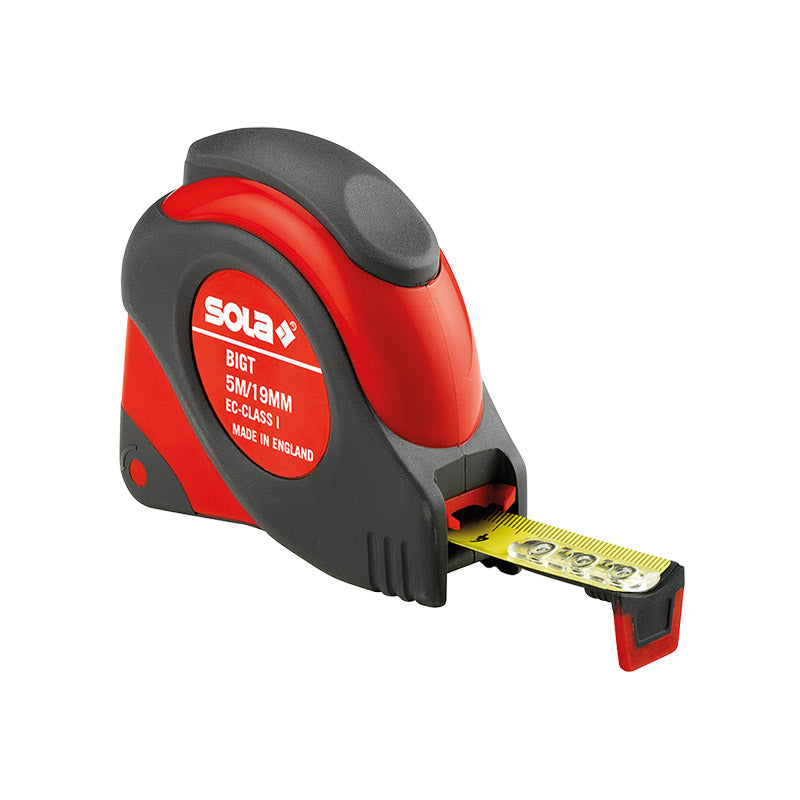
In the precision-driven environment of Australian construction and electrical engineering, the adage "measure twice, cut once" is more than a proverb; it is a fundamental operational protocol that mitigates material wastage and ensures structural compliance. While often dismissed as a basic utility item found in every household drawer, the professional industrial tape measure is a sophisticated piece of metrology equipment. For trade professionals, site supervisors, and project managers, understanding the mechanical tolerance, the metallurgy of the blade, and the specific safety requirements for working near energised circuits is essential. The selection of this tool impacts the accuracy of every conduit run, cable tray installation, and switchboard positioning on the project.
The core component of the instrument is the blade, typically manufactured from high-grade carbon steel. The overarching performance metric for a professional user is "standoff" or "reach." This refers to the distance the blade can be extended horizontally before gravity overcomes the structural integrity of the concave cross-section, causing it to buckle.
To achieve a standoff exceeding three metres—a standard requirement for measuring ceiling drops in commercial fit-outs—manufacturers manipulate the curvature of the blade and the temper of the steel. However, steel is susceptible to corrosion and abrasion. On a busy worksite, grit and debris can strip the markings off a standard blade within weeks. High-end units employ a nylon or polyester coating that is baked onto the painted steel. This extrusion process protects the graduations from wear and significantly reduces friction, allowing for a smoother return action.
A common misconception among non-professionals involves the loose movement of the metal hook, or "tang," at the end of the tape. This movement is not a manufacturing defect; it is a precision-engineered feature designed to ensure "True Zero" calibration.
The range of movement is exactly equal to the thickness of the metal hook itself.
Without this floating mechanism, every internal measurement would be inaccurate by the thickness of the hook (typically 1.0mm to 1.2mm). Professional tapes also feature a three-rivet fastening system to secure the tang to the blade, preventing the metal fatigue that often leads to breakage after repeated retraction shocks.
In Australia, measuring instruments are governed by National Measurement Institute standards, often aligning with European EC accuracy classes. Most professional tapes are rated as Class II. This standard dictates the allowable tolerance over the length of the tape. For a Class II tape, the maximum permissible error is roughly ±2.3mm over a 10-metre length.
For general construction and electrical rough-ins, Class II is sufficient. However, for precision joinery or critical infrastructure alignment, maintaining this accuracy is vital. Users should be aware that temperature affects accuracy. Steel expands and contracts with heat. A tape calibrated at 20°C will show slight variance when used on a rooftop in the Pilbara at 45°C. While usually negligible for cable runs, it is a factor in high-precision engineering.
For the electrical trade, the material composition of the tape is a safety critical decision. A standard steel tape is a conductive path. Extending a steel blade into a crowded riser or near live busbars presents a significant arc flash or electrocution risk.
For these environments, the specification of a non-conductive fibreglass tape is mandatory. While fibreglass lacks the standoff rigidity of steel, it provides necessary insulation. Furthermore, modern tapes designed for the electrical sector often feature rare-earth magnetic tips. This allows the user to attach the zero point directly to steel unistrut, conduit, or metal stud work, facilitating one-person operation. When sourcing tools from a reputable electrical wholesaler, professionals often look for these specific "electrician-friendly" features that integrate seamlessly with the materials they handle daily.
The longevity of the tool is determined by the case construction. It must withstand repeated drops from ladder height onto concrete. Acrylonitrile Butadiene Styrene (ABS) is the standard material for the housing due to its high impact resistance.
Premium models, such as those often stocked alongside Schnap Electric Products ranges, feature a co-moulded rubber over-mould. This "armour" not only absorbs impact energy but also provides grip in wet or oily conditions. The internal spring mechanism, usually made from heat-treated spring steel, is the engine of the device. Ingress of sand or plaster dust is the primary cause of spring failure. Therefore, professional tapes often feature a "wiper" at the blade exit point to clean the blade as it retracts, protecting the internal coil.
The linear measuring tool is the starting point of quality workmanship. Its accuracy dictates the fidelity of the final installation. Whether determining the cut length for a run of Schnap Electric Products heavy-duty conduit or laying out the grid for a lighting array, the reliability of the measurement is paramount. By understanding the importance of True Zero calibration, selecting the appropriate blade coating for the environment, and utilizing non-conductive options where necessary, industry professionals ensure that their work meets the exacting standards of the Australian construction industry. In the science of building, precision is not a luxury; it is a requirement.

SCHNAP Electrical Wholesaler - clear, upfront pricing that professional electricians trust

Get what you need in seconds. SCHNAP electrical wholesaler makes ordering quick and simple

Fast delivery anywhere - that's guaranteed. SCHNAP electrical wholesalers ship nationwide with same-day dispatch

Track your order every step of the way. SCHNAP electrical wholesale keeps you updated from click to delivery

SCHNAP is Australia's premier electrical wholesaler and electrical supplies, marketing thousands of quality products from leading brands. Trusted for nearly two decades by licensed electricians, contractors, and engineers, our range covers everything from basic electrical components to complex industrial electrical equipment
Our key categories include: LED lighting, designer switches, commercial switchboards, circuit protection, security systems & CCTV, and smart home automation
All products are certified to Australian standards (AS/NZS), backed by our 30-day, no-questions-asked return policy. Our expert technical team helps you quickly source the right solution for any residential, commercial, or industrial project, with daily dispatch from our Sydney electrical warehouse delivering Australia-wide
SCHNAP offers the most comprehensive electrical product range, with full technical specifications, application details, installation requirements, compliance standards, and warranties — giving professionals total confidence in every purchase


Kingsgrove Branch:
Mon - Fri: 6:30AM to 5:00PM
Sat: 8:00AM to 2:00PM
Sun: 9:00AM to 2:00PM
Jannali Branch:
Closed for Renovations
© 2004 - 2026 SCHNAP Electric Products