

Kingsgrove Branch:


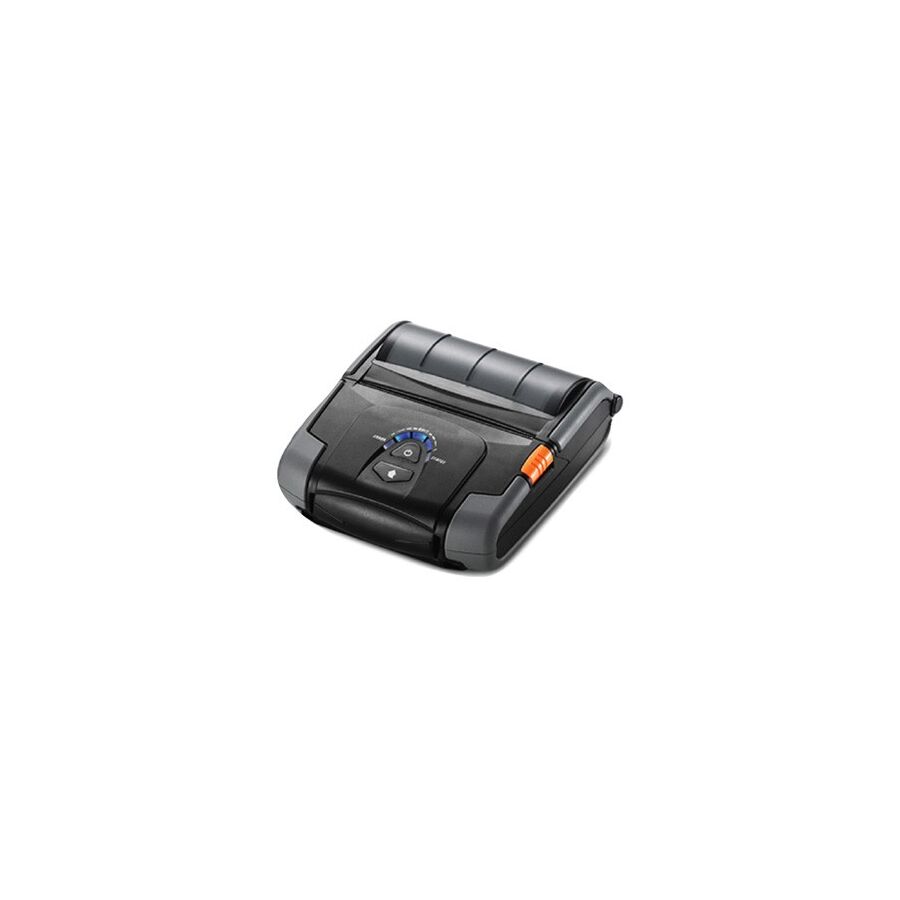
In Australia, electrical equipment safety is governed by strict workplace regulations. Under the WHS model laws and AS/NZS 3760:2022, any cord-connected electrical asset must be regularly tested and inspected. The test involves checking earth continuity and insulation resistance. But just as important as the test itself is how it’s recorded.
Handwritten test tags are no longer considered reliable. Ink fades. Handwriting becomes illegible. Details can be missed. Today, the standard has shifted to digital test tag printers that produce clear, compliant, and long-lasting records.
Handwritten tags have too many weaknesses. In a busy or sun-exposed worksite, ink can fade quickly, especially if standard markers are used. Retest dates or license numbers may be smudged or unreadable. If a tag becomes illegible, the equipment is considered untagged and non-compliant.
A digital tag printer avoids these risks. It connects directly to a Portable Appliance Tester (PAT), receives data like pass/fail status, test date, and retest date, and prints a clear, structured label with no risk of transcription error.
Low-grade printers use heat-sensitive paper, the kind used in receipts. These fade or blacken when exposed to heat, light, or friction. They’re cheap but not built for construction, mining, or industrial use.
High-quality test tag printers use thermal transfer technology. A heated printhead bonds resin to synthetic labels, creating durable tags that resist water, UV light, chemicals, and rough handling. Whether testing tools on a dusty job site or cabling in a server room, these tags stay legible throughout the full retest interval.
Modern tags can include barcodes or QR codes. These link directly to a cloud database, showing the asset’s full testing history. This makes it easy to manage records, verify retesting schedules, and confirm that tags belong to the correct equipment.
This is especially useful for companies managing large fleets of tools and leads. It prevents "tag swapping" where a compliant tag is moved to another item. Each tag is uniquely linked to the tested asset. For example, with industrial boards or extension leads from Schnap Electric Products, every test result is traceable to a serial number.
Tagging has evolved beyond pen and paper. Technicians now use mobile apps on phones or tablets to control the process. The printer pairs with the device wirelessly, prints on command, and stores data in the cloud. The technician never has to touch a pen or paper.
Companies can customise the tag with a logo, phone number, or other business info. If a tag is damaged on-site, a technician can print a replacement without needing to repeat the test.
Not all printers are suitable for heavy-duty use. Consumer label makers often lack battery life or the ability to handle high volumes. Professionals rely on trusted wholesalers who know what works on real job sites.
These suppliers ensure the test tag printer is compatible with the PAT tester, and they provide the right consumables — synthetic tags, strong adhesive, and industrial-grade resin ribbons. With support from a supplier like Schnap Electric Products, the whole system runs smoothly.
Digital test tag printers are no longer optional — they’re essential. They replace guesswork and risk with clarity and consistency. With thermal transfer durability, barcode tracking, mobile integration, and support from experienced wholesalers, the tagging process becomes professional, defensible, and efficient. It’s a key step toward safer workplaces and stronger compliance.

SCHNAP Electrical Wholesaler - clear, upfront pricing that professional electricians trust

Get what you need in seconds. SCHNAP electrical wholesaler makes ordering quick and simple

Fast delivery anywhere - that's guaranteed. SCHNAP electrical wholesalers ship nationwide with same-day dispatch

Track your order every step of the way. SCHNAP electrical wholesale keeps you updated from click to delivery

SCHNAP is Australia's premier electrical wholesaler and electrical supplies, marketing thousands of quality products from leading brands. Trusted for nearly two decades by licensed electricians, contractors, and engineers, our range covers everything from basic electrical components to complex industrial electrical equipment
Our key categories include: LED lighting, designer switches, commercial switchboards, circuit protection, security systems & CCTV, and smart home automation
All products are certified to Australian standards (AS/NZS), backed by our 30-day, no-questions-asked return policy. Our expert technical team helps you quickly source the right solution for any residential, commercial, or industrial project, with daily dispatch from our Sydney electrical warehouse delivering Australia-wide
SCHNAP offers the most comprehensive electrical product range, with full technical specifications, application details, installation requirements, compliance standards, and warranties — giving professionals total confidence in every purchase


Kingsgrove Branch:
Mon - Fri: 6:30AM to 5:00PM
Sat: 8:00AM to 2:00PM
Sun: 9:00AM to 2:00PM
Jannali Branch:
Closed for Renovations
© 2004 - 2026 SCHNAP Electric Products