

Kingsgrove Branch:


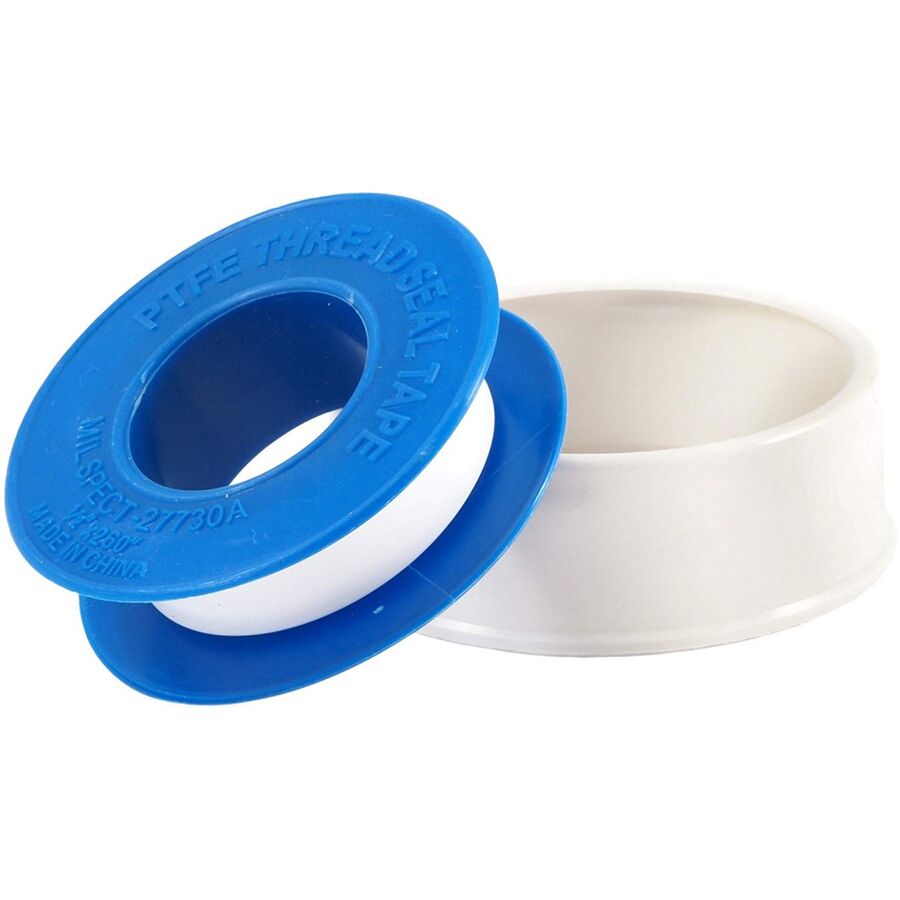
In the mechanical and electrical engineering disciplines across Australia, the integrity of a threaded joint is a fundamental determinant of system reliability. Whether the medium being contained is high-pressure natural gas, potable water, or merely the static air within an electrical conduit, the seal must be absolute. While liquid thread sealants have their place, the industry standard for versatility and immediate performance is Polytetrafluoroethylene (PTFE) tape, commonly referred to as thread tape. For hydraulic technicians, instrumentation fitters, and electrical contractors, understanding the density metrics, chemical inertness, and correct application protocols of PTFE is essential for ensuring compliance with Australian Standards and preventing the insidious failure modes associated with moisture ingress.
Technically, the efficacy of this tape stems from the unique molecular structure of PTFE. It is a fluorocarbon solid, possessing an extremely high molecular weight and consisting wholly of carbon and fluorine. This chemistry grants the material two critical properties for industrial use: chemical inertness and an exceptionally low coefficient of friction.
When applied to a tapered thread (such as BSPT or NPT), the tape serves a dual function. Firstly, it acts as a lubricant. By reducing the friction between the male and female threads, it allows the fitting to be screwed deeper into the socket, achieving a mechanically tighter fit. Secondly, it acts as a deformable filler. Under the compressive force of the tightened joint, the tape flows into the microscopic imperfections and root-crest clearances of the thread profile, creating a hermetic seal. Unlike curing compounds, PTFE remains chemically stable and does not degrade, harden, or become brittle over time, making it ideal for systems that may require future disassembly.
In the Australian market, not all PTFE tapes are created equal. The primary differentiator is density, measured in grams per cubic centimetre (g/cm³), and thickness. To aid in identification, the industry adheres to a standard colour-coding system that dictates the suitability of the tape for specific media.
When procuring consumables, specifically from a Schnap Electric Products stockist, it is vital to select the grade that matches the pressure and media requirements of the installation.
While traditionally viewed as a plumbing consumable, PTFE tape is indispensable in the electrical sector, particularly for maintaining Ingress Protection (IP) ratings in rigid metal conduit systems. In heavy industrial environments—such as mines or grain terminals—threaded entries into junction boxes are potential entry points for moisture.
Even with a tapered thread, water can track through the spiral path of the thread via capillary action. Wrapping the male thread of a rigid conduit or a cable gland adaptor with high-quality PTFE tape creates a waterproof barrier. This simple engineering control prevents condensation and rainwater from entering the enclosure and corroding sensitive switchgear. Furthermore, in corrosive environments, the tape acts as an isolation barrier between dissimilar metals (e.g., a brass gland entering a mild steel enclosure), reducing the risk of galvanic corrosion which can seize the thread and compromise earth continuity.
The failure of a taped joint is rarely due to the material itself, but rather incorrect application technique. The fundamental rule of application is "with the thread." For a standard right-hand thread, the tape must be wound in a clockwise direction when looking at the end of the pipe.
If wound anti-crosswise, the tape will unwind and bunch up as the fitting is screwed in, rendering the seal useless. Professional practice dictates:
Schnap Electric Products tapes are engineered with sufficient tensile strength to withstand this stretching process without snapping, ensuring a tight, moulded fit to the thread profile.
The market is saturated with low-grade, low-density tapes that shred upon application. These inferior products provide a false sense of security and often lead to leaks during commissioning. Reliability is ensured by sourcing consumables through a dedicated supply chain.
Experienced project managers will typically engage a reputable electrical wholesaler to supply their site consumables. Through this channel, they can access technical tapes that meet the specific density requirements for industrial use. Whether it is sealing a pneumatic control line in a manufacturing plant or weatherproofing a rigid conduit entry on a solar farm, the quality of the PTFE tape is a critical factor in the longevity of the installation.
The roll of PTFE tape is a precision tool in the arsenal of the trade professional. It provides the lubrication necessary for a tight mechanical joint and the sealing properties required for hydraulic and pneumatic integrity. By understanding the distinction between gas-rated and standard tapes, utilising high-density options from trusted brands like Schnap Electric Products, and adhering to strict application protocols, industry professionals can ensure that their systems remain leak-free and compliant with the rigorous standards of Australian industry. in the microscopic world of thread profiles, the tape fills the gap between failure and success.

SCHNAP Electrical Wholesaler - clear, upfront pricing that professional electricians trust

Get what you need in seconds. SCHNAP electrical wholesaler makes ordering quick and simple

Fast delivery anywhere - that's guaranteed. SCHNAP electrical wholesalers ship nationwide with same-day dispatch

Track your order every step of the way. SCHNAP electrical wholesale keeps you updated from click to delivery

SCHNAP is Australia's premier electrical wholesaler and electrical supplies, marketing thousands of quality products from leading brands. Trusted for nearly two decades by licensed electricians, contractors, and engineers, our range covers everything from basic electrical components to complex industrial electrical equipment
Our key categories include: LED lighting, designer switches, commercial switchboards, circuit protection, security systems & CCTV, and smart home automation
All products are certified to Australian standards (AS/NZS), backed by our 30-day, no-questions-asked return policy. Our expert technical team helps you quickly source the right solution for any residential, commercial, or industrial project, with daily dispatch from our Sydney electrical warehouse delivering Australia-wide
SCHNAP offers the most comprehensive electrical product range, with full technical specifications, application details, installation requirements, compliance standards, and warranties — giving professionals total confidence in every purchase


Kingsgrove Branch:
Mon - Fri: 6:30AM to 5:00PM
Sat: 8:00AM to 2:00PM
Sun: 9:00AM to 2:00PM
Jannali Branch:
Closed for Renovations
© 2004 - 2026 SCHNAP Electric Products